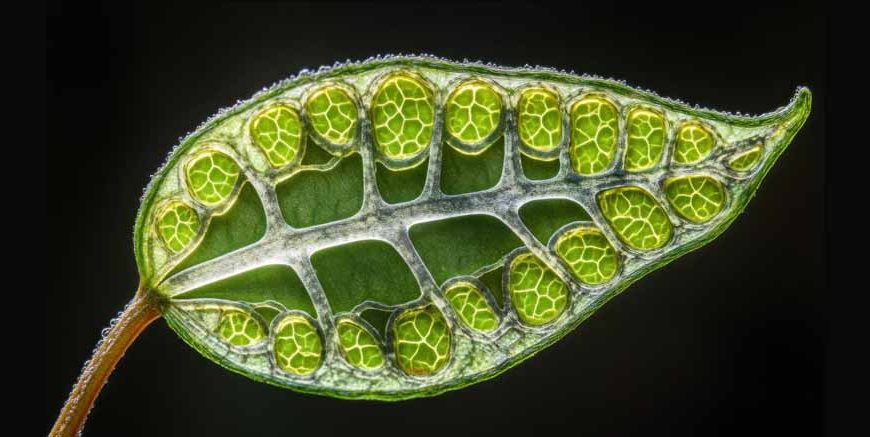
Kids bring home a huge amount of science homework these days, and sometimes the topics sound completely alien to us parents. Just the other evening, a friend of mine was scratching her head over her daughter’s biology worksheet. It was entirely about the tiny, hidden things inside a leaf.
You look at a simple garden plant, maybe a quiet fern sitting on your kitchen windowsill, and it just looks peaceful. But if you put it under a microscope, the reality is absolute chaos. It is a bustling microscopic factory working non-stop. To really grasp basic plant cell information, we have to talk about the hardest workers inside that green factory. We need to look very closely at ribosomes.
Getting to Grips with the Basics
Clearing up the terminology is usually the best place to start. If you need to quickly define ribosomes for a school project, you can simply call them the master protein builders of the microscopic world. The official ribosomes definition is that they are complex molecular machines made from RNA and proteins. Whenever a teacher asks a student to write a short note on ribosomes, the easiest way to explain it to a child is by comparing it to a busy car assembly line.
The exact ribosome definition biology textbooks use can sound a bit dry. They usually call it the primary site of biological protein synthesis. But the true ribosomes meaning is much more exciting than a textbook makes it sound. They are the ultimate decoders. They take hidden, complicated messages from the cell’s command centre and translate those messages to build the physical materials a plant desperately needs to stay alive, grow taller, and stay green.
Read More – Parts of a Cell Structure & Functions
Finding the Builders
So, where are ribosomes located? If you peered directly into a leaf cell, you wouldn’t just find them gathered in one single, neat corner. They actually hang out in two main spots. A massive number of them float completely free in the cytoplasm, which is basically the thick, watery jelly filling up the inside of the cell.
But that isn’t the only place you will spot them. Millions of others are stuck tight to a maze-like structure called the endoplasmic reticulum. Because they cover its surface like tiny, rough bumps, scientists call it the rough endoplasmic reticulum. Whether they are floating freely around in the jelly or clinging stubbornly to the walls of this maze, they are constantly waiting for their next big building job to arrive.
Form Meets Purpose
To properly describe the structure and function of ribosomes, I always tell kids to think about a standard burger bun. Yes, a burger bun. They do not look like perfect, smooth spheres. They actually have two distinct, separate parts. There is a large top piece, which scientists call the large subunit, and a slightly smaller, thinner bottom piece called the small subunit. When the cell isn’t actively building anything, these two pieces just drift apart in the jelly.
But the second a work order arrives, they snap firmly together. They clamp down on a genetic instruction tape and pull it through, reading it like a barcode scanner at a supermarket checkout. This clever two-piece design perfectly highlights the link between ribosomes structure and function. Without this highly specific clamping ability, they could never hold the instructions still enough to read them or link the building blocks together properly.
Read More – Science Quiz Questions and Answers for Kids
The Core Responsibilities
If a child turns to you while doing their homework and asks, “what is the function of ribosomes?”, you can tell them it is all about making proteins. Proteins are the essential, heavy-duty tools that keep a plant healthy.
When kids need to write the function of ribosomes for a difficult science test, they absolutely should mention amino acids. The main function of ribosomes is connecting tiny chemical beads, known as amino acids, into a long, highly specific chain. Think of it like stringing colourful beads onto a necklace in a very exact pattern.
Let us break down the actual ribosomes function in plant cell biology with a quick list of what these created proteins actually do for the plant everyday:
- Repairing damage: When a strong autumn wind snaps a stem or a hungry bug chews a hole in a leaf, the plant needs fresh proteins to heal the damage quickly.
- Physical growth: A tiny, fragile seed turning into a massive oak tree needs specific structural proteins to build thick, sturdy cell walls.
- Digesting nutrients: Enzymes are special types of proteins that help the plant break down food and nutrients, allowing it to survive through harsh, freezing weather.
- Catching sunlight: The proteins help support the chloroplasts, which are the specific bits of the plant that catch warm sunshine to make food.
The overall functions of ribosomes in plant cell life ensure the organism can adapt to its surroundings, grow taller to reach the sun, and stay healthy even when the weather turns bad.
A Shared Microscopic Connection
There is a rather brilliant twist you can share with your kids here to make the topic more relatable. While we are talking a lot about green leaves and tall trees, the functions of ribosomes in animal cell biology are remarkably similar. You, me, the family dog, and the birds flying outside all rely on these exact same microscopic machines.
While a garden rose uses its builders to create soft, red petals, a young boy’s body uses them to build strong leg bones and heal scraped knees after a fall in the playground. It proves that absolutely all living creatures on this planet share a deep, fundamental connection right down to the microscopic level.
Read More – Exploring the Living World
Conclusion
Looking at biology this way completely changes how you see a simple patch of grass. The next time you go for a walk in the local park, remember that beneath the quiet green surface of the leaves, billions of tiny two-part machines are frantically clamping, reading, and building. They don’t take bank holidays, and they certainly don’t sleep.
The very fact that a delicate seedling can push its way through hard, muddy soil is entirely thanks to this microscopic assembly line running without a single mistake. It is a quiet reminder that the most massive, beautiful things in nature depend entirely on the invisible, silent work happening behind the scenes. If you want to find more brilliant ways to satisfy your child’s endless curiosity and support their early education, have a read through the EuroKids Blog and secure their vibrant learning journey today via EuroKids Preschool Admission.
FAQs
What happens if these microscopic factories stop working?
If these protein builders shut down, the organism cannot repair itself, process any food, or grow new roots, which means it will quickly wither and die.
Are they only hiding inside the green leaves?
Not at all. You will find them working tirelessly in every single living part of the organism, from the lowest muddy roots buried underground to the highest flower petals.
Can we see them with a normal magnifying glass?
No, they are incredibly tiny. You need a highly specialised piece of equipment called an electron microscope to actually spot their odd burger-bun shape.