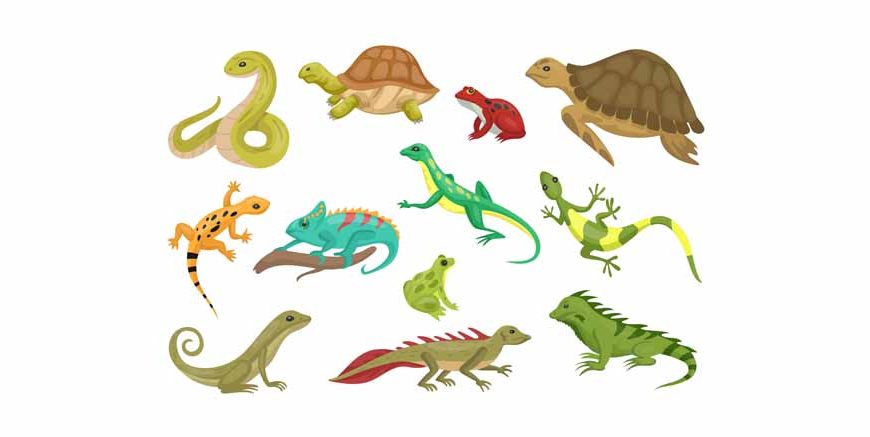
When we think of prehistoric beasts roaming the ancient earth, giant dinosaurs immediately spring to mind. But you do not need to look at dusty museum bones to see what those incredible creatures looked like. Their distant cousins are still living, breathing, and crawling all around us today. From tiny, colourful lizards darting up rough brick walls to massive, silent crocodiles waiting patiently in muddy rivers, the world of cold-blooded creatures is absolutely fascinating. Many children are naturally a bit nervous around scaly animals, mostly because they look so incredibly different from our soft, furry pets. However, replacing that initial fear with genuine scientific curiosity is one of the best things a young learner can do. Let us dive straight into the wild habitats of these amazing survivors and uncover the brilliant facts about them.
Defining the Group: reptiles meaning and examples
What exactly makes a snake completely different from a slippery frog or a furry mouse? To accurately understand what animals are reptiles, we have to look closely at three strict biological rules that they all follow.
First, they are all cold-blooded (the scientific word is ectothermic). This simply means they cannot generate their own internal body heat like humans or dogs do. This is exactly why you will often see them basking lazily on a warm rock in the afternoon sun to warm up, or hiding deep in the dark shade when the midday weather gets too boiling hot.
Second, they all possess a backbone, making them vertebrates. Finally, their bodies are completely covered in dry, tough scales or thick bony plates, and the vast majority of them lay leathery eggs to reproduce. A very simple breakdown of reptiles meaning and examples would include everything from a slow-moving, peaceful garden tortoise munching on lettuce to a lightning-fast desert snake hunting in the sand.
Read More – List of Animals That Live On Land And Water
Exploring the Amazing reptiles animals
These creatures are highly adaptable and manage to survive on almost every single continent on the planet, except for the freezing, icy wasteland of Antarctica. When we look at these reptiles animals, scientists generally divide them up into four major families.
We have the crocodilians (which includes the large alligators, caimans, and crocodiles), the squamates (a massive group that includes absolutely all known lizards and snakes), the testudines (your shelled friends like turtles and tortoises), and finally, a very rare, ancient group called rhynchocephalia (which nowadays only includes the special tuatara lizard found exclusively in New Zealand). Whether they are swimming through salty oceans, climbing tall rainforest canopy trees, or burrowing deep under the baking desert sand, their biological armour keeps them perfectly protected from harsh weather and hungry predators.
Starting Small: five reptiles name
If a child wants to start memorising some cool wildlife facts, the absolute easiest way is to begin with a short, highly familiar group. Kids love lists, and breaking the animal kingdom down into bite-sized chunks helps them remember the terminology. Here are five reptiles name that most primary school students will instantly recognise from their favourite storybooks or weekend trips to the local zoo:
- Chameleon: Famous for changing its skin colour to blend in.
- Cobra: A highly recognisable snake that spreads its neck into a wide hood.
- Sea Turtle: A graceful swimmer that travels thousands of miles across the ocean.
- Iguana: A large, spiky green lizard that loves climbing tall trees.
- Crocodile: A massive, aquatic hunter with a very powerful, toothy bite.
Read More – Teach Kids About Amphibians
The Ultimate reptiles list
To give young learners a much wider, more detailed view of this diverse biological family, we need to expand our search globally. If your child is doing a school project and desperately needs 10 examples of reptiles, we have put together a comprehensive, exciting reptiles list. This breakdown includes fascinating reptiles examples with names and a quick, engaging fact for each specific creature:
- Komodo Dragon: This is the heaviest and largest living lizard on the entire planet. Found in Indonesia, it is armed with a highly dangerous bite and a thick, scaly hide that looks just like chainmail armour.
- Leatherback Sea Turtle: Unlike other typical turtles, this massive ocean traveller has a soft, rubbery, leathery shell instead of a hard, bony one, allowing it to dive incredibly deep into the dark sea.
- King Cobra: The longest venomous snake in the world. When it feels threatened, it is capable of lifting the front of its body high off the ground and looking a full-grown human right in the eye.
- Nile Crocodile: A fierce, ancient predator that uses ultimate stealth and patience to hunt near the muddy riverbanks of Africa, waiting for thirsty animals to come for a drink.
- Gecko: A tiny, incredibly vocal lizard that has special gripping pads on its toes, allowing it to easily walk completely upside down on smooth glass ceilings without falling off.
- Galapagos Tortoise: A gentle, slow-moving giant. They hold the record for longevity and can easily live for well over a hundred years roaming on isolated, rocky islands.
- Gila Monster: One of the very few venomous lizards on earth. It is famous for its bright, warning patterns of orange and black bumpy skin and spends most of its life hiding underground.
- Rattlesnake: A clever desert survivor that uses a loud, shaking tail made of hollow keratin rings to warn away large, clumsy predators before they step on it.
- Panther Chameleon: A brilliant tree-dweller from Madagascar that can actually look in two completely different directions at once to spot tasty insects, grabbing them with a lightning-fast, sticky tongue.
- Green Anaconda: A massive, incredibly heavy snake that spends almost its entire life swimming in South American rivers. It does not use venom; instead, it uses its massive muscles to squeeze its prey.
Read More – Wild Animals for Kids
Conclusion
Looking closely at how these scaly creatures survive gives us a profound respect for the natural world. It is incredibly thought-provoking to realise that a small, harmless gecko climbing your living room wall shares a deep, unbroken genetic history with the massive, stomping dinosaurs that ruled the earth millions of years ago. These animals are not gross or inherently scary; they are brilliant, ancient survivors wearing tough, biological armour. Teaching kids about their unique habits replaces fear with genuine scientific curiosity.
When we understand how a sea turtle uses the earth’s magnetic field to navigate the massive ocean or why a snake must shed its tight skin to grow, we learn to share our planet with these wonderful creatures rather than destroying their natural homes. To discover more engaging wildlife facts and actively support your child’s brilliant early learning journey, check out the fantastic educational resources on the EuroKids Blog and secure their vibrant future today via EuroKids Preschool Admission.
FAQs
Are all snakes highly venomous?
No, the vast majority of snakes are completely harmless to humans. Most rely on physically squeezing their food or catching tiny insects, and only a very small percentage actually carry venom for hunting.
Why do some lizards lose their tails when scared?
Many lizards can voluntarily drop their tails to confuse and distract a hungry predator. While the predator stops to watch the twitching tail, the lizard quickly escapes into the bushes, and it will eventually grow a brand new one.
What is the main difference between a turtle and a tortoise?
Turtles spend almost their entire lives swimming in oceans or rivers and have flat, streamlined shells for gliding through the water. Tortoises live strictly on dry land and have tall, heavy, dome-shaped shells to protect themselves from harsh land predators.