Think about a busy construction site. Cranes are lifting heavy steel beams, workers are carefully laying down rows of bricks, and the foreman is coordinating everything based on a massive set of blueprints. Your own body operates exactly like that chaotic, busy construction site. Every single second of the day, it is actively building new skin cells, growing your bones, and fixing up small scrapes on your knees. But a construction crew cannot do their job without the proper raw materials. This brings us to the most vital building material of all. Let’s unpack the protein meaning and see why these microscopic workers are the true heroes keeping you healthy and strong.
The Basics: What is the Definition of Protein?
If someone asks you for a simple definition of protein, you can tell them it is a complex, microscopic molecule made up of smaller, interlocking building blocks called amino acids. Think of amino acids as a massive bucket of colorful Lego bricks. By snapping these different bricks together in various shapes, lengths, and patterns, your body can build thousands of completely different structures. Some long chains of bricks are used to build tough, strong muscles, while other delicate chains build the clear lenses inside your eyes! So, the core protein definition is simply a chain of amino acids working together to build, maintain, and repair the living tissues inside an organism.
Read More – Dietary Protein Guide for Kids
Under the Microscope: Protein Definition Biology
When we move into the science lab and look at the protein definition biology offers, things get even more fascinating. These molecules do not just sit there like dumb, lifeless bricks. They are highly active, moving machines.
In the biological world, they are responsible for almost every single task happening inside your cells. Some of them, called enzymes, act like microscopic scissors that quickly chop up the food in your stomach so you can digest it properly. Others, called antibodies, act like tiny, fierce soldiers that patrol your bloodstream, fighting off nasty viruses and bacteria that try to make you sick. The secret instructions for building all of these specific, specialized machines are locked safely away inside your DNA.
Fueling the Machine: Proteins Definition in Food
Because your body cannot magically create all the amino acid building blocks it needs from scratch, you have to get them from the outside world. The proteins definition in food refers to the specific macronutrients we consume during our meals to get those essential building blocks.
When you chew up and swallow a piece of food rich in this nutrient, your stomach breaks it down into individual Lego bricks (amino acids). Your blood then acts like a delivery truck, shipping those bricks out to your tired muscles and organs to be reused.
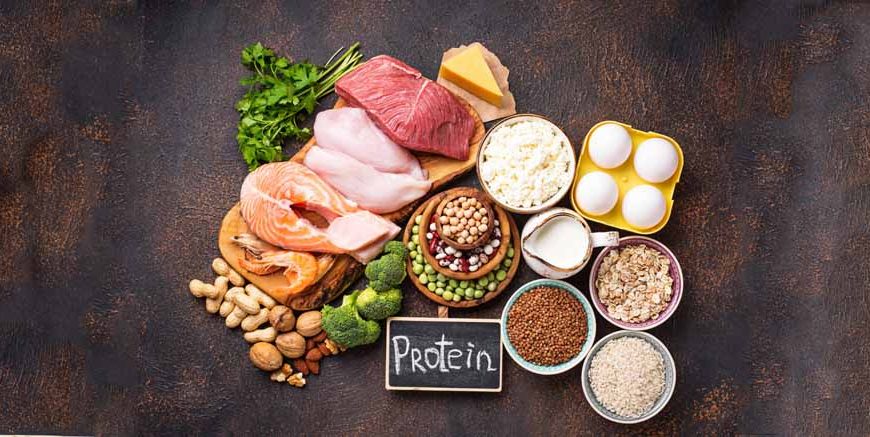
You can find massive amounts of these nutrients in animal products like chicken, fish, milk, and eggs. Scientists call these “complete” sources because they contain every single type of amino acid your body needs. However, you do not have to eat meat to get strong! Plants are packed with them too. Black beans, green lentils, walnuts, and peanut butter are fantastic, healthy sources that keep your internal construction crew working smoothly.
Define Proteins with Examples
Sometimes science vocabulary can feel a bit invisible. To make this concept really clear, let’s define proteins with examples that you can actually see, feel, and understand in your daily life.
- Keratin: Look down at your fingernails or pull lightly on a strand of your hair. You are looking directly at keratin! This is a tough, hard structural molecule designed specifically to protect the soft, sensitive ends of your fingers and keep your hair strong against the wind and sun.
- Hemoglobin: If you have ever had a small papercut, you have seen a drop of red blood. Inside that blood is hemoglobin, a special transport molecule that acts exactly like a delivery truck. It grabs fresh oxygen from your lungs and carries it through your veins to the rest of your body.
- Myosin: When you run across the playground, jump over a puddle, or even just smile, your muscles are contracting. Myosin is the internal motor that physically slides back and forth, allowing your muscle fibers to move and generate force.
Read More – Healthy Foods for Kids to Gain Weight
A Short Note on Protein Facts
If you need to write a short note on protein for a school project, here are some excellent historical and nutritional facts to include.
The actual word comes from the ancient Greek word proteios, which translates to “primary” or “holding the first place.” This is incredibly accurate because water is the only substance your body has more of! Also, unlike body fat, your physical system doesn’t really have a good way to store extra amino acids for a long time. This means you cannot just eat a giant steak on Monday and skip eating healthy foods for the rest of the week. You need to consume a little bit of these healthy building blocks every single day to keep your biological engine running.
Summary
To wrap things up, these complex molecules are much more than just a fancy dietary word printed on the back of a cereal box. They are the structural foundation of your entire physical existence. From the hair growing on your head to the invisible enzymes digesting your dinner, they are the tireless, unseen workers keeping you alive, moving, and growing taller.
Think about this the next time you eat a handful of almonds or a scrambled egg for breakfast. You are not just filling an empty, hungry stomach. You are actively delivering a massive shipment of microscopic building blocks to a busy biological construction site. Your body takes that simple meal, breaks it completely apart, and literally rebuilds itself, transforming a regular piece of food into the beating tissues of your heart and the muscles that let you run. We are, quite literally, built out of the things we choose to eat.
To explore more fun educational concepts and discover engaging learning strategies, check out the EuroKids Blog and find out more about EuroKids Preschool Admission.
FAQs
Do I need to drink heavy protein shakes to get strong muscles?
No, you do not! Unless instructed by a doctor, kids and teenagers easily get all the amino acids they need to grow big and strong just by eating regular, balanced meals at home.
What happens if a person doesn’t eat enough of it?
If the biological construction site runs out of materials, the body slows down. Cuts and scrapes take much longer to heal, hair might get brittle, and the person will feel tired and physically weak.
Is this nutrient only used for growing large muscles?
Not at all. While muscles rely heavily on it, it is also completely required to build healthy skin, strong bones, brain chemicals, and a fierce immune system.
Can my body make its own amino acids?
Your body is smart enough to manufacture some of them entirely on its own! However, there are nine specific ones (called “essential amino acids”) that your body absolutely cannot make, which means they must come from the food you eat.