Misplacing a vital piece of winter clothing right before the morning school run is an entirely universal parenting experience. The frantic search for a missing woolly glove, the tearful apologies from a frustrated toddler, and the ultimate sigh of relief when it is finally discovered tucked behind the hallway radiator are scenes played out in living rooms across the country every single chilly morning. Interestingly, this incredibly common domestic drama was perfectly captured in a classic piece of childhood literature well over a century ago.
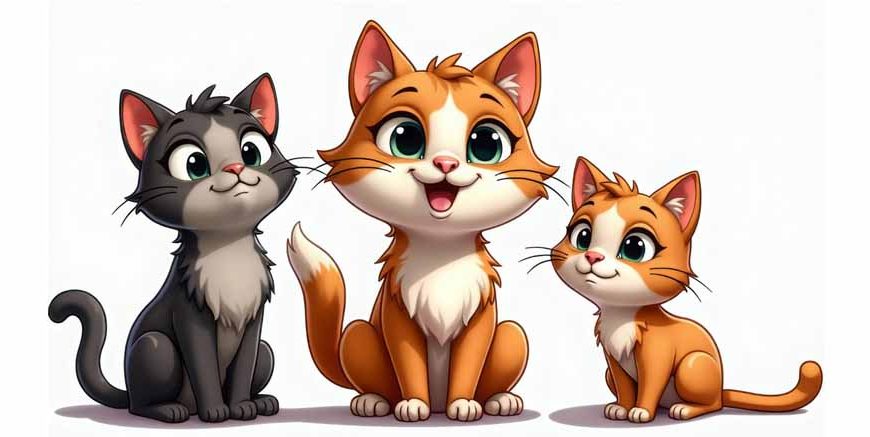
The story of a highly stressed feline family dealing with carelessly lost laundry is far more than just a bouncy, catchy tune to sing on the carpet. It is actually a brilliantly structured exploration of cause, effect, and taking personal responsibility for your own belongings. Today, we are going to unravel this timeless musical narrative, exploring exactly how a simple story about muddy paws and ruined winter wear teaches growing children vital, lifelong skills about accountability and the sweet reward of hard work.
The Enduring Appeal of the Three Little Kittens
Unlike many traditional playground songs that rely purely on a silly noise or a repeating rhythm, the Three Little Kittens acts as a complete, four-act theatrical play. It contains genuine conflict, a harsh consequence, a joyful resolution, and a final, satisfying redemption.
When young children listen to this story, they are completely captivated by the emotional rollercoaster the characters experience. They instantly recognise the sheer panic of losing something incredibly important. They understand the strict mother’s disappointment, and they feel the massive surge of pride when the young cats finally manage to fix their own mistake. Rather than a parent simply swooping in to magically solve the problem, the young felines are forced to retrace their steps, locate their missing items, and physically wash out the dirt themselves. It is a highly empowering narrative that shows children they are entirely capable of cleaning up their own messes.
Read More – Nursery Rhymes For Kids with Lyrics
The Complete Three Little Kittens lyrics
To truly appreciate the dramatic shifts in the story, you need to know the full, unabridged words. The rhyming scheme is incredibly sharp, making it wonderfully easy for developing minds to memorise the different verses and perform them aloud.
Here are the traditional Three Little Kittens lyrics to read and sing with your child:
The three little kittens, they lost their mittens,
And they began to cry,
“Oh, mother dear, we sadly fear,
Our mittens we have lost.”
“What! Lost your mittens, you naughty kittens!
Then you shall have no pie.”
“Mee-ow, mee-ow, mee-ow.”
“No, you shall have no pie.”
The three little kittens, they found their mittens,
And they began to cry,
“Oh, mother dear, see here, see here,
Our mittens we have found!”
“Put on your mittens, you silly kittens,
And you shall have some pie.”
“Purr-r, purr-r, purr-r,
Oh, let us have some pie.”
The three little kittens put on their mittens,
And soon ate up the pie,
“Oh, mother dear, we greatly fear,
Our mittens we have soiled.”
“What! Soiled your mittens, you naughty kittens!”
Then they began to sigh,
“Mee-ow, mee-ow, mee-ow.”
Then they began to sigh.
The three little kittens, they washed their mittens,
And hung them out to dry,
“Oh, mother dear, do you not hear,
Our mittens we have washed!”
“What! Washed your mittens, then you’re good kittens,
But I smell a rat close by.”
“Mee-ow, mee-ow, mee-ow.
We smell a rat close by.”
Read More – Twinkle Twinkle Little Star Lyrics in English
What the 3 little kitten Story Teaches Us
If you look past the charming imagery of cats eating freshly baked pastry, this specific tale is an absolute masterclass in early emotional intelligence. When you share a 3 little kitten story at bedtime, you are actively teaching your child about the natural consequences of their daily actions.
When the gloves are carelessly lost, the mother does not scream, but she firmly sets a clear boundary: if you cannot look after your belongings, you cannot enjoy a special treat. She does not leave the kitchen to find the missing items for them. This actively teaches young listeners about independence. Furthermore, when the items are inevitably covered in sticky jam and dirt during the meal, the young cats do not hide the mess.
They honestly confess their mistake and immediately get a bucket of soapy water to wash the fabric. It beautifully proves to a child that making a mistake is a completely normal part of growing up, provided you are willing to roll up your sleeves and put in the hard work to put things right again.
Creative Ways to Bring the Story to Life
You can easily use this historical rhyme as a brilliant springboard for highly engaging, educational games around the house. Here is a helpful list of interactive activities that tie the story directly to physical learning:
- The Laundry Sorting Game: Empty a basket of clean laundry onto the bed and ask your child to successfully pair up all the mismatched socks and winter gloves. This heavily builds their visual matching skills and pattern recognition.
- Sensory Water Wash: Fill a plastic washing-up bowl with warm, soapy water and hand your child a few old pairs of clean socks. Let them vigorously scrub the fabric, wring out the water, and use wooden pegs to hang them on a low string. This sensory play massively strengthens their fine motor skills and grip strength.
- Baking a Reward Pie: Spend a rainy Sunday afternoon baking a simple fruit pie together in the kitchen. Measuring out the heavy flour, rolling the sticky dough, and patiently waiting for the sweet reward perfectly mirrors the joyful second verse of the song.
Read More – Creative Storytelling Activities For Preschoolers
Conclusion
It is genuinely thought-provoking to realise that true maturity does not come from never making a single mess, but rather from having the quiet courage and personal responsibility to clean up the messes you inevitably make. This ancient, bouncy rhyme teaches children that failure and mistakes are simply temporary hurdles, easily overcome with a little bit of honesty and hard work.
By sharing these rich, narrative songs, we give young minds a safe, musical framework to understand accountability and the deep satisfaction of earning their rewards. Building this exact type of emotional resilience and practical independence is beautifully embedded within the engaging Heureka Curriculum. To discover more wonderful, creative ways to support your child’s early milestones and foster a deep love for learning, explore the latest educational resources on the EuroKids Blog and secure their vibrant academic future today through EuroKids Preschool Admission.
FAQs
What is the historical meaning behind smelling a rat at the end of the song?
In the context of this old nursery rhyme, the mother cat is simply playfully reminding her young offspring that they are natural hunters. Now that their paws are beautifully clean and the pie is entirely finished, it is time for them to get back to their actual job of catching mice in the barn!
Why are mittens used in the song instead of normal gloves?
Mittens were significantly easier and much cheaper for Victorian mothers to knit by hand than fingered gloves. Furthermore, the word ‘mittens’ creates a perfect, highly satisfying rhyme with the word ‘kittens’, which helps young children memorise the song rapidly.
Can learning this rhyme actually help my child look after their own clothes?
Absolutely. By playfully referencing the song when you ask them to put their own shoes away or place their dirty jumper in the laundry basket, you turn a boring household chore into a highly familiar, engaging game of personal responsibility.