Losing a highly prized possession is a universal, monumental childhood crisis. When a favourite toy suddenly goes missing, genuine panic instantly sets in, tears begin to fall, and the entire living room is frantically turned upside down in a desperate search. That overwhelming, frustrating feeling of losing something important is exactly why a centuries-old poem about a careless shepherdess still resonates so powerfully with young children today.
While we no longer send our toddlers out into the fields to look after farm animals, the underlying emotional journey of misplacing something valuable and learning how to patiently wait for its return remains entirely relevant. Let us step away from the modern digital distractions for a moment and take a closer, practical look at the brilliant lessons hiding inside this classic piece of childhood poetry.
The Lyrics
Before you can actively discuss the story with your child, you need the actual words. While most parents only remember the famous first verse, the complete narrative actually stretches a bit further, telling a full, chronological story of loss, dreaming, and eventual recovery. Here are the traditional lyrics to recite at home:
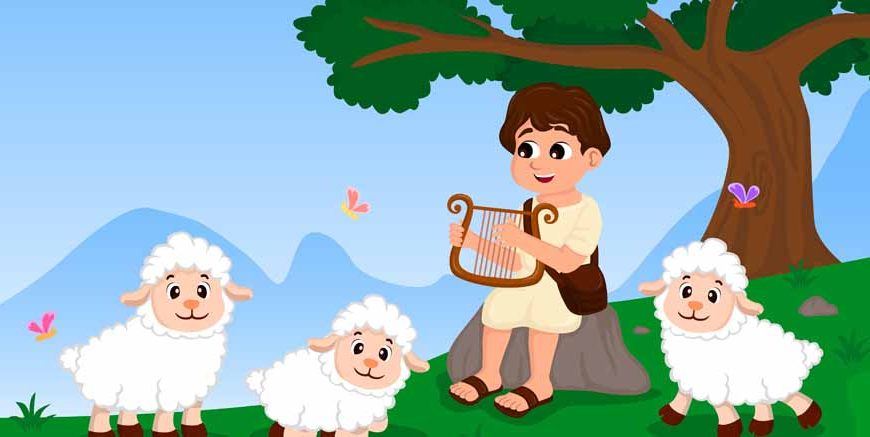
Little Bo-Peep has lost her sheep,
And doesn’t know where to find them;
Leave them alone, and they’ll come home,
Wagging their tails behind them.
Little Bo-Peep fell fast asleep,
And dreamt she heard them bleating;
But when she awoke, she found it a joke,
For they were still a-fleeting.
Then up she took her little crook,
Determined for to find them;
She found them indeed, but it made her heart bleed,
For they’d left their tails behind them.
Read More – Short Animal Poems for Kids
Decoding the Little Bo Peep rhyme
When you sit down and properly analyse the classic Little Bo Peep rhyme, you quickly realise it is a rather sophisticated story about consequences and emotional regulation.
The story immediately introduces a massive problem: the young girl has lost her entire flock. The immediate advice given in the very first stanza is incredibly striking. Instead of telling her to panic, run around wildly, or cry, the rhyme advises her to simply “leave them alone.” It introduces a very difficult concept for young children to grasp: patience. Often, when we lose something, our immediate instinct is to panic. This story gently suggests that sometimes, taking a step back and waiting calmly is the absolute best way to solve a problem.
As the story progresses, she falls asleep and dreams about finding them, only to wake up disappointed. This perfectly mirrors a child’s frustration when a problem is not solved instantly. Finally, she takes active responsibility. She picks up her crook and goes to look for them. She finds them, but they have left their tails behind. This adds a gentle, realistic twist to the narrative, teaching children that while mistakes can certainly be fixed, they sometimes leave a lasting mark, and actions have actual consequences
Building Vocabulary and Phonetic Awareness
Beyond the moral of the story, engaging with classic Little Bo Peep nursery rhymes is a heavy-duty workout for a developing brain. The English language is famously complicated, filled with strange spelling rules and unpredictable sounds. Poetry acts as a brilliant, highly predictable map that helps children navigate these sounds safely.
When a toddler hears the pairing of “Peep” and “sheep,” their brain immediately logs the sharp “ee” phonetic sound. Because the rhythm is so strictly structured, the child can easily guess what sound is coming next, giving them the massive confidence to shout the words out loud. This rhythmic repetition physically trains their lips, tongue, and vocal cords to pronounce difficult consonants accurately. It is a highly active, mechanical way of building a robust vocabulary without ever needing to open a dry, boring spelling book.
Read More – Significance of Nursery Rhymes in Preschool Education
Active Discovery and The Heureka Approach
Reading a poem whilst sitting perfectly still on a sofa is fine, but young children learn best when they are physically moving. They need to tactilely interact with a concept to truly understand it.
Instead of just reciting the words passively, you can easily turn this story into an active physical game. Hide small, fluffy cotton balls around the living room and ask your child to take on the role of the shepherdess.
Give them a toy walking stick as a ‘crook’ and let them physically search the house. This active, hands-on method of learning is the exact bedrock of the Heureka curriculum. By linking spoken academic vocabulary directly to physical movement and active problem-solving, the brain permanently locks the information away. Children are not just parroting a story they heard; they are physically living the narrative, understanding spatial awareness, and actively hunting for solutions in their immediate environment.
Teaching Responsibility in the Modern Home
We can easily use this historical farming story to tackle modern behavioural challenges. Taking care of a massive flock of wandering animals was a huge responsibility for a young girl. When she fell asleep on the job, things went wrong.
You can use this exact narrative to explain the concept of taking care of personal belongings. If your child constantly leaves their toys scattered across the garden or forgets their jumper at the local park, refer back to the shepherdess.
Explain that their toys are exactly like the flock; if they do not keep a careful eye on them and pack them away properly when playtime is over, those items will wander off and get lost. Tying a frustrating daily chore, like tidying up a bedroom, to a fun, familiar story makes the instruction feel far less like a strict punishment and much more like a logical, necessary habit.
Conclusion
Stripping away the old-fashioned language and looking closely at the core mechanics of this poem completely changes how we view traditional childhood stories. It is not just a silly rhyme about farm animals; it is a profound, bite-sized lesson in emotional regulation, personal responsibility, and the harsh reality of consequences. It is genuinely thought-provoking to realise that a simple song passed down through generations still holds the power to teach a modern child how to pause, breathe, and act logically when they lose something precious. If we continue to use these brilliant linguistic tools to encourage active play and careful listening, we build a foundation of resilience that will serve them long after they have outgrown the nursery. To uncover more fantastic ways to fuel your child’s daily development and nurture their growing minds, dive into the latest insights on the EuroKids Blog and secure their exciting educational journey today through EuroKids Preschool Admission.
FAQs
Is it scary for kids that the sheep lost their tails?
Not typically. Young children tend to process the final verse as silly or slightly absurd rather than frightening. It serves as a gentle, non-threatening way to explain that making mistakes can sometimes leave things a bit messy.
How can I help my child memorise the lyrics?
Do not force them to sit and repeat it. Simply sing the song naturally while doing everyday chores, or pause at the end of a rhyming line (like “has lost her…”) and let them eagerly shout out the missing word.
What is a shepherd’s crook?
It is a long, wooden walking stick with a large hook at the very top. Shepherds used it to gently catch runaway sheep by the neck or leg to pull them safely out of dangerous bushes or deep ditches.