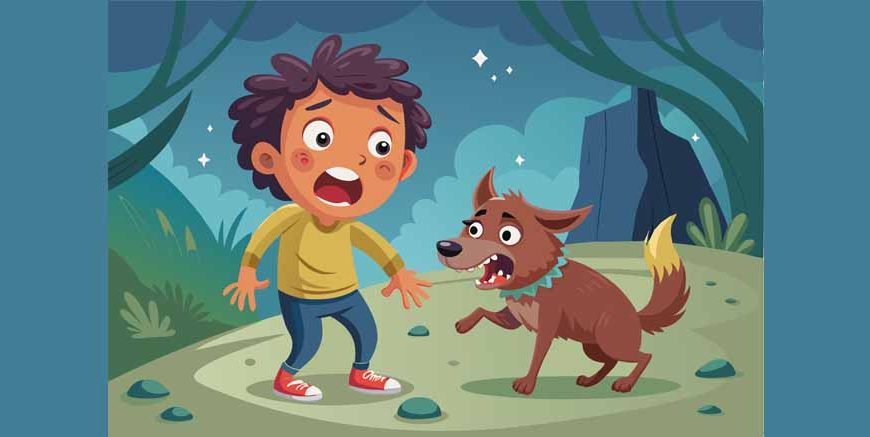
Before cartoon streaming took over, parents used a simple method to teach children how to behave. They told a memorable story. These bedtime tales wrapped hard truths inside an entertaining adventure. This story is based on one of the fundamental issues; lying. We all know a child who tells a fib just to get a reaction. It seems funny to them at that moment, but the fallout is miserable. To really understand why honesty matters, we need to look back at an old hillside fable. We will walk through the grass with a young shepherd, watch a prank go wrong, and figure out how to explain this lesson to your kids.
A Boring Job on the Mountain
A long time ago, a young shepherd boy lived in a tiny village. His daily job was simple but dull. Every morning, he had to guide a large flock of fluffy sheep up a steep mountain. He had no friends to play with. He just sat on a cold rock for hours, listening to the sheep bleat. The village elders had given him one strict rule. If a wild predator ever came near the flock, he needed to shout loudly. The adults working in the valley would hear him, drop their tools, and run up the hill to chase the beast away.
Read More – Short Moral Stories For Kids
The Foolish Prank
One chilly afternoon, the boy was losing his mind with boredom. He looked across the empty fields. There was no danger hiding in the bushes. But a cheeky idea popped into his head. He stood up, cupped his hands tightly around his mouth, took a massive breath, and shouted. “Wolf! Wolf! Please help, a wolf is attacking the sheep!” Down in the valley, the hardworking villagers heard his terrified screams. They dropped their water buckets, grabbed thick wooden sticks, and ran up the dirt path. When they reached the top, they found the boy rolling on the grass, laughing his head off. The village baker glared at him. “Do not play stupid tricks on us,” he said firmly. The adults walked back down the hill, feeling annoyed.
The Real Danger Appears
A few days passed. The boy found himself sitting on that same rock, feeling bored again. He thought the panicked look on the adults’ faces was hilarious. So, he shouted for help again. Once again, the neighbours rushed up the mountain and found absolutely nothing. This time, they were furious. A grumpy farmer warned that nobody would ever believe a single word he said again. The very next evening, the sun began to set.
Suddenly, a low growl echoed from the dark woods. A massive, hungry wolf stepped out of the bushes and stared directly at the frightened sheep. The boy was paralyzed with fear. He screamed in pure panic. “Wolf! Wolf! A real wolf is here! Please help me!” Down in the village, the adults heard the noise. They agreed it was just the silly boy playing another trick. Nobody went up the hill. The boy had to watch helplessly as the beast chased his flock into the dark forest.
Read More – Lion and the Wolf Story For Kids
Moral of the Story
This ancient narrative is not about farming. The core of the boy who cried wolf moral is that liars eventually strip themselves of all credibility. Even when they finally speak the truth, their words mean absolutely nothing. Sharing the boy and the wolf story acts as a brilliant mirror for children. It shows them exactly how human trust functions. Think about a little girl at home who tells her dad she washed her hands, but the sink is dry. If she later shouts that her little brother swallowed a marble, her dad might pause and doubt her story for a crucial second. Once you break trust with silly lies, it takes hard work to fix that damage. Reading the boy and the wolf teaches kids that their words hold heavy power. A fib eventually isolates you from the people who care about you the most.
How to Encourage Honest Habits
Teaching children to value the truth requires patience. You cannot just demand honesty. You have to build an environment where telling the truth feels safe. Here is a practical list of ways to foster honesty at home:
- Praise the hard truth: When your child bravely admits they broke a favourite mug, thank them for their honesty before cleaning up.
- Avoid obvious traps: If you see your kid holding a marker next to a ruined wall, do not ask if they did it. Just state that the mess needs cleaning up immediately.
- Model good behaviour: Kids copy what you do. If they hear you telling a small lie to avoid a boring party, they learn that lying is acceptable.
Read More – Bedtime Stories for Kids
Conclusion
Trust is similar to a thin piece of glass. It takes years to carefully build, but it can shatter into jagged pieces with just one reckless choice. This old fable remains highly relevant today because human nature does not change. We all crave attention, and young kids often make foolish mistakes to get it. Teaching our kids to fiercely protect their personal integrity gives them a solid foundation for their adult lives. A child who learns to tell the truth is a child who will grow into a deeply respected person. To discover more wonderful stories and practical parenting advice, explore the EuroKids Blog and secure their vibrant educational journey today through EuroKids Preschool Admission.
FAQs
Why did the villagers ignore the shepherd boy at the end?
He had already deliberately tricked them twice just for a quick laugh. This completely destroyed their trust in him, so they assumed his real cry for help was just another fake prank.
What is the easiest way to explain this fable to a three-year-old?
Keep it very basic. Tell them that if we tell fibs just to be silly, our friends and family will not believe us when we are actually telling the truth and need their help.
Is it normal for young kids to experiment with telling small lies?
Yes, it is a completely normal developmental stage where children test boundaries to avoid getting into trouble, but parents must correct it with gentle, firm consistency.