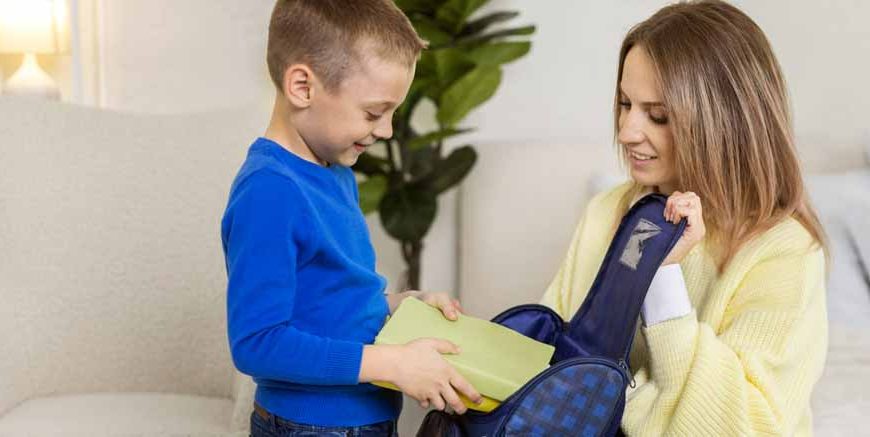
Mornings with a three-year-old rarely go according to plan. You find one shoe under the sofa, the milk spills on the kitchen rug, and the clock keeps ticking toward drop-off time. In the middle of this rush, you look at that tiny backpack by the door. It is easy to feel torn between two bad options: packing far too much and turning the bag into a heavy brick, or packing too little and getting a midday phone call asking for clean trousers.
The secret to a calm morning is not buying every gadget on the shelf. It comes down to understanding what your toddler actually runs into during three or four hours away from you. Paint gets everywhere. Water play gets messy. Snacks drop on the floor. When you pack for those real moments, you give your child a sense of security and save the classroom staff plenty of trouble. In this blog, we will explore what to pack in your child’s preschool bag.
Building a Practical Preschool Supplies List
A solid preschool supplies list does not need ten different stationery items. Early classrooms focus on play, social routines, and sensory exploration. Your child needs gear that keeps them clean, dry, and settled throughout the morning.
1. Pack Two Complete Sets of Clothes
Do not stop at just one backup outfit. A single morning can bring a spilled glass of water at snack time, followed quickly by a muddy slip in the outdoor garden area.
Pick soft, worn-in cotton clothes rather than fancy sets with stiff buttons or awkward back zips. When children need the washroom, they need to pull down their shorts or leggings within seconds. If they have to fight tight fastenings, accidents happen.
Every complete set should include:
- One simple cotton T-shirt
- One pair of elastic-waist shorts or trousers
- Two pairs of clean cotton undergarments
- One pair of fresh socks
Tuck both sets into separate ziplock pouches. If wet clothes come off, the educator can put the damp items straight back into that empty pouch without soaking the rest of the bag.
2. Basic Hygiene Essentials
Children explore with their fingers first. They pat sand, squish playdough, and run their hands along outdoor railings.
Preschools have running water and soap, but packing a few small personal items helps build good self-care habits early on:
- A small, soft hand towel with a cloth loop for hanging
- A travel pack of gentle, unscented wipes for sticky hands
- Three or four pull-up nappies if your child is still working through toilet training
- A small tube of diaper cream if your child gets skin redness easily
Put all hygiene items in one specific side compartment so your child knows exactly where to grab them before washroom breaks.
3. One Quiet Comfort Object
Leaving home is a massive developmental step. Some days go smoothly, while other days bring sudden tears at the classroom gate.
A small, familiar item works wonders for settling nerves during group story sessions or quiet rest periods. Choose something simple: a tiny plush toy that fits in their palm, a small cotton handkerchief with home fragrance, or a laminated family picture. Avoid large toys or electronic items with lights and sounds, as they disrupt classroom focus and cause arguments among peers.
Read More – How to Prepare for Your Baby’s First Travel Experience
How EuroKids Helps Young Learners Grow
At EuroKids, early learning spaces are set up to support these exact moments of growing independence. From child-sized dining furniture to dedicated cubby holes for personal bags, teachers guide children through gentle daily routines. Staff members encourage toddlers to manage their belongings, wash their hands independently, and enjoy relaxed meal breaks with their peers in a warm, secure environment.
Conclusion
Packing a preschool bag is rarely just about clothes and snacks. It is a quiet daily bridge between your home and the outside world. Every dry t-shirt, neatly cut slice of fruit, and familiar handkerchief tells your child that their needs matter, even when you are not standing right next to them. As your child learns to zip their own bag, recognise their water bottle, and choose what to eat first, they take their first real steps toward self-reliance and daily confidence.
For helpful parenting guidance, daily routine advice, and child development insights, visit the EuroKids Blog. If you are looking for a nurturing early learning space for your child, reach out to your local centre to start the EuroKids Preschool Admission journey.
Frequently Asked Questions
1. What size bag should a preschooler carry?
Pick a bag that fits your child’s back neatly without hanging below their waistline, usually around 25-30 cm tall. Look for padded shoulder straps and an adjustable chest buckle to keep the straps from slipping off narrow shoulders.
2. How do I stop cut fruit from turning brown in the box?
Soak sliced apples or pears in a bowl of cold water with half a teaspoon of lemon juice or salt for two minutes before draining and packing. The fruit stays crisp, fresh, and bright until morning snack time.
3. How heavy should a preschool backpack be?
A loaded school bag should never weigh more than 10 percent of your child’s body weight. For a typical preschooler weighing 12 to 14 kilograms, the total bag weight must stay well under 1.5 kilograms.
4. Can I pack nuts and seeds in my child’s snack box?
Check your school’s allergy policy first. Many classrooms avoid whole nuts to protect children with allergies and prevent choking. Opt for roasted sunflower seeds, pumpkin seeds, or soft-roasted foxnuts instead.