Nursery rhymes play an important role in early childhood education in India. Among the most loved rhymes taught in preschools and kindergartens is Baa, Baa, Black Sheep. Also commonly spelt as ba ba black sheep or baba black sheep, this classic rhyme has entertained and educated children for generations.
From simple rhythm patterns to vocabulary building, the baa baa black sheep poem continues to remain a favourite in Indian homes, playschools, and online learning platforms.
In this article, we will explore the baa baa black sheep lyrics, its meaning, learning benefits, classroom activities, and much more.
Baa Baa Black Sheep Lyrics
Here are the original and most commonly sung baa baa black sheep lyrics:
Baa, baa, black sheep,
Have you any wool?
Yes sir, yes sir,
Three bags full.
One for the master,
One for the dame,
And one for the little boy
Who lives down the lane.
Many children also sing slightly modern versions, but the essence of baa baa black sheep have you any wool remains the same.
Parents searching for baba black sheep lyrics in English will find that the wording is simple, repetitive, and easy to memorise, making it perfect for young learners.
About the Baa Baa Black Sheep Poem
The baba black sheep poem is one of the oldest English nursery rhymes. Though its origins trace back to England, it has become extremely popular in India due to English-medium schooling and early childhood education practices.
In Indian preschools, children often recite the baa baa black sheep poem during:
- Morning assemblies
- Fancy dress competitions
- Annual day performances
- Recitation contests
The rhyme is short, rhythmic, and interactive, making it ideal for toddlers aged 2–5 years.
Read More – Top Nursery Rhymes For Kids with Lyrics
Meaning of Baa Baa Black Sheep
Many parents wonder: Where is the black sheep? What does the rhyme mean?
At a simple level, the poem is about a sheep with wool that shares it with others. The repetition of “yes sir, yes sir” introduces polite responses and conversational rhythm to children.
For young learners, the rhyme teaches:
- Sharing and generosity
- Counting (three bags full)
- Basic sentence structure
- Question-and-answer format
In Indian classrooms, teachers often use hand actions while singing to make the rhyme more engaging.
Educational Benefits of Baba Black Sheep
The popularity of Baba Black Sheep in Indian education is not accidental. The rhyme supports early childhood development in several ways:
1. Language Development
The repetitive phrases in baa baa black sheep lyrics help improve:
- Pronunciation
- Vocabulary
- Listening skills
- Sentence formation
2. Memory Improvement
Short rhymes like “ba ba black sheep” strengthen memory in young children.
3. Rhythm and Phonics
The rhyme introduces rhythm and sound patterns, which are essential for phonics learning.
4. Social Skills
Through lines like “One for the master, one for the dame,” children learn about sharing and distribution.
Read More – Classic Nursery Rhymes & Children’s Songs With Lyrics
CoComelon Baa Baa Black Sheep Lyrics Popularity
With the rise of YouTube learning channels, especially CoComelon, the rhyme has gained renewed popularity among Indian toddlers.
Animated versions:
- Add colourful visuals
- Include musical variations
- Use playful storytelling
- Improve screen-based learning
However, experts recommend balanced screen time along with traditional recitation methods.
Activities Based on Baa Baa Black Sheep
Indian parents and teachers often combine rhymes with creative activities.
1. Drawing and Colouring
Children can colour sheep pictures or search for baa baa black sheep images online to print and decorate.
2. Craft Activities
- Cotton wool sheep craft
- Paper plate sheep
- Clay sheep models
3. Role Play
Children can enact the rhyme:
- One child becomes the sheep
- Others play the master, dame, and little boy
This improves confidence and public speaking skills.
Read More – Twinkle Twinkle Little Star Lyrics in English
Common Variations of Ba Ba Black Sheep
The rhyme is sometimes sung with slight variations in Indian classrooms. For example:
Instead of “little boy who lives down the lane,” some teachers use:
“Little girl who lives down the lane.”
This makes the rhyme more inclusive.
Read More – Popular Nursery Rhymes for Toddlers & Preschoolers
Frequently Asked Questions
1. What is the meaning of “Baa” in the rhyme?
“Baa” represents the sound a sheep makes.
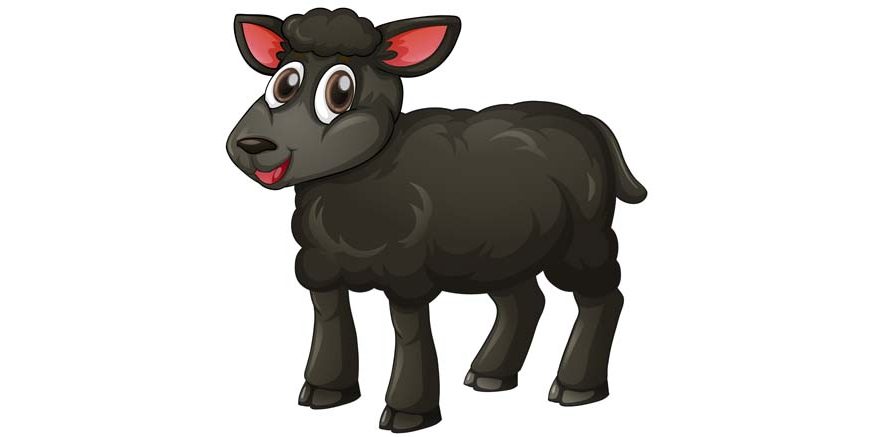
2. Why is the sheep black?
The black sheep is simply a character in the rhyme. Children often ask where is the black sheep, and teachers explain it as part of imaginative storytelling.
3. Is the rhyme suitable for nursery children?
Yes, the simple structure of the baba black sheep poem makes it ideal for ages 2–5.
Visual Learning with Baa Baa Black Sheep Images
Visual aids enhance understanding. Teachers often use:
- Flashcards
- Posters
- Animated slides
- Printable worksheets
Searching for baa baa black sheep images helps parents create engaging study materials at home.
Teaching Tips for Parents
If you are teaching baba black sheep lyrics in English at home, try these tips:
- Sing with actions.
- Use soft toys.
- Encourage your child to repeat lines.
- Ask simple questions like “How many bags?”
- Combine with drawing activities.
This ensures better retention and enjoyment.
How EuroKids Builds Strong English Foundations
Learning English at a young age becomes natural when children engage with stories, songs, real-life objects, and interactive activities. Instead of rote memorisation, EuroKids focuses on developing language skills through meaningful experiences that make reading, writing, speaking, and listening enjoyable.
At EuroKids, foundational English concepts are taught using storytelling, picture books, phonics-based exercises, and interactive vocabulary games aligned with the HEUREKA – Visible Thinking Curriculum. This approach helps children connect words to ideas, build comprehension skills, and express themselves confidently.
Activities such as narrating short stories, describing objects, and participating in “Think-Pair-Share” or “See-Think-Wonder” routines reinforce language understanding. Children learn grammar, vocabulary, sentence formation, and pronunciation in ways that feel playful yet purposeful.
With a child-focused, activity-driven methodology refined over 20+ years and implemented across 1600+ preschools, EuroKids emphasises communication and confidence first. As children enjoy English learning, fluency, reading comprehension, and writing skills develop naturally, laying the groundwork for strong lifelong language abilities.
Why Baa Baa Black Sheep Remains Timeless
Despite being centuries old, baa baa black sheep poem continues to be loved worldwide. In India, it has become a staple of early education.
Its simplicity, rhythm, and repetitive structure make it:
- Easy to remember
- Fun to sing
- Ideal for group recitation
- Effective for early language development
Whether you spell it baba black sheep, ba ba black sheep, or baa baa black sheep, the joy remains the same.
The nursery rhyme Baa, Baa, Black Sheep holds a special place in early childhood education across India. From traditional classroom recitations to animated versions like the CoComelon “Baa Baa Black Sheep” lyrics, it continues to evolve over time.
The simple yet meaningful baa baa black sheep lyrics help children develop language, memory, rhythm, and social understanding. With creative activities, drawing sessions, and interactive storytelling, parents and teachers can make this rhyme even more enjoyable.
So next time your child sings, “Baa, baa, black sheep, have you any wool?”, join in the fun, because learning begins with music, rhythm, and joy.
To explore more learning ideas, simple explanations, and early childhood resources, parents
can visit the EuroKids Blog. Those who wish to understand the preschool journey better or
explore enrolment options can find complete information on the EuroKids Preschool Admission
Page, where learning is designed to be joyful, engaging, and child-friendly.