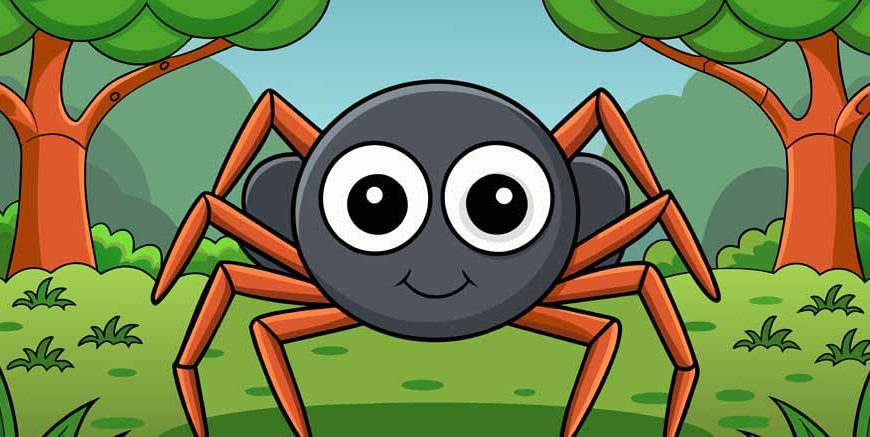
A sudden change in the weather usually means outdoor play is strictly cancelled. Puddles quickly form on the patio, dark grey clouds roll in, and children are forced to find their entertainment inside the living room. Yet, generations of parents have used this exact gloomy scenario to introduce their little ones to a brave, tiny character who absolutely refuses to let a massive downpour ruin his ambitious plans.
Rather than feeling frustrated by the wet weather, young children use their hands and voices to act out a brilliant musical story. This incredibly famous, timeless song teaches basic rhythm, physical co-ordination, and a surprisingly deep philosophical message about emotional resilience. Let us unravel the charming narrative behind this beloved playground classic and discover why it remains a massive favourite in early education today.
Learning the Itsy Bitsy Spider lyrics
Before we look closely at the hidden meanings, we must look at the actual words. The traditional Itsy Bitsy Spider lyrics are wonderfully brief, which is exactly why toddlers manage to memorise them so rapidly. They tell a complete, highly dramatic story in just four simple lines:
The itsy bitsy spider climbed up the waterspout.
Down came the rain, and washed the spider out.
Out came the sun, and dried up all the rain.
And the itsy bitsy spider climbed up the spout again.
These words act as a perfect, miniature stage play. There is a clear beginning setting the rainy scene, a dramatic middle section filled with sudden conflict, and a happy, triumphant resolution at the very end. The rhyming pattern is incredibly gentle on the ear, helping young, developing brains accurately predict exactly which word is coming next. This satisfying repetition is a vital tool for building early language skills and boosting memory retention.
Read More – Nursery Rhymes For Kids with Lyrics
Meeting the Itsy Bitsy Spider spider
In the real world, it is quite rare for young children to instantly fall in love with a crawling, eight-legged bug. Many kids naturally shy away from insects they spot hiding in the back garden. However, the famous Itsy Bitsy Spider spider completely changes how children view these tiny creatures. In this song, the arachnid is not a scary monster hiding in a dark corner; he is a determined, hardworking little fellow with a massive goal to reach the top of the house.
By giving this tiny creature a highly relatable struggle, children instantly empathise with him. When they sing the song, they physically become the character. They pinch their opposite thumbs and index fingers together, twisting their small wrists to mimic the climbing motion of eight busy legs. When the imaginary rain falls, they wiggle their fingers downwards, and when the sun finally comes out, they stretch their arms wide in a massive, warm circle. The spider quickly becomes a friendly, physical extension of their own daily playtime.
Brilliant Life Lessons Hiding in a Simple Song
It might just seem like a silly way to pass the time on a rainy Tuesday morning, but this specific rhyme is absolutely packed with fantastic emotional lessons for growing children. Here is a clear list of the brilliant values this song secretly teaches:
- Incredible Determination: The tiny hero of our story completely fails halfway through his journey. A massive flood of water throws him right back down to the bottom of the pipe. Instead of crying, complaining, or simply giving up, he shakes off the water and immediately starts his difficult climb all over again.
- Understanding Nature’s Cycles: The song beautifully reassures anxious children that bad weather is strictly temporary. The heavy rain does not last forever. The bright, warm sun always eventually returns to dry up the messy puddles, teaching kids that difficult or sad moments in life will also pass.
- Size Does Not Matter: The bug is explicitly described as being incredibly tiny. Despite his massive physical disadvantage in size, he tackles a giant metal pipe. It shows young learners that being small does not prevent you from achieving incredibly big things.
- Emotional Resilience: It teaches children how to successfully handle sudden, unexpected setbacks. Things will occasionally go wrong, wooden blocks will tumble down, and beautiful drawings will get smudged, but you can always rebuild and try again.
Read More – List of Classic Nursery Rhymes
Why Finger Rhymes Boost Early Development
Beyond the lovely moral lessons, pairing rhythmic songs with physical hand gestures provides a massive boost to a child’s neurological development. When a toddler attempts to twist their fingers to mimic the climbing motion, they are heavily engaging their fine motor skills. These are the exact same small, precise muscle movements they will desperately need later in life to hold a writing pencil, carefully tie their shoelaces, or properly use a sharp knife and fork at the dinner table.
Furthermore, linking physical actions directly to spoken words forces the left and right sides of the brain to communicate rapidly with one another. When children cross the midline of their bodies to touch their opposite fingers together, they are actively building strong, healthy neural pathways. It is essentially a full-body workout disguised as a joyful, musical game.
Conclusion
It is genuinely thought-provoking to realise that a simple, ancient nursery rhyme about a struggling garden bug contains the exact same powerful lessons about resilience and determination that adult motivational speakers charge thousands of pounds to teach. We often drastically underestimate the deep wisdom hiding inside childhood games. By teaching our children to happily sing about this persistent little creature, we are actively wiring their brains to view sudden failures not as a permanent defeat, but simply as a temporary pause before trying again. Every time the sun comes out to dry the rain, a child learns a quiet lesson in hope. To discover more wonderful ways to support your child’s early development and see how our brilliant Heureka Curriculum actively nurtures resilient young learners, explore the latest educational guides on the EuroKids Blog and secure their vibrant academic future today through EuroKids Preschool Admission.
FAQs
Can I use this song to help my child overcome a genuine fear of bugs?
Yes, absolutely. By presenting a bug as a friendly, determined little character rather than a scary pest, children often develop a much softer, highly empathetic view of the tiny insects they spot crawling in the garden.
Are there alternative versions of this famous rhyme?
There are several regional variations across the globe. Some countries sing about an ‘incy wincy’ spider, while others replace the metal waterspout with a tall, wooden grandfather clock or a leafy outdoor tree, but the core lesson of trying again always remains exactly the same.
At what age should a child be able to master the difficult finger movements?
While babies will happily clap along to the bouncy rhythm, the complex twisting of the thumbs and index fingers usually requires the advanced fine motor skills and co-ordination of a child aged between three and four years old.