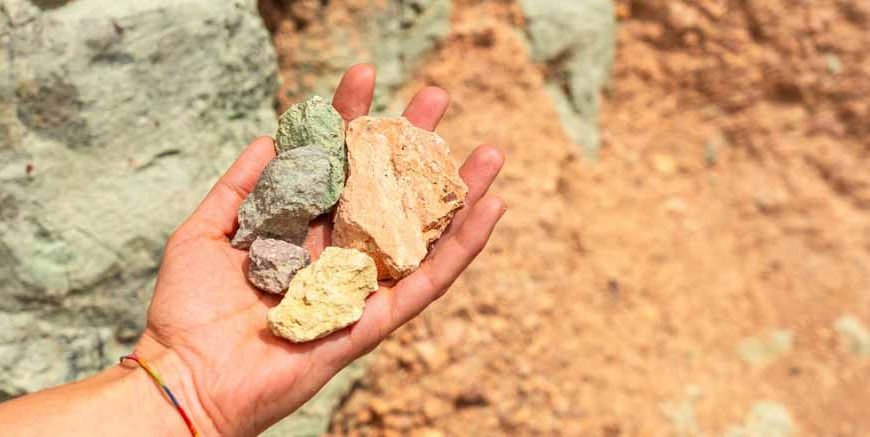
Kids have a funny habit of filling their pockets with random things they find on the floor. It is a universal parenting truth. You do the laundry on a Sunday afternoon and end up pulling a handful of grubby pebbles out of the washing machine drum. While it is incredibly tempting to chuck them straight into the kitchen bin, hold onto one for a second. That boring, grey stone clanking around in your pocket might actually be a tiny piece of ancient history.
The ground we walk on every single day acts just like a massive, physical scrapbook. It keeps a permanent record of what happened on our planet millions of years ago, long before we even existed. Getting children interested in the mud, dirt, and stones right under their boots is a brilliant way to spark a lifelong love for science and the outdoors. So, grab a cup of tea and let’s break down exactly how the planet builds its rocky foundations from absolute scratch.
What is Sedimentary Rock
To kick things off, what is sedimentary rock anyway? Imagine you are making a massive, messy trifle for a family party. You throw in a thick layer of sponge cake, then a layer of custard, maybe some chopped fruit, and finally a big dollop of cream on top. The Earth does something incredibly similar, but instead of sweet pudding, it uses mud, sand, and bits of dead plants.
If a curious kid asks you to define sedimentary rock, the absolute easiest way to explain it is to talk about stacking layers.
Harsh wind, freezing rain, and moving ice constantly bash against giant mountains, slowly chipping tiny pieces away. These tiny bits of grit and dust get washed into fast rivers and are carried all the way down to the bottom of the sea. Over hundreds of centuries, these tiny bits just pile up. The sheer weight of the heavy ocean above squashes all that grit together so hard that it eventually turns into a solid slab. It does not happen overnight. It is a slow, quiet process that takes lifetimes to finish.
Read More – Different Types of Rocks and Their Uses
Sedimentary Rock Definition
If you need something a bit more official for a school homework project, you might be wondering what is the definition of sedimentary rock exactly. In a proper science classroom, the sedimentary rock definition is a type of rock formed by the gradual accumulation and compression of small particles, sand, and dissolved minerals, usually trapped right at the bottom of a body of water.
Let’s sort out some essential sedimentary rocks information into a quick, easy-to-read list so your child can easily memorise how it all works:
- Weathering: Huge, solid rocks get smashed into microscopic grains by freezing winter weather and harsh winds.
- Erosion: Fast-moving rivers and heavy sliding glaciers push those tiny grains miles away from where they originally started.
- Deposition: The travelling sand and dirt get tired, lose their speed, and drop to the dark bottom of a quiet lake or ocean.
- Compaction: Millions of years of heavy water squash the layers so tightly they glue together into a brand new, solid stone.
Types of Rocks You Can Find Outside
You don’t need to drag the whole family to a fancy natural history museum to spot these. Once you know what you are looking at, you will start seeing them everywhere you go.
- Sandstone: Grab a piece of this and run your thumb firmly over it. It feels exactly like a rough piece of sandpaper from a DIY shop. That is because it is literally ancient beach sand glued together over time. You usually spot it in lovely, warm shades of orange, red, or pale yellow.
- Limestone: This one is brilliant but slightly gross when you think about it. It is mostly made from crushed seashells, dead coral, and the tiny skeletons of sea bugs that piled up on the ocean floor ages ago.
- Shale: A very smooth, flaky stone that comes from squashed mud and wet clay. Because it is built from such soft, fine stuff, it is usually the absolute best place to hunt for perfect dinosaur footprints or fossilised fern leaves.
- Conglomerate: This looks exactly like a chunky chocolate chip cookie. It is basically a mishmash of large pebbles and small stones all glued together by a natural, muddy cement.
Read More – Exploring Rocks and Minerals
Uses of Sedimentary Rocks
These layered stones do far more than just look pretty sitting on a beach. The everyday uses of sedimentary rocks are actually quite shocking when you start paying proper attention to your surroundings.
For hundreds of years, talented builders have chopped giant blocks of limestone and sandstone out of the earth to build heavy castles, bridges, and grand city cathedrals. They choose them because they are tough enough to survive terrible weather but soft enough to carve into neat, square blocks.
That dusty white chalk your child’s teacher uses to write math problems on the blackboard? That is just a really soft, crumbly version of limestone. The cement powder sitting in a bag at the building site down the road is also made by crushing and heating limestone in a massive furnace.
Even the electricity running through your house relies on this natural process. Coal is a sedimentary rock completely made from ancient, swampy forests that died, rotted, and got squished millions of years ago. We literally dig up and burn crushed history to keep our kettles boiling and our living rooms warm in the freezing winter.
Read More – Facts About the Layers of the Earth for Kids
Conclusion
The very next time your child hands you a grubby pebble they found in the local park, take a proper, close look at it. It is pretty amazing to think that a boring bit of grey gravel might hold the crushed remains of an ancient sea or a thick tropical jungle from a time long before humans even existed. The planet never actually throws any of its rubbish away; it just squashes it down, glues it together, and saves it for us to dig up later.
Teaching kids about the ground they walk on shows them just how massive, old, and truly fascinating nature really is. It turns a boring walk to school into a proper geological treasure hunt. To find more engaging ways to support your child’s early education, read the latest articles on the EuroKids Blog and secure their vibrant learning journey today through EuroKids Preschool Admission.
FAQs
Where is the best place to find these stones?
Look near the water! Riverbanks, rocky beaches, and old dried-up streams are the absolute best places to go rock hunting because these stones are mostly formed by water moving dirt around.
Can you easily find fossils inside them?
Yes, absolutely. Because they are formed by gentle layers of mud slowly piling up, they are completely perfect for trapping and preserving ancient bugs, fish, leaves, and shells without crushing them to dust.
Why do they always have different coloured stripes?
The different coloured stripes show the different layers of dirt settling down over time. A dark brown stripe might mean a very muddy year, while a pale yellow stripe could be pure sand washing in from a dry desert.