Every parent knows the exact drill. You turn your back for five seconds at the local park, and suddenly your kid is crying over a scraped knee. Out comes the plaster from your bag, and there is that familiar red dot. To a child, it is just a messy inconvenience. But what happens if we take a second to look a bit closer?
Giving kids a proper introduction of blood completely changes how they see their own bodies. It takes them from saying “yuck” to saying “wow” pretty quickly. It isn’t just a simple red puddle; it is a massive, non-stop transport system keeping them alive while they run around playing tag. Let’s drop the boring medical jargon and talk about how this amazing internal plumbing actually works.
The Weird and Wonderful Basics
Before we look at the tiny microscopic bits, we need to understand the physical characteristics of blood. It is totally unique. Your heart is solid muscle, your lungs are basically squishy air balloons, but this is the only tissue in the entire human body that is a flowing liquid.
If you’ve ever had to clean a grazed elbow, you know it is thicker than normal tap water and slightly sticky. It is also surprisingly warm. It naturally sits at around 38 degrees Celsius, which is slightly hotter than your normal body temperature on the outside. This is actually a brilliant piece of biology.
It acts exactly like the hot water running through the radiators in your house, spreading warmth to your fingers and toes on a freezing winter morning so you don’t turn into an icicle. Also, the amount you have changes as you grow up. A tiny newborn baby only has about a single cup of it, a primary school kid carries about two litres, and a fully grown adult has roughly five whole litres sloshing around inside them.
Read More – Circulatory System Explained for Kids
What Actually Makes Up the Red Stuff?
If you were to ask a classroom of seven-year-olds to name the various components of blood, they would probably just yell out “red water!” But the reality hiding under a microscope is much more interesting than that.
Imagine you took a tiny glass tube of it from the doctor’s office and spun it around incredibly fast in a special machine. The heavy parts would sink straight to the bottom, and the lighter parts would float at the top. It would split into completely different, distinct layers. These layers are the main components of blood.
You have the watery pale bit at the top, the white layer in the middle, and the heavy red layer at the bottom. The scientists call these parts plasma, red blood cells, white blood cells, and platelets. Every single part has a very specific job to do, and they never stop working for a second.
The Daily Shift: Who Does What?
When children ask about blood and its function, the absolute easiest way to explain it is by comparing the human body to a busy, bustling city. If we sit down and write the functions of the components of blood, it reads exactly like a city council timetable. Here are the components of blood and their functions laid out in a way that actually makes sense:
Plasma (The Flowing River)
This is the pale, yellowish liquid that makes up more than half of the whole mixture. It is basically the river that carries everything else around the city. When your child eats a healthy dinner, the plasma sweeps up all the good nutrients from their tummy and carries them to the muscles and organs that need energy. It also carries important chemical messages called hormones, and washes away the rubbish and waste down to the kidneys to be filtered out into urine.
Red Blood Cells (The Delivery Vans)
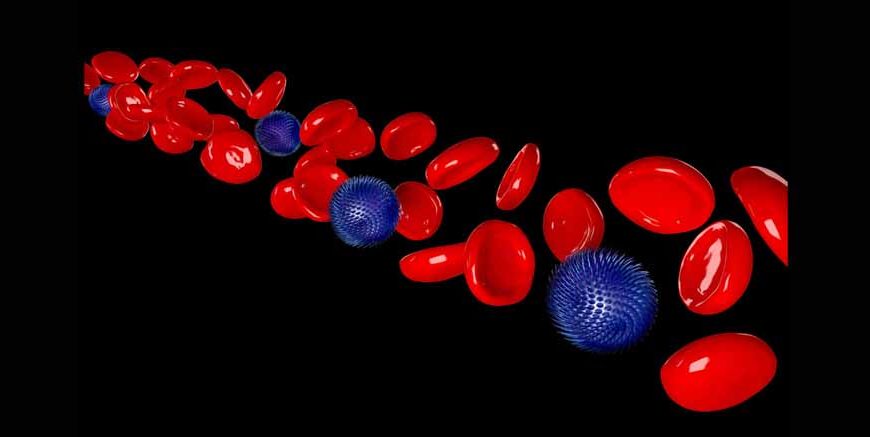
These are the busy delivery drivers of the body, and there are millions of them. They are the reason the liquid is so blindingly red. They pull up to the lungs, grab a load of fresh oxygen, and rush it down the pipes to feed the leg muscles so your kid can run fast. Once they drop the oxygen off, they pack up the toxic carbon dioxide waste and take it back up to the lungs so you can breathe it out. They are packed with a special protein called haemoglobin. This protein holds onto actual iron, which is what chemically grabs the oxygen and gives the cells their bright red colour.
H3- White Blood Cells (The Army)
Think of these guys as the immune system’s private army. There are far fewer of them compared to the red cells, but they are incredibly tough. If a nasty playground bug or a winter cold virus sneaks into the body through a sneeze or a dirty cut, these white cells rush to the scene. Some of them literally swallow the germs whole to destroy them, while others fire microscopic chemical weapons (antibodies) to kill the invaders and help your child get better.
Platelets (The Builders)
These are the emergency repair crew. When your kid falls off their scooter and cuts their chin, they break a tiny blood vessel. The platelets instantly rush to the broken pipe. They stick tightly together like glue, piling up on top of each other to weave a biological patch. We call this patch a scab. This quick patch job stops the bleeding and keeps the dirt out while the skin slowly heals underneath.
Read More – Teaching Human Body Systems to Students
Mind-Boggling Science Facts Kids Will Love
Kids love things that are slightly gross and weird. Learning dry anatomy from a whiteboard is boring, so here is a list of totally fascinating facts you can throw at them on the walk to school to show them how clever their biology is:
- It tastes like pennies: If you have ever accidentally bitten your lip and tasted it, you know it tastes distinctly metallic. That is because of the literal, physical iron hiding inside your red delivery vans!
- Racing speed: The human heart is such an unbelievably strong muscle that it pushes the liquid with massive force. A single drop can leave the heart, travel all the way down to a big toe, and return all the way back up to the chest in under sixty seconds.
- Millions made every second: Your red delivery vans get physically battered as they bounce around your veins. They get tired and break down after about four months of hard work. To keep the transport network running without crashing, the squishy marrow inside your heavy bones pumps out roughly two million brand-new red cells every single second of your life.
- Brainless workers: To make as much room as physically possible to carry oxygen, red blood cells do something crazy as they grow. They actually spit out their own nucleus (the brain of the cell) so they can fit more oxygen inside their tiny bodies.
- High altitude tricks: If you travel up to a really high mountain where the air is very thin, your body logically fixes the problem. Your kidneys notice the lack of oxygen and shout at your bones to make millions of extra red cells, so you can still catch enough oxygen from the thin air to survive comfortably.
Wrapping Up
The human body is absolutely brilliant, isn’t it? That annoying little scrape on the knee is actually a fantastic window into a massive, non-stop biological operation. From rushing oxygen to the brain for a maths test to fighting off a nasty winter cough, the whole system is an absolute miracle of natural engineering.
It makes you stop and think: if our bodies can quietly run a transport, repair, and defence network in this complex without us even noticing, what else are these kids truly capable of? We just need to give them the right tools to understand the world around them. Help keep your child’s natural curiosity alive and kicking by checking out the parenting tips on the EuroKids Blog, and get their brilliant learning journey started today with EuroKids Preschool Admission.
FAQs
Why do my veins look blue through my skin?
This is a really common question! The liquid inside is absolutely always red. The veins just look blue or green on the back of your hand because of a lighting trick. The fat under your skin absorbs the red light and only lets the blue light bounce back to your eyes.
Can your body ever run out of it?
If you lose a little bit from a normal cut, your bones will just make more to replace it within a few hours. But if you lose a lot in a big accident, doctors at the hospital have to give you a transfusion from a healthy donor to top you back up.
Do bugs have red blood too?
Most insects actually don’t! Because they don’t use iron to carry oxygen like we do, their internal liquids are usually a strange yellowish or pale green colour.