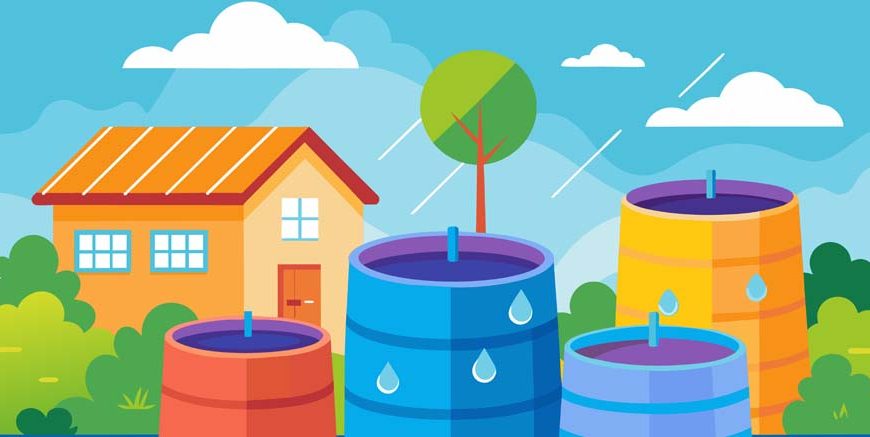
Look out the kitchen window during a massive summer downpour. Thousands of litres of fresh, clean water are violently smashing against the roof, sliding rapidly down the plastic gutters, and rushing straight into the muddy street drains. It simply vanishes in a matter of minutes. We spend hours during the dry months desperately waiting for the garden grass to turn green again, yet we let the sky’s absolute best free gift wash completely away.
Instead of letting all that brilliant liquid escape down the pavement, we can actually catch it, store it, and use it later when the hot summer sun bakes the ground totally dry. Teaching young children how to trap and reuse this precious natural resource turns a boring, gloomy rainy afternoon into a highly exciting conservation mission. Let us dive into exactly how we can pull this off safely right in our own back gardens.
Understanding the Magic of rainwater harvesting
If you break the phrase down for a child, it sounds a little bit like traditional farming. Just as a busy farmer waits patiently all year to harvest a massive crop of juicy apples, we can actively set up our gardens to wait and catch the rain. At its absolute core, rainwater harvesting is simply the smart, ancient practice of collecting the water that falls directly onto rooftops, driveways, or concrete patios, and storing it safely in massive tanks or deep wooden barrels instead of just letting it run off into the dirty local sewer system. For a curious young child, you can explain it exactly like putting a giant piggy bank outside on the grass, but instead of saving heavy metal coins, you are hoarding precious liquid gold for the garden.
Read More – Benefits of Using Rainwater in an Indoor Garden
The Real Importance of water harvesting
You might realistically be thinking that water falls from the sky completely for free anyway, so why should we bother hoarding it in plastic tubs? The harsh truth is, clean freshwater is becoming incredibly rare across the globe. When local families practice regular water harvesting, they immediately reduce the massive, heavy strain on the local town supply. Pumping, chemically cleaning, and piping water to millions of separate houses takes a ridiculous amount of electrical energy and resources.
By simply collecting what naturally drops onto our roofs, we drastically cut down our family’s carbon footprint. Plus, garden plants absolutely love it. The stuff coming directly out of the sky is completely free of the harsh chemical treatments and heavy chlorine regularly found in our indoor tap water, making it the ultimate, highly nutritious health drink for your backyard vegetables and blooming flower beds.
Clever water harvesting methods You Can Try at Home
You absolutely do not need to hire expensive engineers or dig a massive, ugly concrete hole in your front lawn to get started. Teaching practical rainwater harvesting for kids works best when you keep the tools incredibly simple and highly visual. Here is a brilliant, hands-on list of straightforward water harvesting methods your family can easily set up this weekend:
- The Classic Rain Barrel: This is the easiest trick in the book. Place a large, clean plastic barrel directly underneath the bottom opening of your roof’s gutter pipe. You must cover the top with a tight wire mesh screen to keep the pesky breeding mosquitoes and dead autumn leaves completely out. Every time a heavy storm rolls in, the barrel fills up rapidly. Kids can easily use a small plastic watering can to scoop the water out for the thirsty flower beds later in the week.
- The Bucket Brigade: If you want a completely zero-cost, immediate method, just hand your kids a few colourful plastic buckets right before a heavy afternoon shower. Let them place the buckets strategically around the patio, the lawn, or on top of the garden table. Once the dark storm passes, they can use their newly caught treasure to aggressively wash the family car, scrub their muddy bicycles, or clean their dirty outdoor toys.
- Creating a Sunken Rain Garden: Instead of trapping the liquid in a hard plastic tub, you can actively guide it straight into a sunken patch of soil. Help your children dig a shallow, wide dip in a corner of the garden that naturally collects large puddles anyway. Fill this dip with deeply rooted, highly thirsty local plants and thick mulch. The garden acts exactly like a giant natural sponge, soaking up the excess moisture rapidly and preventing the rest of the lawn from turning into a muddy, unusable swamp.
Read More – Uses of Rains for Kids
Bringing water harvesting for students to Life
Learning about nature and conservation should never just happen while staring blankly at a white chalkboard. When we actively introduce water harvesting for students, we give them a highly practical, messy science project they can touch and control with their own two hands. They can use a ruler to measure exactly how many inches fell during a stormy Tuesday night, calculate how long that supply will keep the school’s tomato plants alive, and observe the entire water cycle functioning in real time.
This active, deeply inquisitive style of early learning is the exact backbone of the Heureka Curriculum. We want children actively pulling the physical world apart to see exactly how the mechanics work, building real-world problem-solving skills rather than just memorising dry, boring facts from a dusty textbook. When a young student physically builds their own collection system, they instantly transform from a passive classroom observer into a fierce, proud protector of the local environment.
Read More – Farming for Kids
Conclusion
To wrap this all up, teaching a child to genuinely value a simple drop of rain completely shifts how they view the vast natural world around them. It teaches them that our planetary resources are incredibly finite, and that even the absolute smallest, wettest backyard project can make a massive dent in a global environmental crisis. The next time the sky turns a dark, bruised purple and the heavy thunder loudly rolls in, do not just shut the curtains, turn on the television, and hide inside. Grab a plastic bucket, head straight out to the patio, and show your children exactly how to catch the sky. It is deeply thought-provoking to realise that the exact same rainwater that hydrated the ancient dinosaurs millions of years ago is still cycling through our thick clouds today, patiently waiting for us to use it wisely. To discover more highly practical ways to fuel your child’s brilliant imagination and explore our unique learning environments, take a quick look through the EuroKids Blog and secure their vibrant educational journey today via EuroKids Preschool Admission.
FAQs
Is collected rainwater actually safe for young kids to drink?
Absolutely not. While it is completely perfect for watering thirsty plants or washing muddy cars, it aggressively picks up bird dirt, dust, and harsh roof bacteria on its way down, making it totally unsafe for human consumption without heavy boiling and industrial filtering.
Do these collection barrels attract breeding mosquitoes in the summer?
They definitely can if you leave them wide open to the warm air. You must always secure a fine, tight wire mesh tightly over the top opening to completely stop flying insects from laying their eggs in the stagnant water.
What happens when the plastic container completely overflows during a massive storm?
Properly installed barrel systems always feature a small overflow valve or a secondary pipe near the top rim. This simply directs the excess, spilling water safely away from your home’s brick foundations and right out into the garden soil.