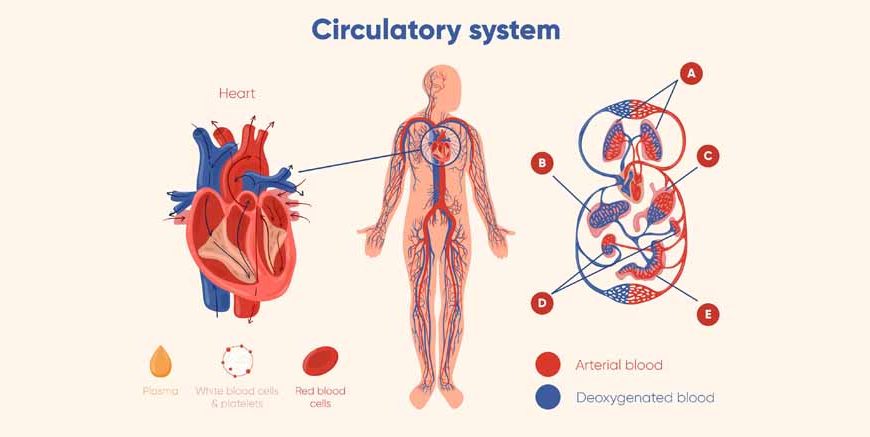
Have you ever wondered how a snack you eat or the air you breathe reaches your toes? It seems like magic, but your body actually has its own super-fast delivery service that works twenty-four hours a day. Imagine a world where the roads never have traffic jams and every package arrives exactly on time. This is the introduction of circulatory system wonders that every child should know.
For parents and students, understanding this system is like finding the blueprints to a magnificent organic machine. It solves the mystery of why your heart thumps when you win a race and how your body stays warm on a chilly day. By looking at the logic of our internal pathways, we can see how nature has designed the perfect transport network to keep us moving and growing.
The Body’s Internal Delivery Network: What is Circulatory System?
When you ask, “what is circulatory system?” you are looking for the secret behind your body’s energy. To put it simply, the circulatory system definition is a vast network of organs and vessels that move blood to every single cell you own. It acts like a non-stop loop of life. This system ensures that oxygen from your lungs and nutrients from your food get to the parts of your body that need them most. Without this constant flow, your brain would not be able to think and your muscles would not be able to play.
To properly explain circulatory system mechanics, you must think of it as a closed-circuit motorway. The blood does not just wander around aimlessly. It follows a very specific path that keeps everything organised. This is why you don’t have to tell your heart to beat or your blood to move. The logic of the system is built into your biology, making it one of the most efficient examples of engineering in the known world. Every heartbeat is a signal that your internal delivery drivers are on their way with fresh supplies.
A Deep Dive: Circulatory System Explanation
A full circulatory system explanation involves three main parts that work as a team. These are the heart, the blood, and the blood vessels. The heart is the strong leader of the group. It is a muscle about the size of your fist that acts as a powerful pump. The blood is the river that carries all the cargo, such as oxygen and tiny bits of food. Finally, the blood vessels are the pipes or tunnels that the blood travels through. These vessels are everywhere, which is why a tiny scratch on your finger still produces a drop of blood.
When we consider what is the function of the circulatory system, we also see it as a clever cleaning crew. As the blood delivers good things like oxygen, it also picks up things the body does not need anymore, like carbon dioxide. This waste is carried back to the lungs so you can breathe it out. This clever design means the main function of circulatory system parts is to keep the “good stuff” coming in and the “bad stuff” going out. It is a perfect cycle that never stops for a single second of your life.
Powering Every Movement: What is the Main Function of the Circulatory System?
If someone asks you, “what is the main function of the circulatory system?” you can tell them it is all about balance. The system keeps your body temperature just right and makes sure your chemicals are level. You might wonder, “what is the primary function of the circulatory system when I am playing football?” The answer is speed. Your heart pumps faster to send extra oxygen to your legs so you can run for longer. This shows that your body is smart enough to change its speed based on what you are doing.
The what is the function of the circulatory system question also covers protection. Your blood contains special soldiers called white blood cells. If you get a germ inside you, the circulatory system acts as a fast-track road to send those soldiers to the fight. This makes the system a vital part of your body’s defence team. It ensures that help is always just a heartbeat away whenever you feel unwell or get a small injury.
The Journey of a Blood Drop: A Step-by-Step Guide
Let us take a trip through your body as if you were a tiny drop of blood. You start your journey on the right side of your heart. First, you get pumped to the lungs to fill up on oxygen. Now that you are bright red and full of energy, you head back to the heart. This time, you go to the left side. With a mighty squeeze, the heart sends you flying out into the aorta, which is the biggest road in your body.
From the aorta, you travel into smaller and smaller tunnels. These tiny tunnels are called capillaries. They are so small that you have to move through them in a single file. This is where you hand over the oxygen to a cell and pick up its waste. Once your job is done, you turn around and head back through the veins. You return to the heart, ready to start the whole amazing journey all over again.
Fascinating Insights: Fun Facts About the Circulatory System
There are so many fun facts about the circulatory system that seem almost impossible. For example, your heart beats about one hundred thousand times every single day. If you live to be eighty years old, your heart will have beaten over three billion times. That is a lot of hard work for one muscle.
Another great fact is about the length of your blood vessels. If you could take all the vessels out of one child and tie them together, they would be sixty thousand miles long. This means your internal roads are long enough to go around the whole world twice. Also, your blood is actually a liquid tissue. Even though it looks like just a red drink, it is filled with living cells that have very important jobs to do.
The EuroKids Perspective: Nurturing Scientific Curiosity
At EuroKids, we believe that children are natural explorers who love to find out how things work. We want to help them understand the wonders of their own bodies through fun experiments and stories. This is why our schools use the Heureka Curriculum, which focuses on discovery-based learning to make science feel like a grand adventure. By encouraging this curiosity early on, we help children build a strong foundation for a lifetime of learning and health.
Conclusion
Learning about the heart and the blood is just the start of a journey into the amazing world of biology. It helps children respect their bodies and understand why eating well and staying active is so important. If you are looking for a place where your child can explore these topics in a fun and safe way, the EuroKids Admission office is ready to help you. Our schools provide the perfect environment for young minds to flourish. We also invite you to visit the EuroKids Blog section for more articles that make learning about the world simple and exciting for the whole family.
Frequently Asked Questions
Is my blood really blue inside my body?
No, your blood is always red. When it has lots of oxygen, it is bright red. When it has less oxygen, it is a darker red. It only looks blue through your skin because of the way light hits your veins.
How big is my heart?
For most children, the heart is about the same size as their fist. As you grow bigger, your heart grows with you so it can keep up with your bigger body.
Why can I feel my pulse in my wrist?
Your pulse is the throb of your heart pumping blood through your arteries. Every time your heart squeezes, it sends a wave of pressure that you can feel with your fingers.
What happens if I get a cut?
When you get a cut, special parts of your blood called platelets rush to the area. They stick together to form a plug, which turns into a scab to stop the bleeding and let your skin heal.
Does my blood ever stop moving?
Your blood never stops moving as long as you are alive. Even when you are perfectly still or fast asleep, your heart keeps pumping to keep you healthy.