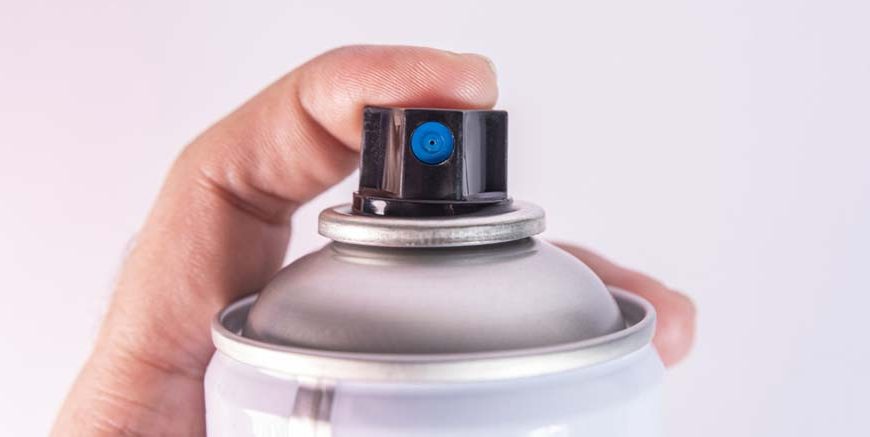
Have you ever tried to open a sliding glass door that hasn’t moved in months? You pull, you tug, and you strain, but it stays stuck fast. Or perhaps you’ve spent an entire morning trying to get a rusty old padlock to turn, only for the key to bend under the pressure. These are classic household frustrations that usually end with a very cross parent rummaging through the garden shed in search of a miracle.
In the world of DIY and home maintenance, that miracle usually comes in a handy, pressurised metal can labelled silicone spray. It is basically liquid magic for anyone who likes fixing things. Today, we are going to look at why this slippery, invisible helper is arguably the most useful tool you can keep on your shelf.
Understanding the Slick Science
Before we talk about fixing squeaky hinges, let’s quickly break down exactly what this stuff is. Silicone spray is a versatile, water-resistant lubricant. Unlike traditional oils or thick, sticky greases that can turn into a nasty, black, dirt-attracting mess, this spray goes on clear and stays that way.
Think of it like applying a microscopic layer of invisible butter to a surface. Once the liquid carrier evaporates, it leaves behind a thin, slick coating that makes two surfaces glide over each other without any friction at all. Because it is chemically inert, meaning it doesn’t like to react with other materials, it won’t rot your rubber seals or rust your shiny metal tools. It is effectively a do-it-all solution for anything that sticks, rubs, or grinds.
Read More – Fascinating Science Facts for Kids
Why Every Household Needs It
Why choose this over the heavy, gloopy oil you might find in an engine garage? The primary benefit is its cleanliness. Thick oils tend to act like a magnet for dust and garden grit. If you oil a gate hinge with engine oil, it will attract dirt, turn into a grinding paste, and actually damage the metal over time. The spray, however, dries to a non-sticky finish. Dust doesn’t cling to it, meaning your parts stay cleaner and work smoother for much longer.
Furthermore, it is entirely waterproof. If you live in a place where it rains every other day, you know that water is the mortal enemy of all metal mechanisms. This spray acts like a protective raincoat, sealing the surface so moisture cannot get in and start the process of rust.
Everyday silicone spray uses
If you are wondering what you can actually do with a single can, the list is surprisingly long. Here are the most practical silicone spray uses that will save you time and frustration:
- Saving Sticky Doors: Sliding doors and windows often get clogged with tiny bits of grit. A quick spray along the track will make them glide open as if they are brand new.
- Silencing Squeaky Hinges: The next time a door in your house starts wailing like a ghost, don’t use kitchen oil. A tiny burst of this spray will silence the squeak instantly without leaving a messy, oily drip on the carpet.
- Protecting Garden Tools: After you finish digging up the flowerbeds, give your spades and shears a quick wipe with the spray. It stops them from rusting away in the damp shed, meaning they’ll be ready for work next spring.
- Reviving Zips: If your favourite winter coat has a zip that constantly gets stuck halfway up, rub a little bit of the spray along the teeth. The slider will zip up and down perfectly smoothly.
- Waterproofing Shoes: You can use it as an emergency layer of protection for leather or fabric shoes. It won’t turn them into wellies, but it will certainly help water bead up and roll off during a light shower.
- Rubber Seal Care: Car door seals often crack or freeze shut in the dead of winter. Keeping them lightly coated prevents them from drying out or sticking to the frame when the temperature drops.
Read More – Preschool Science Experiments at Home for Kids
Knowing When to Choose silicone grease use
While the spray is brilliant for quick fixes and reaching into tight gaps, sometimes you need something with a bit more staying power. This is where silicone grease use comes into the picture.
The spray is a liquid that flows easily, making it perfect for spraying deep inside a tight keyhole. However, because it is thin, it can sometimes wear off if the part is used heavily every single day. The grease, on the other hand, is a thick, jelly-like paste. It stays exactly where you put it. If you have a high-traffic gate hinge that gets opened fifty times a day, or the plastic gears inside a small toy motor, you want the grease. It provides a heavy-duty cushion that won’t run off or evaporate, even when things get hot or start moving really fast.
Important Safety Tips for Kids
Since this stuff is so slippery, it is important to be a bit careful. If you accidentally spray it on a smooth kitchen tile or a wooden floor, that spot will become as slippery as an ice rink. Always spray the part carefully while holding a rag behind it to catch any extra drips. And, of course, because it comes in a pressurised can, it should always be treated with respect. It is a tool for adults to maintain the house, not a toy for children to play with. Always keep these cans safely stored in a locked shed or a high cupboard, well out of reach of little hands.
Read More – Science Quiz Questions and Answers for Kids
Why We Should Maintain, Not Replace
In our modern world, we have developed a bit of a ‘throw-away’ culture. If a chair wheel gets stuck or a drawer refuses to open, it is very tempting to just bin the furniture and buy something new. But keeping these simple maintenance products on hand changes that mindset entirely.
Taking five minutes to clean a track and apply a little bit of lubricant isn’t just about saving a few pounds; it’s about taking responsibility for the things we own. It teaches us that most things aren’t ‘broken’, they are just a little bit tired and need a bit of care. This is a brilliant lesson to pass on to the next generation. If we teach our children to fix their broken toys and maintain their own bikes, we are teaching them to value what they have.
Conclusion
It’s funny to think that a simple, invisible layer of liquid can have such a massive impact on our daily comfort. We rarely notice when things are working perfectly, but we certainly notice the moment a door handle sticks or a zip jams. Keeping a can of this slick, water-resistant wonder in your toolbox isn’t just about fixing the small problems; it’s about ensuring our homes run a little more quietly and smoothly every single day. It reminds us that often, the most effective solution isn’t a complex, expensive replacement, but a little bit of clever, preventative care. For more useful household tips, fun scientific explanations for curious minds, and educational resources, do explore the EuroKids Blog, and discover a world of joyful learning through EuroKids Preschool Admission.
FAQs
Is it safe to use on wooden floors?
Absolutely not! If you accidentally spray it on a wooden, tile, or laminate floor, it will make the surface dangerously slippery. Always use a rag to catch any overspray.
How does it differ from traditional oil?
Traditional mineral oils are thick, can attract dirt and dust, and often contain chemicals that can rot rubber parts. This spray is non-sticky, attracts no dust, and is perfectly safe for rubber seals.
Can it be used on electrical components?
Generally, yes, as it is non-conductive, but you should always check the specific label on the can first. It is often used to prevent corrosion on battery terminals in toys and torches.
When should I choose grease over spray?
Use the spray for quick jobs, reaching deep into tight cracks, or lubricating delicate moving parts. Use the grease for heavy-duty, long-term lubrication where you need the coating to stay put for months.