Have you ever placed your hand flat against the centre of your chest after running around the garden and felt that heavy, rhythmic thumping? If you listen closely, or use a doctor’s stethoscope, that steady beat is one of the most magical sounds in the entire world. It is the sound of your body’s ultimate champion working incredibly hard to keep you moving. When we look at the basic heart definition and function, the concept is remarkably straightforward. It is a highly powerful, incredibly tough muscular pump that sits right in the middle of your chest, tilted slightly to the left, and is roughly the exact size of your clenched fist. Its sole purpose is to constantly push blood through an endless maze of tubes inside your body, never once stopping for a rest. Let us take a journey inside to see exactly how this biological engine works.
Understanding the Human Heart Function
To truly grasp the human heart function, you need to imagine a massive, bustling city with thousands of busy delivery vans zooming around the streets. In your body, the blood acts as the delivery van, and your organ is the central dispatch station sending them all out on their routes.
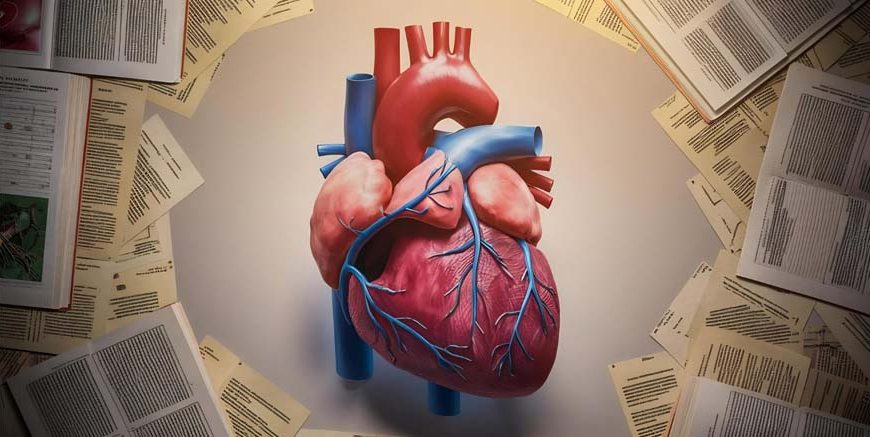
The structure is divided into four separate rooms, known as chambers.
The top two rooms are called the atria, acting as the receiving bays where blood comes in from the rest of the body. The bottom two rooms are the ventricles, serving as the powerful shipping bays that squeeze tightly and push the blood back out. Between these rooms are tiny doors called valves that only open in one direction, ensuring the blood never accidentally flows backwards.
It works in a continuous, brilliant loop. The right side takes in old, tired blood and sends it straight to your lungs to pick up fresh oxygen. The left side then receives that bright, oxygen-rich blood and pumps it forcefully out to every single muscle and organ. If you ever need to write a school project about heart in english, just remember this simple cycle: receive, oxygenate, pump, and deliver.
Read More – Body Organs for Kids
The Importance of the Heart
Because this muscle works completely automatically behind the scenes, we often take it entirely for granted. However, the absolute importance of heart health cannot be overstated. Without this relentless, powerful pumping action, our bodies would simply shut down in a matter of minutes.
Your brain needs a massive, constant supply of oxygen just to help you solve a tricky maths puzzle, read a book, or remember the words to your favourite song. Your leg muscles need fresh nutrients to sprint across a football pitch or climb a tree. The blood pushed out by this amazing organ delivers all of these vital supplies.
But it does much more than just deliver food and air. It also acts as a central heating system, keeping your fingers and toes warm on a chilly winter morning by moving warm blood around. Furthermore, it serves as a rubbish collection service and a defence team. As the blood travels back through your veins, it picks up waste products to carry away. It also transports special white blood cells to fight off germs whenever you get a scraped knee or a winter cold.
Interesting Facts About the Human Heart
Children absolutely love massive numbers, so let us dive into some truly mind-boggling facts about the heart. You might be surprised to learn that a child’s pulse is actually much quicker than an adult’s. While a grown-up’s chest ticks along at a calm 70 beats per minute, a young child’s can race anywhere between 90 and 120 times a minute, especially when they are playing outside!
Here are a few more interesting facts about human heart activity that will definitely impress your teachers. Did you know it beats roughly 100,000 times in a single day? If you live to be a wise old grandparent, that tiny muscle will have been beaten over two and a half billion times. The energy it creates every single day is enough to drive an average lorry for nearly twenty miles. Additionally, it has its very own electrical system, meaning it can actually continue to beat for a short time even if separated from the body, as long as it has a supply of oxygen. Gathering this kind of fascinating heart information turns a dry biology lesson into a brilliant story of physical endurance.
Read More – Teaching Human Body Systems to Students
Keeping the Heart Healthy
Learning all this brilliant heart information in English is only useful if we actually apply it to our daily routines. Just like a high-performance sports car, this muscular pump needs the right fuel and proper maintenance to avoid breaking down as we get older.
Eating a rainbow of crunchy vegetables, swapping sugary fizzy drinks for cool water, and getting plenty of deep sleep are the basic rules of maintenance. Most importantly, it desperately needs physical exercise. Running, skipping, swimming, and climbing make the muscle much stronger and far more efficient.
The Heureka curriculum is built around this exact kind of active, experiential learning. It encourages children to step away from digital screens and actively explore the physical world, helping them understand that taking care of their own biology is the very first step in scientific discovery. When kids realise they are the mechanics of their own bodies, they naturally make much healthier choices.
Conclusion
Think about everything you have done today. You woke up, ate a tasty breakfast, perhaps ran for the school bus, laughed with your friends, and learned something entirely new. Through every single second of that grand adventure, a small muscle in your chest was quietly keeping you alive. It is a masterpiece of natural engineering that never asks for a break.
But here is something rather thought-provoking to leave you with: does the hardest working muscle in your body ever actually get to sleep? The beautiful truth is that it rests for just a fraction of a second in the tiny, silent pause between every single beat. It finds its peace in the rhythm of the work itself. To discover more wonderful ways to spark your child’s daily curiosity and help them thrive, have a read of the EuroKids Blog and secure their educational journey today through EuroKids Preschool Admission.
FAQs
How big is a human heart?
If you curl your hand into a tight fist and place it against the centre of your chest, that is roughly the exact size and location of your own beating heart.
Why does my heart beat faster when I run?
When you exercise, your muscles suddenly need a lot more oxygen to keep moving. Your internal pump has to work much faster to deliver that extra oxygen quickly through your bloodstream.
What are the tubes connected to the heart called?
They are called blood vessels. Arteries are the thick, strong tubes that carry fresh blood away to your body, while veins are the softer tubes that carry the used blood back.