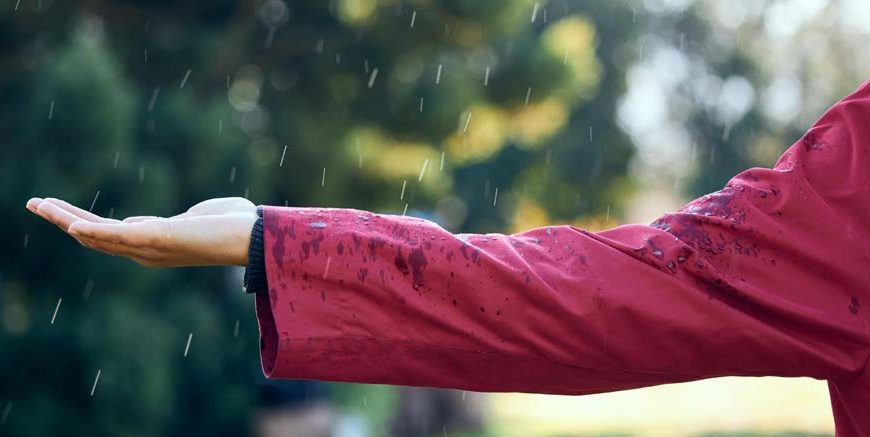
We all absolutely love a massive, bright sunny day when the summer holidays finally roll around. It usually means endless hours running around the local neighbourhood park, melting fruit lollies on the hot pavement, and dragging zero heavy winter coats around. Sunshine feels like the ultimate prize after a long, cold winter. But too much of a good thing quickly turns into a massive, highly dangerous problem.
Imagine waking up to that exact same blistering heat every single day for months on end, with not a single grey cloud in sight. The garden grass turns crispy and brown. The local river shrinks into a sad, muddy puddle. Let us explore exactly how the natural world desperately relies on those gloomy, grey stormy afternoons to survive, and uncover the messy, dusty reality of a world without falling water.
The immediate reality: what will happen if it does not rain?
If a curious child tugs your sleeve during a dry summer and asks, what will happen if it does not rain, the absolute best way to explain it is by looking directly at their dinner plate and their bathroom tap. Water does not just magically appear inside the kitchen plumbing by accident. It falls heavily from the sky, soaks deep into the dark soil, and fills up the massive underground reservoirs we rely on every single day. When the sky stays totally blue and empty for far too long, the earth acts exactly like a giant, thirsty kitchen sponge that has been left out on a hot radiator.
First, the green, lush parks turn into dusty, hard deserts. The beautiful tall trees start aggressively shedding their green leaves right in the middle of summer just to conserve whatever tiny bit of moisture they have left inside their heavy trunks. Then, the local wildlife starts to panic. Birds, foxes, and tiny garden bugs suddenly cannot find a simple, clean puddle to drink from. This forces them to travel dangerously far from their natural woodland homes, often wandering into busy city streets just to survive the blistering afternoon heat. The dirt cracks open, the air feels heavy with dust, and the entire landscape starts to look incredibly tired and pale.
Read More – Explore What Causes Natural Disasters
The massive impact of a severe lack of rainfall
A temporary dry spell for a week or two is just a bit annoying for the garden, but a prolonged, severe lack of rainfall creates a highly dangerous natural situation called a drought. This is exactly where things get genuinely serious for the human world. We do not just use water to wash our dirty cars, flush the toilets, or fill up plastic paddling pools in the backyard. We need massive, mind-boggling amounts of it just to grow the basic food we eat every single day.
Picture a hardworking farmer standing in a massive field of tall wheat.
Without regular, heavy downpours, that soft dirt turns into cracked, hard clay. The freshly planted seeds completely fail to sprout. The green vegetables shrivel up on the vine, and the heavy fruit drops off the orchard trees long before it ever gets sweet and ripe. Suddenly, the massive supermarkets have far less food to put on their empty shelves. When food becomes highly scarce, the price of a simple loaf of bread, a bag of crunchy carrots, or a carton of fresh milk shoots right up, making it incredibly difficult for normal families to buy their weekly groceries.
Read More – How Rain Is Formed for Kids
How plants and animals actively survive the dry heat
Nature is incredibly stubborn and remarkably clever. When the rain suddenly stops falling, the wild plants and animals do not just give up instantly. They use brilliant, hidden survival tricks to fight through the desperately dry months. Here is exactly how the wild world reacts when the water disappears:
- Going to sleep early: Many frogs, toads, and tiny insects bury themselves deep under the thick mud and enter a heavy, protective sleep called aestivation, waiting patiently for the damp weather to finally return.
- Closing the doors: Plants actually have tiny, invisible mouths on their green leaves called stomata. During a severe dry spell, they snap these little mouths tightly shut to completely stop their internal water from evaporating into the hot, baking air.
- Digging incredibly deep: Certain massive trees will rapidly grow their heavy roots metres down through the hard rock, desperately searching for hidden underground water supplies that the hot sun cannot easily reach.
- Moving house entirely: Large herds of wild animals, like elephants or deer, will suddenly migrate hundreds of miles, abandoning their usual comfortable territories entirely to aggressively track down a flowing river.
How we can help when the sky stays completely blue
Kids often feel completely helpless when learning about massive environmental problems. But they can actually act as the fiercest water protectors in the entire household. It starts with incredibly simple, boring daily habits. Turning the bathroom tap off tightly while aggressively brushing their teeth saves gallons of clean water every single week. Collecting the cold water that runs from the shower while waiting for it to heat up, and using that exact bucket to water the thirsty house plants, is a brilliant little trick. Even taking the leftover water from their drinking glass and pouring it into the dog’s bowl instead of throwing it down the kitchen sink makes a tiny difference.
Teaching children to deeply respect natural resources rather than just taking them blindly for granted is a massive part of growing up. We strongly believe in nurturing this exact type of active, thoughtful environmental awareness through the Heureka Curriculum. When a child learns exactly how the natural world connects together, they naturally grow into highly responsible, empathetic adults who actively care for their local environment rather than just ignoring it when things get tough.
Read More – Understanding Global Warming for Kids
Conclusion
It is a deeply thought-provoking reality that our entire, bustling modern world relies entirely on tiny drops of water falling quietly from the clouds. We build massive, towering skyscrapers, invent lightning-fast computers, and fly huge aeroplanes across the globe, yet we are completely and utterly powerless if the sky simply decides to stay dry. A world without rain is a silent, dusty, hungry place. Learning to actually celebrate those gloomy, wet afternoons teaches kids a crucial, grounding lesson in raw gratitude. The next time a heavy thunderstorm ruins a trip to the local playground, remind them that the loud, messy rain is simply the planet taking a massive, much-needed drink to keep us all alive. To discover more brilliant ways to satisfy your child’s endless curiosity and explore our unique approach to early education, read the latest articles on the EuroKids Blog and secure their vibrant educational journey today via EuroKids Preschool Admission.
FAQs
Why doesn’t it just rain every single night to keep the grass green?
The weather relies on a massive, complex global cycle of evaporation and wind currents. Sometimes the wind simply pushes the heavy, wet clouds far away from certain geographic areas for months at a time, causing a totally natural dry spell.
Can we just drink the ocean water if all the local rivers completely dry up?
Ocean water is packed heavily with salt, making it totally unsafe to drink directly. Removing that salt in massive factories is incredibly expensive and uses a ridiculous amount of electrical energy, so it is never a fast, easy fix.
Do massive, sandy deserts ever get any rain at all?
Yes, they definitely do! Even the absolute driest, hottest deserts on earth usually get a tiny, sudden downpour once or twice a year. This rare water causes dormant desert flowers to aggressively bloom in bright colours for a few short, beautiful days.