Peel a ripe, yellow banana after a tiring game of football, and you are taking a massive bite out of one of the most fascinating scientific mysteries on the planet. Most children know that eating certain fruits is good for their tired muscles, but they rarely know the actual name of the hidden chemical doing all the hard work.
Then, later that evening, you might stand in the back garden and watch a bright, dazzling purple firework explode high in the night sky. It seems entirely impossible, but that sweet yellow fruit and that loud, colourful rocket actually share a brilliant, invisible secret ingredient.
If you are eager to find some genuinely interesting potassium information, you have definitely landed in the right place. This incredible substance works completely silently in the background of our daily routines. It keeps our hearts beating properly, it helps giant farm fields grow, and it even keeps our modern technology running smoothly. Let us dive deep into the wonderful, hidden world of the potassium element and discover exactly why it is so overwhelmingly crucial to life on Earth.
Let us define potassium
To provide a really clear, easy-to-grasp potassium definition for young students, we need to look closely at the fundamental building blocks of the universe. If you ask a laboratory scientist to define potassium, they will happily tell you that it is a highly reactive alkali metal that naturally exists right across the planet.
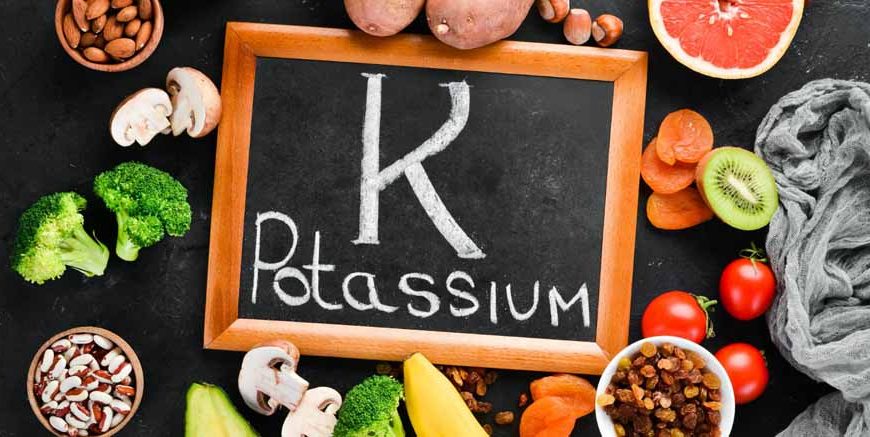
When you start digging for information about potassium element, one of the funniest historical facts you will uncover is the origin of its name. The English word actually comes from ‘potash’, which was a very old, messy household method of soaking burned plant ashes in giant iron pots of water to create cleaning materials. However, if you look for the official potassium element symbol on a colourful classroom chemistry chart, you will find the single letter ‘K’. This letter comes from the ancient Latin word ‘Kalium’, which proves that scientific history is a massive mix of different languages and old traditions. Providing this kind of engaging potassium element information helps children understand that science is a brilliant, ongoing global story.
Read More – High Calorie Foods for Underweight Toddlers
The weird and wonderful potassium physical state
When investigating the natural potassium physical state or standard potassium state, things get quite weird. It is technically classified as a solid metal when it sits at normal room temperature. However, it is absolutely nothing like the hard, heavy steel or iron you find on a bicycle frame or a car door.
It is actually so incredibly soft and squishy that you could easily slice a pure, silvery block of it in half using a standard plastic butter knife from your kitchen drawer! The moment you cut into it, the inside is bright and shiny, but it instantly turns a dull grey because it reacts incredibly fast with the invisible oxygen floating in the air.
What is potassium used for: The top 10 list
So, beyond sitting quietly on a dusty laboratory shelf, what is potassium used for in the massive, busy real world? The everyday uses of potassium are incredibly vast, stretching from the hot food sitting on our dinner plates to the massive, roaring industrial factories that build our technology.
While the direct uses of potassium metal in its raw, pure form are quite limited because it reacts violently and dangerously with normal water, it becomes incredibly helpful and safe when it is mixed with other materials. Here is a clear, descriptive list of fantastic potassium examples and daily applications:
1. Growing Healthy Crops:
The absolute biggest use for this material globally is in the farming industry. It is a massive, vital ingredient in agricultural fertilizer, helping hungry crops grow deep, strong roots and successfully fight off nasty plant diseases during the winter months.
2. Keeping Humans Alive:
Your own body relies heavily on it every single second. It acts as a crucial electrical messenger, ensuring your heart beats at a steady rhythm and your tired legs move smoothly without painfully cramping up during a school sports day.
3. Making Liquid Soaps:
When mixed into a highly specific chemical compound, it becomes a brilliant, bubbly base for making the soft, liquid hand soaps and gentle cleaning detergents that we use to scrub our hands every day.
4. Baking Delicious Bread:
Clever bakers frequently use specific, food-safe compounds of this element to help their heavy bread dough rise perfectly in the hot oven, ensuring the final loaf stays wonderfully fresh and soft for much longer on the supermarket shelf.
5. Lighting Up the Sky:
The bright, vivid purple sparks you see during a spectacular summer fireworks display are created entirely by burning specific chemical salts made directly from this exact metal.
6. Creating Strong Glass:
Factory engineers carefully add it to boiling, liquid glass mixtures to make the final, cooled product significantly tougher. This is exactly how they manufacture the incredibly strong, scratch-resistant glass screens for our expensive mobile phones and large televisions.
7. Preserving Tasty Food:
It is widely used across the entire food industry to stop unwanted, fuzzy mould and bad bacteria from quickly growing on our favourite snacks, keeping things like cheese, dried meats, and fruit juices entirely safe to eat.
8. Taking Clear Photographs:
In the old, traditional days of using physical film cameras, artists and photographers relied heavily on these specific chemical compounds to properly develop their stark black-and-white pictures in completely dark rooms.
9. Medical Treatments:
Hospital doctors frequently prescribe liquid syrups or chalky tablet forms of it to poorly patients who have dangerously low levels in their blood, helping to restore their natural physical balance and energy.
10. Scientific Breathing Apparatus:
Professional deep-sea divers and miners working deep underground sometimes wear special, life-saving oxygen masks that rely on this element to safely and quickly absorb toxic carbon dioxide from the damp air they breathe out.
Read More – Healthy Foods to Increase Your Child’s Blood Platelets
Conclusion
It is genuinely thought-provoking to take a step back and realise that the exact same soft, silvery metal that helps a garden tomato grow is also actively keeping your heart beating steadily and making your mobile phone screen tough enough to survive a clumsy drop on the pavement. The natural world is absolutely packed full of these invisible, hard-working building blocks. It brilliantly proves that the greatest, most important treasures on Earth are very often the tiny things we cannot even see with our bare eyes.
By teaching growing children about these incredible natural elements, we open their minds to the brilliant, interconnected chemistry that holds our entire daily routine together. To discover more fantastic scientific facts and to find wonderful, creative ways to nurture your child’s endless curiosity, explore the lovely educational articles on the EuroKids Blog and secure their vibrant learning journey today via EuroKids Preschool Admission.
FAQs
Why do running coaches always tell athletes to eat bananas?
Bananas are famously packed with this specific nutrient, making them a brilliant, quick, and entirely natural snack to help tired muscles recover quickly and stop them from cramping after running around the track.
Is it safe to touch the pure metal with your bare hands?
No, absolutely not. The pure metal is highly reactive and will actually spark, pop, and burn if it simply touches the natural, invisible sweat and moisture resting on your human skin.
Can green plants survive completely without it?
Plants absolutely need it to survive in the wild. Without it, their lush green leaves quickly turn a sickly yellow and dry out, and they completely lose their natural ability to absorb fresh rainwater from the soil.