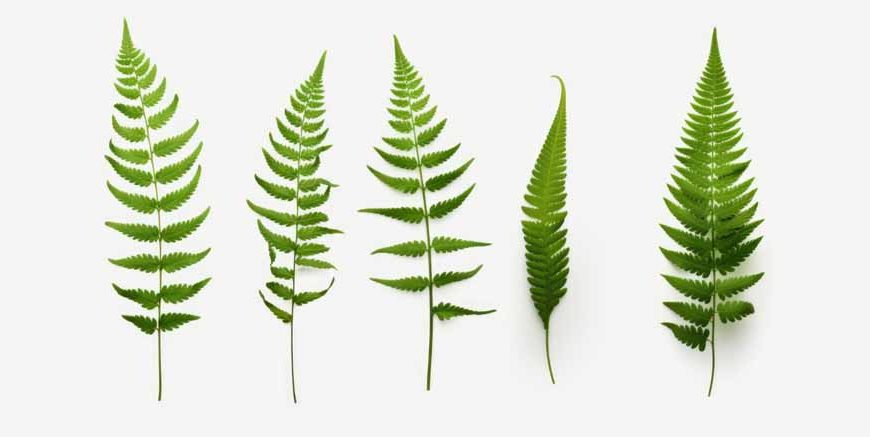
Long before the very first dinosaur took a heavy step on the Earth, massive green forests were already thriving across the planet. If you walked through those ancient, misty landscapes, you would not see a single bright flower or a crunchy pinecone. Instead, the ground and towering trees were covered in delicate, feathery green leaves.
These ancient survivors are still thriving in our modern woodlands, shady gardens, and even sitting in colourful pots on our living room windowsills. For students preparing for their science exams, understanding the biology of these ancient green survivors is absolutely essential. Today, we are going to look closely at these fascinating living fossils, breaking down their specific scientific categories and exploring exactly how they manage to reproduce without ever growing a single seed.
Breaking down the fern definition
To get a perfect score on a biology test, you need a highly accurate fern definition. So, what is a fern? It is a highly specific type of vascular plant that possesses true roots, a sturdy stem, and complex leaves, which botanists officially call fronds. The most important, defining feature of this ancient plant is exactly how it chooses to reproduce. Unlike an apple tree or a bright yellow sunflower, it never produces any colourful flowers, and it absolutely never grows a single hard seed.
Instead, it relies entirely on microscopic, dust-like particles called spores. If you turn a mature frond over, you will clearly see tiny brown dots clinging to the underside of the leaf. These distinct little bumps are called sori. When the weather is perfectly warm and breezy, these tiny brown cases burst open, throwing millions of invisible spores into the air to drift away and grow into brand new plants in the damp soil. Furthermore, when the new leaves first start to grow out of the dirt, they are tightly curled up in a spiral, looking exactly like the curled top of a wooden violin. Because of this unique shape, these new leaves are affectionately called fiddleheads, and they slowly unroll as the plant matures in the sunlight.
Read More – Types of Plants for Kids
Understanding the fern scientific name and fern classification
When scientists study plants, they use a universal language to keep everything perfectly organised across different countries. The broad fern scientific name for this entire massive group of plants is Polypodiopsida. When we look closely at standard fern classification, botanists place them into a special overarching category of vascular plants called Pteridophytes.
This complicated Greek word simply means they have a brilliant, built-in plumbing system. Just like the copper pipes hidden safely behind your bathroom walls, these vascular plants have special internal tubes called xylem and phloem.
These microscopic tubes quickly pump fresh rainwater and vital soil nutrients from the wet mud straight up into the highest green leaves. This brilliant internal plumbing is exactly why they can grow so much taller and stronger than flat, squishy mosses, which lack this advanced internal delivery system and have to stay pressed flat against wet rocks to survive. Understanding this biological plumbing is a crucial point to remember for any upcoming science test.
Exploring the Diverse types of ferns and types of fern plants
Because they have had over three hundred million years to adapt and evolve, there are currently over ten thousand different types of ferns thriving all over the globe. They refuse to stick to just one specific environment, adapting brilliantly to whatever harsh conditions they face. Here is a clear list showing the incredible variety of types of fern plants you might easily encounter in the wild:
- Terrestrial: These are the most common, traditional ground-dwellers. They happily root themselves in the rich, damp soil of shaded woodland forests, growing thick, bushy green fronds that completely cover the dark forest floor and provide brilliant natural hiding spots for wild woodland animals.
- Epiphytic: Instead of burying their roots deep in the heavy dirt, these clever rule-breakers prefer to grow high up in the air. They physically attach themselves to the rough bark of massive tree trunks or sit perfectly inside the damp cracks of heavy, mossy rocks. Because they do not touch the ground, they pull all the vital moisture they need directly from the humid jungle air.
- Aquatic: Some highly specialised varieties have completely abandoned the dry land altogether. They float happily on the calm surface of freshwater ponds, still lakes, and slow-moving rivers, looking exactly like tiny, flat green lily pads. They provide excellent hiding places for small fish and swimming frogs.
- Lithophytic: These are the absolute toughest survivors of the group. They manage to grow perfectly well on completely bare rocks or straight out of the mortar of old brick walls, breaking down the hard stone very slowly over many decades to extract tiny amounts of necessary minerals.
Read More – Best Monsoon Plants That Attract Butterflies
Famous examples of ferns plants for Students
If you are writing a detailed school essay, adding a few specific examples of ferns plants is a brilliant way to show the examiner that you fully understand the wider topic. Here are some of the most famous and incredibly unique varieties found thriving around the world today:
- The Boston Fern: This is a classic, highly popular houseplant that you have probably seen in a garden centre. It features long, incredibly graceful green fronds that arch gently downwards, making it look absolutely beautiful hanging in a woven basket in a warm, steamy bathroom. It is also famous for being brilliant at purifying indoor air.
- The Staghorn Fern: This is a prime, textbook example of an epiphytic plant. Instead of soft, feathery leaves, its thick, wide fronds look exactly like the heavy, branching antlers of a wild deer. It safely grips onto tree bark in tropical jungles and absorbs heavy rainwater directly through its unique, waxy leaves.
- The Tree Fern: While most of these plants stay quite low and close to the ground, this specific ancient variety grows a massive, thick, hairy trunk. It can easily tower high over a grown adult, creating a thick, umbrella-like canopy of wide green leaves that instantly transports you back to the prehistoric age of the dinosaurs.
- The Bird’s Nest Fern: Found growing deep in tropical rainforests, this unusual plant grows completely whole, undivided leaves that curl outwards in a tight, neat circle. It creates a perfect, natural bowl in the very centre that cleverly collects falling rainwater and rotting autumn leaves, completely turning them into a rich, natural fertiliser.
- The Maidenhair Fern: This is perhaps the most delicate member of the entire family. It has incredibly thin, wiry black stems and tiny, pale green leaves that violently flutter in the slightest breeze. It demands constant moisture and completely refuses to grow in dry, sunny areas, making it a tricky but beautiful challenge for indoor gardeners.
Read More – Engaging Plant Life Cycle Activities for Kids
Conclusion
It is genuinely thought-provoking to realise that a simple green houseplant sitting quietly on a modern kitchen table actually belongs to a resilient, ancient family that successfully outlived the dinosaurs. By completely ignoring bright flowers and relying entirely on microscopic, floating spores to build their populations, these incredible vascular plants have successfully conquered damp forests, high tree branches, and freshwater ponds across the entire globe. Learning about these brilliant survivors proves that nature does not always need to be incredibly complicated or highly colourful to be remarkably successful.
Sometimes, possessing a brilliant internal plumbing system and a sturdy, reliable set of green leaves is more than enough to survive hundreds of millions of years of chaotic global change. Discovering the ancient, hidden secrets of the natural world perfectly aligns with the highly engaging science modules found within the Heureka Curriculum. To explore more brilliant revision guides and uncover fantastic ways to actively support your child’s educational journey, read the latest articles on the EuroKids Blog and secure their vibrant academic future today through EuroKids Preschool Admission.
FAQs
Do these plants need direct sunlight to grow properly?
No, the vast majority of them actually hate direct, baking sunlight. Because they naturally evolved on the heavily shaded floors of ancient forests, they strongly prefer cool, indirect light and will quickly suffer from scorched, brown leaves if left in the blazing hot sun.
Can I grow a new plant directly from a tiny spore?
While it is biologically possible, growing them from microscopic spores takes a massive amount of time, perfect humidity, and immense patience. Most professional gardeners prefer to simply divide a large, mature root ball in half to instantly create a brand new plant.
Are they dangerous or poisonous to household pets?
Most common indoor varieties, like the popular Boston Fern, are entirely safe and non-toxic to domestic cats and dogs. However, certain wild outdoor varieties, such as Bracken, are highly toxic if a grazing farm animal accidentally eats a large amount of the green leaves.