Your physical body operates exactly like a highly advanced, non-stop biological factory. Even when you are deeply asleep in bed, your internal engines are busy repairing scraped knees, fighting off nasty winter colds, and growing brand new hair. However, this busy biological factory cannot run on just water and sugary snacks alone.
It desperately relies on a massive team of microscopic workers to keep the heavy machinery moving smoothly. Today, we are diving deep into the microscopic world of human nutrition to discover the tiny, invisible helpers hiding inside your daily meals, ensuring you stay strong, healthy, and full of boundless energy for the school day ahead.
Breaking Down the Basics: What are vitamins and minerals?
To get a perfectly clear picture of how nutrition works, we first need to define exactly what vitamins and minerals are in everyday terms. Think of them as the absolute most important tools in a builder’s heavy toolbox. While heavy proteins and thick carbohydrates give your body the raw energy and physical bricks to grow taller, these tiny micronutrients act as the hammers, screwdrivers, and spanners that actually put everything together. They are essential substances that our human bodies cannot easily manufacture from scratch, meaning we must constantly extract them from the fresh, colourful foods we eat every single day to survive.
Read More – Importance Of Nutrition In Early Childhood Development
Understanding Exactly What vitamins and minerals are
It is crucial to understand that vitamins and minerals are actually two completely different scientific things, even though they always work closely together as a tight team. Vitamins are organic substances, which means they are naturally created by living plants and roaming animals. They are quite delicate and can be easily destroyed by boiling heat, harsh cooking, or simply sitting out in the open air for too long.
Minerals, on the other hand, are completely inorganic elements that originate directly from the dark soil and cold rushing water. Plants absorb these tough minerals deeply through their sprawling roots, and wild animals then eat the green plants, passing the vital, heavy nutrients completely up the biological food chain. Because minerals are tough elements like iron and calcium, they easily survive the high heat of a kitchen oven.
Fascinating facts about vitamins you need to know
Learning the secrets of these tiny biological workers is like uncovering the hidden superpowers of your daily school lunchbox. Here is a clear, descriptive list of brilliant facts about vitamins that completely prove just how hard they work behind the scenes:
- The Alphabet Team: Scientists have successfully identified 13 completely essential vitamins that human beings need to survive and thrive. They are named using a simple, straightforward alphabet system, ranging from Vitamin A all the way down to Vitamin K.
- Fat-Soluble vs Water-Soluble: The human body is incredibly clever at managing its supplies. It comfortably stores fat-soluble types (like A, D, E, and K) safely inside your liver for a rainy day. However, it cannot store water-soluble types (like the famous Vitamin C), meaning you have to eat fresh supplies of them every single day because your body simply flushes the leftovers away.
- The Sunshine Secret: Your own skin has a brilliant, hidden superpower. It can naturally manufacture massive amounts of Vitamin D completely on its own, simply by safely soaking up bright, warm rays of afternoon sunshine!
Read More – Top Foods Rich in Vitamin B6
More about vitamins and their specific jobs
When learning about vitamins, it helps immensely to look at their highly specific daily tasks. Every single letter has a different, vital job to do inside the factory. Vitamin A, heavily found in bright orange carrots and sweet potatoes, acts exactly like a pair of biological night-vision goggles, keeping your eyesight sharp and healthy in the dark.
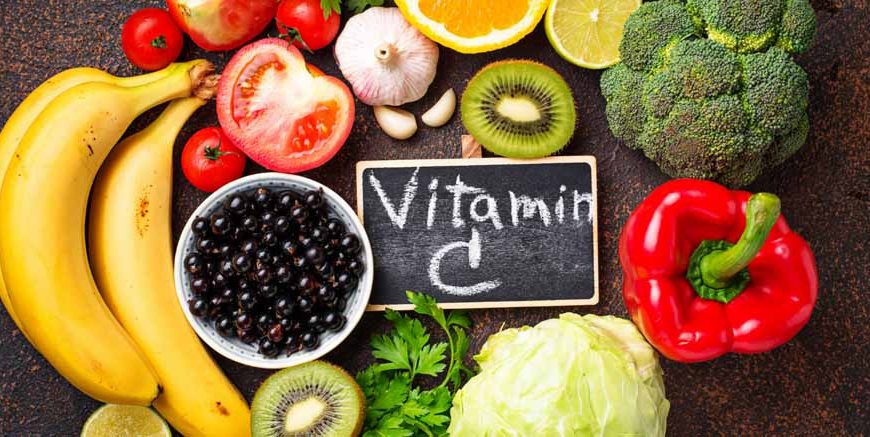
Vitamin C, safely hiding inside juicy oranges and red strawberries, acts as your body’s ultimate security guard. It rapidly builds a strong immune system to quickly fight off nasty throat infections and coughs. Meanwhile, Vitamin K acts as the chief medical officer of the body. If you accidentally cut your finger on a sharp piece of paper, it immediately rushes to the scene to help your blood properly clot and stop the bleeding, forming a tough scab.
Facts about vitamins and minerals Working Together
The most amazing thing to learn about vitamins and minerals is that they rarely ever work alone. They constantly talk to each other and actively help their teammates succeed. For example, your body desperately needs heavy calcium (a tough mineral found in milk) to build a strong, solid skeleton. However, your stomach simply cannot absorb that heavy calcium without the direct, chemical help of Vitamin D. They act exactly like a perfect lock and key.
Similarly, the heavy iron hiding in dark green spinach gives your red blood cells the physical power to carry fresh oxygen from your lungs to your toes, but it relies heavily on Vitamin C to help the body absorb it properly from the digestive tract. They are the ultimate, microscopic tag team that keeps you completely balanced.
Read More – Choosing Nutrient Rich Foods for Kids
Conclusion
It is genuinely thought-provoking to look down at a simple plate of fresh vegetables and realise it is actually a massive, bustling city of invisible chemical workers just waiting to help you grow. Nature has perfectly designed our colourful food to contain exactly the right microscopic tools our bodies need to survive, heal, and thrive. Learning how these tiny, invisible elements naturally interact inside our stomachs completely changes how we view our daily meals, turning a boring green salad into a powerful, biological toolkit.
Every single crunchy apple or bright green floret of broccoli you eat is an active, conscious choice to keep your internal factory running at absolute peak performance. To uncover more brilliant ways to fuel your child’s natural curiosity and support their daily development, read the latest educational guides on the EuroKids Blog and secure their vibrant academic journey today via EuroKids Preschool Admission.
FAQs
Can you ever eat too many of these tiny nutrients?
Yes, you actually can! While it is highly difficult to get too much purely from eating a healthy diet of fresh food, taking too many artificial supplement tablets can cause the fat-soluble types to dangerously build up inside your body, which can make you feel quite ill.
Why is fast food considered so bad for your health?
Fast food usually contains massive amounts of empty energy from processed sugar and heavy fats, but it has been heavily cooked and altered in large factories, which completely strips away and destroys almost all the vital, microscopic nutrients your body actually needs to stay strong.
Do wild animals need the exact same daily nutrients as human beings?
While they definitely need solid nutrition, their biological requirements are often completely different. For example, most domestic dogs and cats can naturally produce their own Vitamin C entirely inside their own bodies, so they never actually need to eat fresh oranges like humans do!