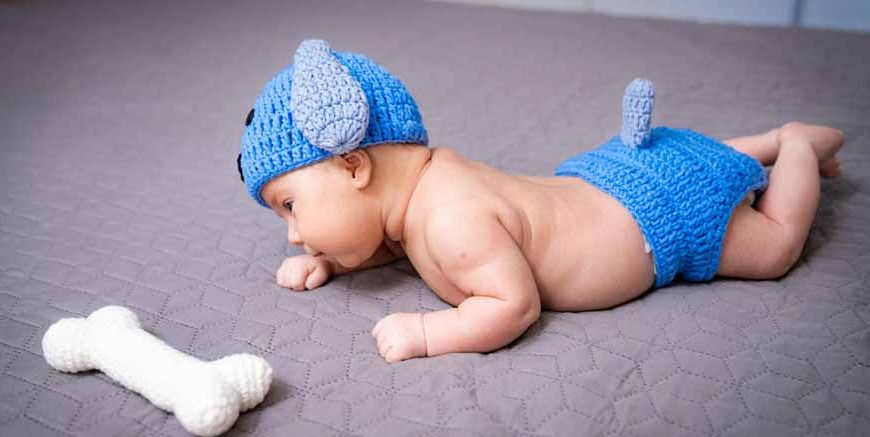
Watch a tiny infant stretching their little legs in a cot, and you will quickly notice how incredibly bendy they are. They can happily grab their own toes and chew on them without pulling a single muscle or showing any discomfort. This incredible, rubbery flexibility often makes older siblings and curious young students wonder exactly what is going on inside that tiny frame.
Human biology is absolutely full of brilliant surprises, and the skeletal system is definitely one of the most fascinating puzzles of them all. We are going to look closely at the hidden framework that helps growing infants eventually stand up, walk, and run, exploring exactly why their internal structure is completely different from that of a fully grown adult.
The Magic Number Revealed
The absolute most common question asked in early science classes is, how many bones are there in a newborn baby? If you look at a bright, colourful biology chart hanging in a school classroom, you will see that an adult human has exactly 206 hard pieces making up their entire skeleton. However, when an infant is first welcomed into the world, they arrive with around 300 distinct pieces!
This massive difference in numbers completely baffles young children. Where do all those extra pieces disappear as we get older? Do they magically fall out? The answer lies in a fascinating, slow biological process where the body physically builds and alters its permanent frame over several years. The infant is not actually losing any pieces; rather, the pieces are shifting, changing, and merging to create a stronger foundation for the future.
Read More – Discover the Organs in the Human Body
The Secret Material Behind the Bend
To fully understand this natural mystery, we must first look at what new born baby bones are actually made of. Unlike the heavy, hard, chalky skeleton of a grown adult, an infant’s framework is mostly constructed from a highly flexible, squishy tissue called cartilage. If you gently pinch the top of your own ear or wiggle the very tip of your nose, you are feeling cartilage right now.
Because they are constructed from this soft material, newborn baby bones are incredibly bouncy and forgiving.
This brilliant natural design is crucial for survival. It allows the infant to fit safely and comfortably inside the mother before birth, and it acts as a brilliant set of natural shock absorbers. When a toddler is learning to confidently walk across the living room floor, they take dozens of clumsy tumbles and falls every single day. Because their framework is still soft and rubbery, they simply bounce right back up without breaking anything.
The Incredible Internal Fusion
As the months and years pass by, a magical transformation happens inside the bones in child body. Through a biological process known as ossification, that soft, rubbery cartilage slowly absorbs heavy minerals from the daily milk they drink and transforms into solid, hard material.
While this slow hardening happens, many of those 300 smaller pieces begin to drift together and firmly snap into one another, exactly like connecting plastic building blocks.
Over time, these smaller pieces permanently fuse to create larger, much stronger structures. A perfect example is the human skull. It actually starts as several separate, floating plates held together by soft tissue. This clever design ensures the rapidly growing brain has plenty of room to expand. Eventually, these plates lock tightly together to form one solid protective helmet. This constant fusing and merging is exactly why the total number of pieces drops down to 206 by the time a child reaches early adulthood.
Read More – Why Do Babies Have More Bones Than Adult?
Fascinating Facts About the Growing Skeleton
To help young learners truly grasp how incredible human biology is, here is a list of amazing facts about how the skeletal framework develops and changes:
- The Kneecap Mystery: Infants are actually born without any hard kneecaps at all! Their knees are just pieces of soft cartilage that do not fully turn into hard bone until they are roughly between three and five years old.
- Shifting Spinal Curves: When a baby is born, their spine is curved into a simple ‘C’ shape, which perfectly matches how they curled up before birth. As they slowly learn to lift their heavy head, crawl, and eventually walk, the spine develops two new curves, turning into a bouncy ‘S’ shape to help them balance upright.
- Invisible Growth Plates: The bones in children do not just magically stretch from the middle. They grow from the very ends at highly specific, soft areas called growth plates. Once a teenager finishes growing taller, these soft plates permanently seal shut and turn into solid bone.
- The Earliest Bones to Grow: The tiny, delicate structures hidden deep inside the ear are actually the only pieces in the human body that are fully grown and completely hardened at the exact moment a baby is born.
Feeding the Growing Framework
Understanding how these internal structures develop helps us realise exactly why early nutrition is so incredibly important for growing children. The framework desperately needs a constant, daily supply of specific building materials to harden properly. Calcium is the heavy mortar that builds the hard outer shell, found in massive amounts in fresh milk, thick cheese, and dark leafy green vegetables.
However, calcium cannot do its job alone. The body absolutely needs Vitamin D to act as a special key, unlocking the internal doors so the calcium can actually enter the skeletal framework. Safe, gentle playtime in the bright sunshine is the absolute best way for the body to naturally create this vital vitamin.
Read More – GK Questions On Human Parts Of The Body For Kids
Conclusion
It is genuinely thought-provoking to realise that a delicate, highly flexible infant is actually performing a massive feat of internal engineering every single day they grow. Their tiny, rubbery framework is slowly transforming, fusing, and hardening to build a tough, permanent structure that will eventually carry them across the entire world. Understanding this hidden biological magic teaches growing children to appreciate their own bodies and realise that their daily habits actively shape their future strength. Every glass of milk they drink and every sunny afternoon they spend running in the park is actively building a tougher, much stronger skeleton for tomorrow.
To give your child the absolute best start in understanding human biology and the wonders of science through the brilliant Heureka Curriculum, discover more engaging learning tools on the EuroKids Blog, and easily begin their bright academic journey today by enquiring about EuroKids Preschool Admission.
FAQs
Why do babies have a soft spot on their head?
The soft spots, scientifically called fontanelles, are the specific gaps where the different plates of the skull have not yet fused together. They allow the brain to grow rapidly during the first year of life before closing up entirely.
Can a broken bone in a child heal faster than in an adult?
Yes, they heal significantly faster! Because a child’s framework is still actively growing and receives a massive, rich blood supply, their body repairs cracks and breaks much quicker than a fully grown adult skeleton.
Do teeth count as part of the total skeletal bone count?
Even though they are incredibly hard, bright white, and contain massive amounts of heavy calcium, teeth are actually not counted as bones because they do not contain the specific living tissue or marrow that true bones have.