Kids absolutely love a catchy tune, especially when it involves stomping heavily around the living room wearing a brightly coloured, homemade paper hat. There is something undeniably infectious about a strong, steady drum beat combined with completely ridiculous, silly words.
If you have a toddler in the house, you have probably found them marching boldly across the kitchen floor, proudly belting out a loud song about riding ponies and sticking feathers in their hair. It is energetic, it gets them out of breath, and it is actually a rather fantastic piece of musical history.
Let us take a much closer look at a beloved classic that has been getting little legs moving for hundreds of years. We will break down the slightly strange vocabulary, explore the historical background, and discover exactly why this specific, bouncing tune remains such a massive hit in early education today.
The Strange and Silly History of Yankee Doodle
When we teach our children traditional songs, we are usually handing them a tiny, rhythmic piece of history. The story behind Yankee Doodle is genuinely fascinating because it actually started out as a massive joke. Well over two hundred years ago, during the American Revolution, British soldiers would loudly sing this specific tune to playfully mock the American troops. They used the song to tease the local soldiers, calling them disorganised and silly.
However, the joke completely backfired.
The American soldiers actually loved the upbeat, marching rhythm so much that they stole the tune, adopted it as their very own, and proudly sang it as a triumphant anthem. It is a brilliant, highly relatable lesson for young children: sometimes, when someone tries to tease you, the absolute best response is to simply laugh along and confidently make the joke your own. Today, children do not worry about the old military history; to them, it is simply a wonderfully silly story about a happy boy taking a bumpy ride into town on a small pony.
Read More – Nursery Rhymes For Kids with Lyrics
Exploring the Classic Yankee Doodle lyrics
To fully enjoy the theatrical marching experience at home, you need to know the exact words. The song relies heavily on a bouncing, repetitive rhythm that makes it incredibly easy for developing minds to memorise.
Here are the traditional Yankee Doodle lyrics to sing with your little ones:
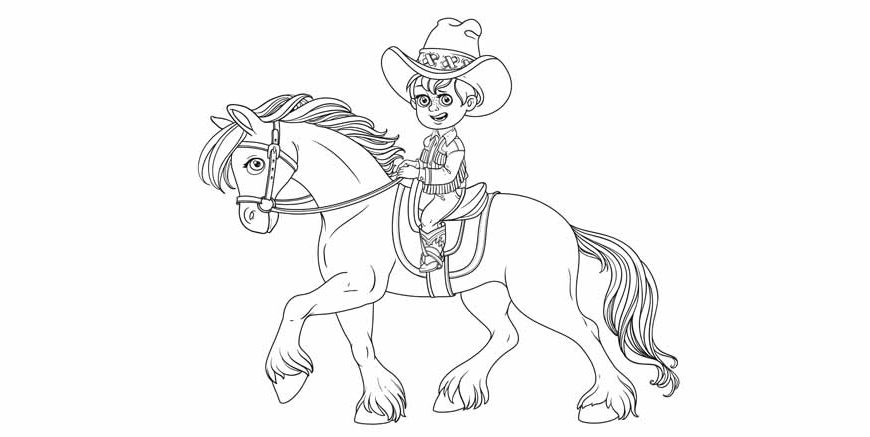
Yankee Doodle went to town,
A-riding on a pony,
Stuck a feather in his cap,
And called it macaroni.
Yankee Doodle keep it up,
Yankee Doodle dandy,
Mind the music and the step,
And with the girls be handy.
Every single time a parent sings these verses, a child will inevitably ask the exact same hilarious question: why on earth did he call his hat a piece of pasta? When breaking down the Yankee Doodle lyrics for curious kids, it immensely helps to explain the old-fashioned eighteenth-century slang. Back then, the word “macaroni” had absolutely nothing to do with cheese or dinner time. It was actually a popular slang word used to describe a highly fashionable, incredibly stylish person who wore fancy clothes. So, when the character stuck a simple bird feather into his cap, he was proudly pretending to be the smartest, best-dressed person in the entire town! Additionally, the word “dandy” simply means a smart, cheerful fellow.
Read More – Twinkle Twinkle Little Star Lyrics in English
Why Kids Completely Adore Yankee Doodle Rhymes
It is certainly not a coincidence that music teachers constantly rely on strong, marching Yankee Doodle Rhymes for their classroom activities. This specific tune practically demands physical movement. Sitting completely still on the carpet is not an option when this melody begins.
The strong, predictable 4/4 time signature mimics a steady, walking heartbeat. Children naturally want to clap their hands, slap their knees, or stomp their feet directly on the beat. When a young child enthusiastically marches to the song, lifting their knees up high and swinging their arms back and forth, they are actively transforming a simple piece of music into a joyful, full-body workout. It bridges the vital gap between hearing a sound and translating it into a deliberate physical action.
Brilliant Benefits of Musical Marching Games
Beyond simply tiring out an energetic toddler before their afternoon nap, singing and acting out these bouncy historical rhymes provides a massive, invisible boost to their cognitive and physical development. Here is a clear list showing exactly how this lively song actively supports your child’s early growth:
- Boosting Gross Motor Skills: Stomping around the house to a steady beat heavily engages the large muscles in a child’s legs and core. Lifting their knees high to match the marching rhythm significantly improves their physical balance and spatial awareness.
- Developing Rhythmic Timing: Clapping loudly on the exact syllables of the song teaches toddlers how to anticipate patterns. This internal sense of timing is an absolutely vital foundational skill for learning to play real musical instruments later in life.
- Expanding Old Vocabulary: Introducing words like “dandy” and explaining the historical context of “macaroni” shows children that the English language is vast, constantly changing, and full of brilliant, funny surprises.
- Practising Listening and Following Instructions: The lyric “Mind the music and the step” acts as a brilliant built-in instruction. It reminds children to actively listen to the tempo of the song and carefully adjust their walking speed to match the beat, teaching them early focus and bodily control.
Read More – World Music Day Activities for Elementary Schools
Conclusion
It is genuinely thought-provoking to realise that a song originally designed as a cheeky joke centuries ago has beautifully evolved into a vital tool for teaching modern children about rhythm, history, and physical coordination. Every time a child proudly marches across the rug with a makeshift paper hat on their head, they are actively participating in a rich, musical tradition that has survived for generations simply because it is so incredibly fun. We often forget that for a young child, joyful play is the absolute highest form of scientific research. By singing aloud, asking questions about silly words, and stomping to the beat, they are confidently making sense of the noisy, vibrant world around them. To discover more fantastic, creative ways to support your child’s early milestones and see how the active Heureka Curriculum naturally fosters this exact type of joyful, holistic learning, explore the insightful resources on the EuroKids Blog and secure their vibrant academic journey today through EuroKids Preschool Admission.
FAQs
Is it easy to turn this song into a fun activity at home?
Absolutely. You can easily spend an afternoon making a fun craft project by folding a simple newspaper hat and finding a craft feather to stick into the side before marching around the garden together.
Why do marching songs appeal to toddlers so much?
Toddlers possess boundless physical energy and heavily rely on their bodies to express their emotions. A strong, marching rhythm gives them a structured, completely acceptable way to be loud, stomp their feet, and safely burn off that excess energy.
Can learning old slang words confuse a child’s modern vocabulary?
Not at all! Explaining that words meant completely different things a long time ago actually broadens their understanding of language, teaching them that words are flexible and can easily change their meanings over time.