Have you ever tried walking past a busy high street bus stop with an energetic two-year-old? If you have, you already know it is never just a quick stroll. It turns into a massive, heavily narrated event. The sheer, towering size of a bright red double-decker, the sudden hiss of the air brakes, and the noisy chatter of passengers hopping aboard can completely mesmerise a toddler.
Transport feels magical when you are that small. Everything is giant, loud, and constantly moving. Because children naturally try to make sense of the giant world going on around them, it makes total sense that they latch onto music to help them understand it.
For decades, one specific, bouncy little tune has been the absolute go-to soundtrack for nursery sing-alongs and rainy afternoons in the living room. Let’s dig into the actual song, learn the words, and discover exactly why this legendary tune helps little brains grow.
The Complete wheels on the bus poem
It is incredibly easy to forget the exact verses when you are put on the spot by an expectant toddler. Here is the full, classic wheels on the bus poem so you can sing along with total confidence:
The wheels on the bus go round and round,
Round and round,
Round and round.
The wheels on the bus go round and round,
All through the town.
The wipers on the bus go swish, swish, swish,
Swish, swish, swish,
Swish, swish, swish.
The wipers on the bus go swish, swish, swish,
All through the town.
The horn on the bus goes beep, beep, beep,
Beep, beep, beep,
Beep, beep, beep.
The horn on the bus goes beep, beep, beep,
All through the town.
The doors on the bus go open and shut,
Open and shut,
Open and shut.
The doors on the bus go open and shut,
All through the town.
The babies on the bus go wah, wah, wah,
Wah, wah, wah,
Wah, wah, wah.
The babies on the bus go wah, wah, wah,
All through the town.
The mummies on the bus go shh, shh, shh,
Shh, shh, shh,
Shh, shh, shh.
The mummies on the bus go shh, shh, shh,
All through the town.
Read More – Nursery Rhymes For Kids with Lyrics
The Genius Hiding in the wheels on the bus lyrics
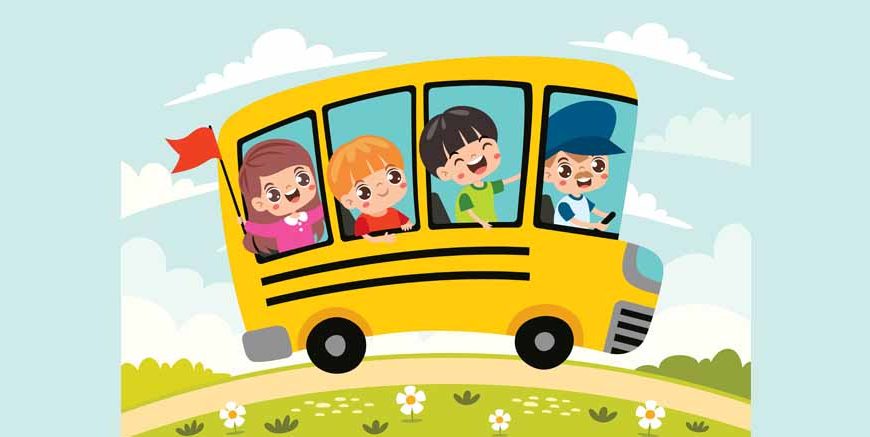
Think about a public vehicle from a child’s perspective. It is a massive, slightly intimidating machine packed tightly with strangers. The absolute brilliance of the wheels on the bus lyrics is how they take this huge, complicated thing and break it down into friendly, bite-sized pieces.
Rather than seeing a loud, rumbling monster on the road, your child learns to identify the individual, working parts. They quickly realise the bus has bouncy rubber tyres, squeaky windows, and doors that snap shut.
By giving a silly, highly predictable sound to every single mechanical part, the rhyme completely strips away any fear. It turns a standard, noisy trip into town into a familiar game. The melody itself is incredibly upbeat, perfectly mimicking the bouncy, rhythmic feeling of riding down a slightly bumpy British road.
When you look closely at how kids learn, you notice they absolutely crave repetition. A toddler will happily sing the same verse fifty times in a row without getting bored. Why? Because the world is chaotic, and knowing exactly what word is coming next makes them feel incredibly safe and smart.
Bringing the Song to Life with Physical Actions
Nobody just sits perfectly still with their hands in their laps when this tune comes on. That is simply not how it works! To get the true experience, you have to use your whole body. Acting out the different verses of the wheels on the bus lyrics is what makes it a massive staple in playgroups.
Here is a quick look at the classic physical actions kids love to perform while singing:
- Spinning Tyres: Kids love clenching their fists and rolling their hands over one another in a fast, forward circle. It perfectly mimics heavy rubber spinning on the tarmac.
- Swishing Wipers: When the imaginary rain starts, children hold their hands up and wave them vigorously back and forth to clear the glass.
- Beeping Horn: This is always the absolute favourite. Children pretend to press a heavy steering wheel by playfully booping their own nose or tapping their palm.
- Opening Doors: Starting with their hands clapped tightly together, kids pull their arms wide apart to show the heavy doors opening, snapping them shut a second later.
- Crying Babies & Parents: When the babies cry, toddlers playfully rub their eyes with their fists. When the parents step in, they hold a single finger up to their lips for a dramatic “shh”.
Read More – Energising Morning Songs for Preschoolers
How a Simple Rhyme Builds Brilliant Brains
While it just looks like you are having a silly dance in the kitchen, your child’s brain is actually getting a massive workout. The lyrics are absolutely stuffed with onomatopoeia. That is just a fancy term for words that sound exactly like the noise they represent.
When a toddler tries to say “swish” or “beep,” they are forced to use their lips, teeth, and tongue in very specific, tight ways. It is basically a physical workout for their mouth. This kind of oral motor practice is exactly what helps them pronounce difficult, complex words clearly as they get older.
On top of that, the song bridges the gap between hearing a word and moving the body. When your little one sings about the doors opening and instantly moves their arms to match, they are forcing the left and right sides of their brain to talk to each other rapidly. This dual-tasking actively builds up their gross motor skills, balance, and spatial awareness. Supporting this exact kind of active, full-body learning is exactly how young children naturally master their environments.
Read More – Popular Nursery Rhymes for Kids
Conclusion
It is a genuinely wonderful thought that a bouncy, repetitive song is often a child’s very first real introduction to how their community works. We sometimes forget that for a young child, playing is serious scientific research. Every time they enthusiastically pretend to be the driver or the crying baby on the back seat, they are actively investigating how society fits together. They are learning about transport, discovering empathy for others, and figuring out the lively rhythm of a shared journey.
By simply singing along with them and doing the silly hand motions, you are laying down powerful building blocks for their future confidence and physical coordination. To discover more fantastic, creative ways to support your child’s early development and see how active learning makes a difference, explore the latest resources on the EuroKids Blog and secure their vibrant academic journey today through EuroKids Preschool Admission.
FAQs
Why does my child want to sing the exact same verse all day long?
Toddlers find a massive amount of comfort in strict repetition. Knowing exactly what happens next in the song makes them feel confident and secure in a world that is usually unpredictable.
Does acting out nursery rhymes actually help with physical coordination?
Yes, it makes a huge difference. Coordinating their arms to mimic the wipers while simultaneously keeping to the rhythm requires a lot of balance and core strength, which heavily improves their overall motor skills.
Can I use this song to help calm my toddler down during long car rides?
It is one of the best distraction tools available. The familiar, upbeat rhythm quickly grabs their attention, redirecting restless or anxious energy into a fun, familiar game they know they can win.