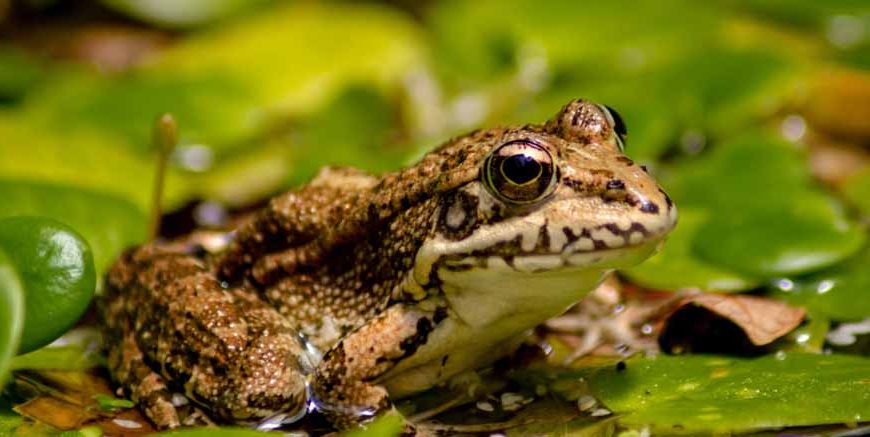
Have you ever watched a tiny, tail-wiggling tadpole swimming in a pond and wondered how it magically turns into a leaping frog? This incredible physical transformation is one of nature’s greatest magic tricks. When we teach young explorers about the animal kingdom, one specific group always stands out because they get to experience two completely different worlds during their lifetime. Let us dive into the slimy, jumpy, and utterly fascinating world of these creatures and uncover what makes them so unique.
Amphibians Meaning in English: Let’s Define Amphibian
To explain this animal family to a child, we first need to look at the dictionary. If you want to define amphibian, you actually have to look at ancient history. The amphibians meaning in english comes from two old Greek words: “amphi,” which translates to “both,” and “bios,” which translates to “life.”
Put those two words together, and you get “double life”! This is the absolute perfect name for them because they literally split their lives between two entirely different habitats.
Read More – The Frog Life Cycle and Facts for Kids
What Are Amphibians? The Unique Dual-Life
So, what are amphibians physically? They are cold-blooded vertebrates. This means they have a solid backbone, but they cannot control their own internal body temperature. If the sun is hot, their bodies become hot; if the winter water is freezing, they become cold.
But their most famous trait is that they are animals that live both on land and water. Almost all of them start their lives hatching from soft, jelly-like eggs laid underwater. At this baby stage, they use gills to breathe beneath the surface, just like fish. As they grow older, their bodies go through a massive, magical change called metamorphosis. They lose their gills, grow internal lungs, and develop strong legs so they can walk or hop onto the dry dirt.
They also have highly special, sensitive skin. They actually absorb water and breathe oxygen right through their skin! Because of this, they must always stay near mud, ponds, or damp leaves so they do not dry out.
What Animals Are Amphibians? The Main Types
When kids ask, “what animals are amphibians?”, they usually only picture a green frog sitting on a lily pad. While frogs are definitely the most famous members, the family is actually split into three very distinct types:
- Frogs and Toads: The jumping experts of the family. They have incredibly strong back legs and no tails as grown adults.
- Salamanders and Newts: These look a little bit like lizards because they keep their long tails and walk on four short legs.
- Caecilians: These are the hidden, secret members of the family. They have absolutely no arms or legs and look exactly like giant earthworms, living deep underground in wet, tropical dirt.
Read More – List of Animals That Live On Land And Water
10 Examples of Amphibians for Kids
To make your next nature walk or trip to the zoo much more exciting, it helps to know exactly who to look for. Here are 10 examples of amphibians that showcase just how beautifully diverse this animal family truly is. These are fantastic examples of amphibians for kids to learn and memorize:
- Red-Eyed Tree Frog: Famous for its bright green body and huge, glowing red eyes that startle hungry birds.
- American Bullfrog: The largest frog in North America, known for its incredibly loud, deep, and rumbling croak.
- Axolotl: A fascinating, smiling salamander from Mexico that permanently stays underwater and never loses its feathery baby gills.
- Poison Dart Frog: Tiny, brightly colored rainforest frogs that carry dangerous, natural toxins on their skin to stay safe.
- Cane Toad: A very large, bumpy-skinned toad that can survive in much drier places than most of its cousins.
- Tiger Salamander: A beautiful creature with bright yellow stripes across its dark body, looking just like a jungle cat.
- Eastern Newt: A brightly colored little amphibian that actually turns bright, warning orange during its teenage years!
- Hellbender: A giant, wrinkly salamander that lives completely hidden under heavy rocks in fast-moving rivers.
- Goliath Frog: The heavyweight champion of the frog world, found in Africa, which can grow as big as a domestic house cat!
- Caecilian: The bizarre, legless amphibian that spends its entire life safely burrowing in damp jungle mud.
Conclusion
To wrap up our biological adventure, amphibians are nature’s ultimate shapeshifters. They begin as swimming, fish-like babies and beautifully transform into lung-breathing, land-walking adults. Because they use their delicate skin to breathe, you can find amphibians examples mostly in clean, wet, and shady environments.
Learning about these creatures leaves us with a highly thought-provoking realization. Amphibians act as the silent alarm clocks of our environment. If the frogs and salamanders in a local pond are healthy and singing loudly, it tells us the water is clean and the earth is thriving. If they suddenly disappear, nature is warning us that the environment is sick and polluted. Teaching our children to love and protect these slimy, hopping wonders is the very first step in raising a kind generation that will fiercely protect our beautiful planet.
To read more fun and educational articles, check out the EuroKids Blog, and visit our website for details on EuroKids Preschool Admission.
FAQs
Do amphibians drink water through their mouths?
No, they do not! They absorb all the moisture they need directly through their incredibly thin, porous skin while sitting in puddles or damp dirt.
Are reptiles and amphibians the exact same thing?
Not at all. Reptiles (like snakes and turtles) have dry, scaly skin and are born with lungs. Amphibians have smooth, wet skin and are usually born with underwater gills.
Why are frogs always so slimy to the touch?
They secrete a special, safe mucus from their skin to lock in moisture. If their skin dries out completely in the hot sun, they cannot breathe properly.
Can you get warts from touching a toad?
This is a very famous myth! The bumps on a toad’s back are just harmless glands, and they absolutely cannot give a human being warts.