Think about a cold, rainy Tuesday morning. You stumble into the kitchen, rub the sleep out of your eyes, turn the dial on the hob, and instantly, a neat ring of bright blue fire pops up. We take that little blue flame completely for granted, do we not? You need to boil some pasta or warm up the hallway, and the heat is just sitting there, waiting for you.
But the backstory of that steady gas is absolutely wild. It actually begins millions of years ago, buried deep underground in prehistoric swamps, involving crushed plants, extreme pressure, and a whole lot of waiting. Instead of just accepting that the stove magically works, let us dig into the invisible fuel making our busy modern lives possible.
Exactly what is hydrocarbon?
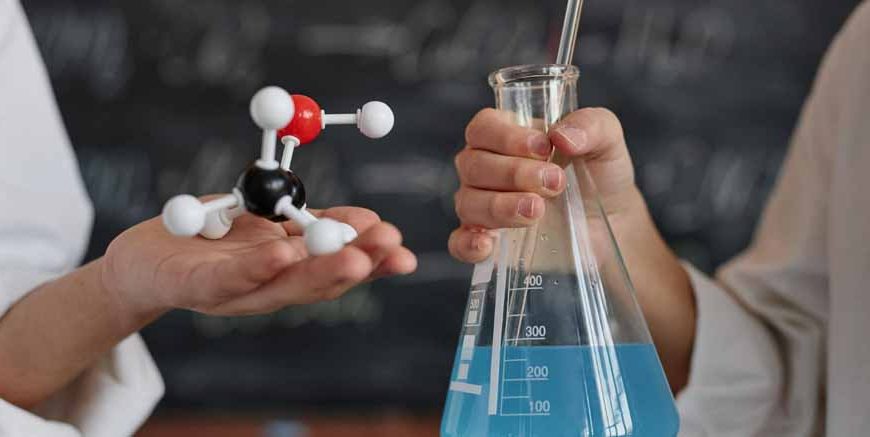
The word itself sounds like a mouthful, the kind of heavy, intimidating jargon you only hear in a secondary school chemistry class. But the actual science is dead simple. If a curious child asks you what is hydrocarbon, just tell them to picture a big box of plastic building bricks. A hydrocarbon is simply a tiny, invisible compound built entirely from just two base ingredients: hydrogen and carbon.
If you imagine the carbon as the red bricks and the hydrogen as the blue ones, snapping them together in different shapes and lengths gives you totally different fuels. When these specific blocks link up to form a light, floaty vapour, we get gas. You might hear people call it methane, butane, or propane. Essentially, this gas acts like a giant, natural storage battery. It holds onto ancient solar energy that the earth baked for thousands of millennia, keeping it locked away safe right up until the exact moment we need to cook dinner.
Read More – How do you make science interesting for kids?
The Everyday hydrocarbon uses
We interact with this stuff constantly, even if we never actually see it. It quietly runs in the background, making daily living incredibly cosy and brilliantly convenient. Here is a handy list of the most common, everyday hydrocarbon uses your kids can easily spot around their own home:
- Whipping up family dinners: Every single time you fry some eggs or simmer a big pot of winter soup on a gas hob, you are tapping straight into this ancient fuel. It travels through a massive, hidden network of underground pipes right into your kitchen, giving you instant, controllable heat for cooking.
- Fighting off the winter chill: When November rolls around and the house feels like an absolute icebox, your central heating boiler kicks in. It burns this exact gas to heat a large tank of water, which then pumps rapidly through your metal radiators to keep the living room nice and toasty.
- Powering modern road trips: While most cars on the road still run on liquid petrol, you will spot plenty of modern city buses running on compressed gas. It is a fantastic, highly efficient way to move massive crowds of people safely around a busy town without creating as much pollution.
- Making toys and household bits: It sounds completely odd, but the raw chemical bits extracted from these gases are heavily used in factories to make everyday plastics. That includes everything from the colourful building blocks scattered in the playroom to the synthetic, waterproof fabric keeping your winter coat dry.
Read More – Science Quiz Questions and Answers for Kids
Why Do We Rely On It? The Main Benefits
There is a very good reason we do not just burn huge piles of wood in the living room to heat our homes anymore. This specific fuel packs a seriously heavy punch. Here is a list of the main benefits of using it over older methods:
- Unbelievable energy density: You only need a very small amount of compressed gas to create a massive amount of physical heat. That is exactly why a single, portable metal canister can keep a camping stove roaring for days on end while you are out in the woods.
- Incredibly easy to move around: Because it is a light gas, it flows beautifully. We can push it through miles and miles of underground pipes across the entire country with ease, or squeeze it into heavy metal bottles for a weekend barbecue in the back garden.
- A much cleaner burn: If you compare it to burning heavy black coal or wet wood, natural gas is miles better for the local environment. It produces far less soot and thick smoke, which keeps the air around our homes and schools significantly clearer.
Read More – Facts About the Noble Gases
Massive Industrial Applications
Beyond just keeping our toes warm at home, this gas does some incredibly heavy lifting for the whole country. The larger applications are exactly what keep our cities ticking over day and night:
- Keeping the lights on: Giant power stations burn huge volumes of this gas to furiously boil massive vats of water. The rising steam from that boiling water spins heavy metal turbines at dizzying speeds, generating the vital electricity that charges your mobile phone and runs your fridge.
- Shaping heavy glass and metal: Factories need ridiculously hot ovens to melt raw steel or shape clear glass windows. The consistent, roaring heat of this gas is one of the only practical ways to safely reach those extreme, melting temperatures on an industrial scale.
Conclusion
It is quite funny when you actually stop and think about it. The exact same invisible energy that cheerfully boils the water for your morning porridge originally came from sunlight captured by giant ferns millions of years ago. We are literally burning ancient history to keep our modern lives running smoothly. Understanding where our everyday energy comes from is vital for growing minds.
It completely changes the way a child looks at a simple kitchen stove or a warm radiator in the hallway. By constantly asking questions about the physical world, children learn to deeply respect the natural resources we have, while dreaming up clever, even cleaner ways to power the future. To find more brilliant ways to spark your child’s curiosity and support their daily learning journey, head over to the EuroKids Blog and secure their spot through EuroKids Preschool Admission today.
FAQs
Is this gas safe to have inside the house?
Yes, it is very safe when piped into modern, well-maintained appliances. However, because it is highly flammable, children should always be taught from a young age that cooker knobs and household boilers are strictly for adults to handle.
Why does the gas smell so bad if it is invisible?
In its natural state, the gas has absolutely no smell at all. Suppliers purposely mix in a harmless chemical that smells exactly like rotten eggs. That way, if an underground pipe ever accidentally leaks, your nose will catch the scent instantly so you can get to safety!
Will we run out of this fuel one day?
Eventually, yes. Because it relies on fossils and ancient plant matter being crushed over millions of years, there is a limited supply hidden under the earth. That is exactly why clever scientists and engineers are working so hard right now to harness renewable, endless energy from the blowing wind and the shining sun.