You sit down at the kitchen table after a long workday, hoping for a quiet evening. Then your seven-year-old slides a school notebook across the table, looking completely lost. The teacher wants them to hand in an essay on Nag Panchami in English by tomorrow morning. Your child looks at you and asks why on earth anyone would pray to a poisonous snake instead of running away from it.
It is a fair question. City kids grow up watching cartoon movies or reading storybooks where snakes are painted as scary villains. Explaining why ancient traditions honour cobras with flowers, milk, and prayers feels tricky when you want to keep things simple. You do not need to give your child a dry history lecture. When you explain the real story behind the festival, you turn a confusing homework task into a fun conversation about nature, farming, and kindness.
What Is Nag Panchami?
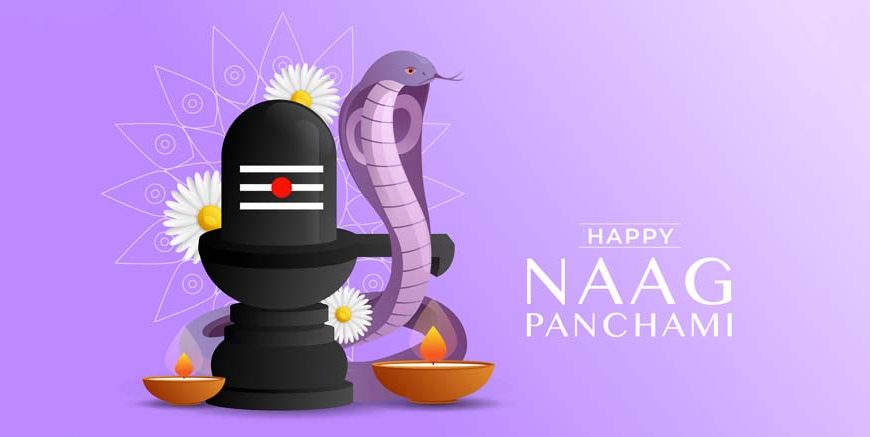
Nag Panchami is a traditional Hindu festival dedicated to the worship of snakes and serpent deities. It takes place on the fifth day of the bright fortnight in the lunar month of Shravana, which falls during July or August.
Read More – Famous Festivals in India during Monsoon
How Legends Help Kids Understand the Day
Children remember lessons best when they come in the form of a good story. Indian mythology gives you two famous tales that make writing a Nag Panchami essay much easier for your child.
1. The Wise Young Boy Who Saved the Serpents
An ancient tale from the Mahabharata talks about a king named Janamejaya. He started a massive fire ritual to destroy every snake in the world because a fatal snakebite had killed his father. The fire grew so hot that thousands of snakes fell into the flames. Seeing this suffering, a young scholar named Astika stepped forward. He spoke to the king with great patience and wisdom, explaining that destroying an entire animal species out of personal revenge was wrong. The king realised his mistake and stopped the fire on the fifth day of the Shravana month. People began observing Nag Panchami on that day to remember mercy and animal protection.
2. Krishna and the Serpent Kaliya
A giant multi-headed snake named Kaliya moved into the Yamuna River. His bitter venom made the river water black and toxic, harming cows, trees, and villagers. When a rubber ball fell into the water during a game, Krishna jumped in to fetch it. Kaliya attacked, but Krishna subdued the giant serpent by dancing lightly on his spread hoods. When Kaliya apologised for his harmful actions, Krishna spared his life and asked him to swim away safely to the ocean. The story teaches children that real strength lies in protecting others rather than using violence.
Read More – Explore Winter Festival List for Kids
Simple Nag Panchami Essay for Primary School Students
Nag Panchami is a traditional festival celebrated across India during the monsoon month of Shravana. On this auspicious day, people offer prayers to serpent deities and thank them for protecting nature and agricultural crops.
Families clean their homes early in the morning and draw snake patterns near doorways using turmeric and rice paste. People offer milk, flowers, and puffed rice to snake idols in temples. Farmers refrain from digging or ploughing the soil on Nag Panchami so that they do not harm small creatures resting beneath the ground.
Supporting Cultural Learning at EuroKids
Young children learn best when education goes beyond memorising facts from a printed book. Experiencing culture through art, music, and interactive stories makes learning natural and fun.
At EuroKids, preschool classrooms bring traditional celebrations to life through hands-on activities. Children build soft clay models, paint bright patterns, and participate in lively story circles led by thoughtful teachers. This playful environment helps children understand the core values behind Indian traditions, building empathy, self-confidence, and a lifelong curiosity about the world around them.
Conclusion
Nag Panchami is far more than an old calendar event or a ritual with milk bowls. It represents an early human attempt to teach environmental care, agricultural gratitude, and kindness toward every living creature. When you talk your child through these practical ideas, homework stops feeling like a chore and turns into a meaningful learning moment.
Taking time to answer your child’s curious questions helps them see the deeper logic behind traditional customs. Encourage your young learner to look at nature with respect, think critically, and appreciate every animal that shares our planet.
For more helpful parenting tips and educational articles, check out the EuroKids Blog. If you want to give your child a joyful start to their early learning journey, explore EuroKids Preschool Admission today.
Frequently Asked Questions
1. What is Nag Panchami in simple terms for a child?
Nag Panchami is a monsoon festival in India where people thank snakes for protecting farm crops and learn to treat all animals with kindness.
2. Why do farmers stop ploughing fields on Nag Panchami?
Farmers avoid digging or ploughing the soil on this day so they do not accidentally hurt snakes or other small animals hiding underground during the rainy season.
3. How do snakes help farmers in India?
Snakes eat field rats, mice, and insects that destroy standing crops, serving as natural pest controllers for agricultural fields.
4. What main lesson does Nag Panchami teach students?
The festival teaches students that every living creature plays an important role in keeping nature balanced and deserves human respect.