Have you ever flown a colourful kite on a really blustery afternoon in the park? When the breeze catches the fabric, you can feel an invisible, playful force pulling the string upwards, actively trying to snatch the kite straight out of your hands. That invisible push is simply moving air, and for thousands of years, clever humans have been capturing its incredible power to do heavy lifting for us.
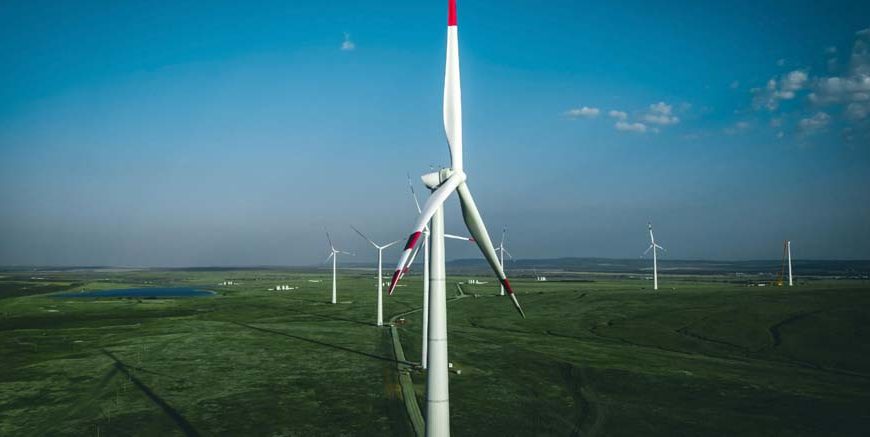
If you take a long drive through the countryside today, you will likely spot giant, white pinwheels touching the sky. Today, we are exploring these towering giants to understand how they take a simple gust of wind and turn it into the electricity that powers our modern world.
Wind Energy Definition and Examples
To start our scientific adventure, we need a clear wind energy definition. In the simplest terms, wind energy is the process of capturing the natural movement of the air and turning it into useful mechanical or electrical power. It is a completely renewable resource, meaning we will never run out of it as long as the sun continues to shine and heat our atmosphere!
When looking for a good wind energy definition and examples for a school assignment, think about a classic sailboat. When the wind pushes against the large fabric sails, it actively moves the heavy wooden boat across the water. That is mechanical wind power in action! Another brilliant example is a modern wind turbine standing high on a hill, spinning rapidly to light up a nearby town. If you are ever searching for facts about windmill in English textbooks, you will learn that these magnificent structures are the ultimate eco-friendly machines, producing absolutely no harmful smoke or pollution.
Read More – Sources of Energy
How a Windmill Works
So, exactly how a windmill works? It is actually quite easy to understand if you think about a small electric desk fan. A desk fan uses electricity from your wall socket to spin its plastic blades and create a cool breeze. A windmill simply does the exact reverse! It uses the natural breeze blowing across the fields to physically spin its giant blades, which then creates electricity.
If you are putting together a windmill project explanation for your next science fair, you must describe the main structural parts that make this magic happen:
- The Blades: These are shaped exactly like the wings of an aeroplane. When the breeze blows past them, it creates a pocket of low pressure that pulls the blade, causing the entire top to spin.
- The Rotor: This is the central hub where all the giant blades are securely attached.
- The Main Shaft: As the rotor spins, it turns this long metal rod located inside the top of the tower.
- The Generator: The spinning shaft connects directly to a generator, which uses powerful magnets to convert that turning motion into usable, flowing electricity.
Exploring the 5 Uses of Windmill Technology
While we mostly think of them making electricity today, these structures have a rich history of doing all sorts of hard work. Here are 5 uses of windmill technology throughout history:
- Generating Electricity: Modern turbines provide clean, renewable power to millions of homes, schools, and hospitals around the globe.
- Pumping Water: Historically, farmers used traditional wooden windmills to pump fresh water from deep underground wells to safely water their thirsty crops.
- Milling Grain: Hundreds of years ago, the spinning blades were used to turn massive, heavy stone wheels to crush harvested wheat into fine flour for baking bread.
- Charging Battery Cells: Smaller, portable turbines are often used on remote camping trips or scientific expeditions to charge crucial communication equipment.
- Industrial Uses: In some specific industries, mechanical wind power is still used to extract natural oils from seeds or to operate heavy sawmill machinery.
Read More – Types of Renewable Energy for Kids
Conclusion
When we look up at the giant, graceful blades of a modern turbine slicing quietly through the air, we are looking directly at the future of our planet. Harnessing the breeze is a beautiful partnership between human engineering and the raw, untamed forces of nature. It teaches us that we do not always need to dig deep into the earth or burn harmful fuels to find the power we desperately need; sometimes, the most brilliant solutions are simply blowing right past us in the wind. By encouraging young minds to understand and protect our environment today, we are actively building a cleaner, brighter world for tomorrow. To discover more brilliant educational ideas and actively support your child’s learning journey, explore the EuroKids Blog and find out all the vital details regarding EuroKids Preschool Admission today.
FAQs
What is the simplest wind energy definition for kids?
It is the clever process of using the natural movement of the wind to spin a machine that creates electricity or does mechanical work.
How does a windmill make electricity?
The wind pushes the large blades, causing them to spin. This spinning motion turns a main shaft inside the tower, which powers a generator to create an electrical current.
Do windmills create any pollution?
No, they are completely green and eco-friendly! They rely entirely on the natural breeze, meaning they do not produce any smoke, harmful gases, or waste products.