Energy shapes every decision you make, even when you do not notice it. From powering businesses to sustaining daily life, energy quietly determines comfort, productivity, and progress. Yet many learners and professionals still struggle to explain what are the sources of energy, why some are limited, and why the world now speaks urgently about alternatives. This gap in understanding creates confusion around sustainability, costs, and future readiness.
This blog helps you build clarity from the ground up. You will understand sources of energy, how different energy resources function, and why early education plays a vital role in shaping informed, responsible thinkers. The goal is not memorisation, but understanding that lasts.
What Are the Sources of Energy and Why Do They Matter in Real Life?
When you ask what are the sources of energy, you are essentially asking where power comes from to make things happen. Energy allows machines to work, homes to function, and industries to operate. Every visible action depends on an invisible energy source working behind the scenes.
Sources of energy refer to natural materials or forces that humans use to generate power. These include sunlight, wind, water, coal, oil, and gas. Understanding this concept helps learners connect science with daily life, making energy a practical subject rather than a theoretical one.
Read More – Types of Renewable Energy for Kids
Understanding Energy Resources as Natural Providers of Power
The term energy resources describes substances or natural systems that store or produce usable energy. These resources exist in nature and support human development in different ways. Some energy resources regenerate naturally, while others take millions of years to form.
When children and students understand this difference early, they begin to recognise why energy conservation matters. It also helps them see why modern societies invest heavily in researching new and cleaner energy solutions.
What Is the Main Source of Energy and How Does It Support All Life?
To understand what is the main source of energy, you must look beyond electricity and fuels. The Sun stands at the centre of Earth’s energy system. It provides heat and light, enabling plants to grow and ecosystems to function.
Solar energy indirectly supports fossil fuels, wind energy, and water cycles. Without the Sun, life on Earth would not exist. Explaining this connection builds scientific reasoning and helps learners appreciate how deeply interconnected natural systems are.
Read More – Solar Energy Benefits & Types
Classification of Energy Resources Based on Availability and Use
Energy resources are classified to help learners understand their impact and limitations. Some resources exist in fixed quantities, while others renew naturally. This classification guides how societies plan energy usage and manage long-term needs. By understanding these categories, students and professionals gain insight into why some energy systems dominate today and why others represent the future.
Conventional Sources of Energy and Their Role in Development
Conventional sources of energy such as coal, petroleum, natural gas, and hydropower supported industrial growth and economic expansion. Coal-powered plants generate electricity, petroleum fuels transport, and natural gas supports heating and cooking.
While these resources enabled progress, they also revealed limitations related to pollution and availability. This understanding prepares learners to appreciate why energy transitions have become essential rather than optional.
What Is Alternative Energy Resources and Why the Shift Is Necessary
To understand what is alternative energy resources, you must recognise the need for cleaner and sustainable solutions. These resources regenerate naturally and cause minimal harm to the environment. Alternative energy resources reduce dependence on fossil fuels and help protect ecosystems. They also support energy security by ensuring long-term availability without exhausting nature.
Alternative Energy Sources Explained Through Everyday Examples
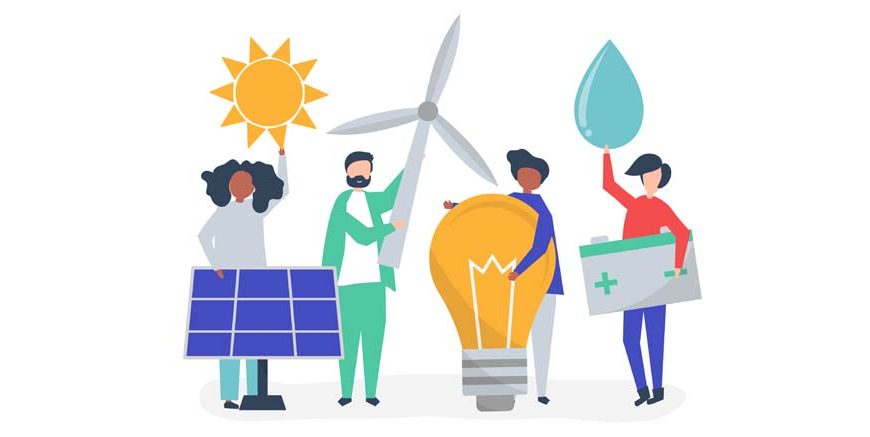
Alternative energy sources include solar, wind, hydropower, and biomass energy. Solar panels convert sunlight into electricity, wind turbines capture moving air, and flowing water generates hydropower. Biomass uses organic waste to create fuel. These examples help learners visualise how nature provides reliable energy when used responsibly. Understanding these systems encourages innovation and awareness from an early age.
The Best Capable Alternative Source for Future Energy Needs
When evaluating the best capable alternative source, solar energy consistently emerges as a leading option. Sunlight remains abundant and accessible across regions. Technological advancements continue to improve efficiency and reduce costs. Solar energy suits homes, schools, and industries alike, making it a scalable and future-ready solution. Its adaptability positions it as a cornerstone of sustainable energy planning.
Read More – Solar System Facts for Kids
Uses of Energy Sources Across Homes, Schools, and Industries
Different sources of energy support daily life in visible and invisible ways. Electricity powers communication, lighting, and learning environments. Fuels support transport and manufacturing. When learners see how energy affects every sector, they begin to value responsible usage. This awareness encourages smarter choices and long-term thinking.
Why Learning About Energy Sources Early Builds Responsible Thinkers
Early exposure to energy resources shapes curiosity, environmental awareness, and problem-solving skills. Children who understand energy concepts develop respect for natural resources and a sense of responsibility. This foundation supports academic confidence and nurtures informed citizens who understand the impact of their choices.
How EuroKids Simplifies Complex Energy Concepts for Young Minds
EuroKids focuses on experiential learning that connects concepts with observation and interaction. Children explore sources of energy through real-life examples rather than rote learning. The Heureka Curriculum supports inquiry-based learning, encouraging children to ask questions and discover answers through guided exploration.
EuroKids Admission and the Importance of Early Conceptual Learning
EuroKids Preschool Admission offers an environment where curiosity meets structure. Foundational concepts like energy receive age-appropriate explanation, ensuring clarity without pressure.
This approach builds lifelong learners who feel confident exploring the world around them. The EuroKids Blog provides reliable educational insights that simplify complex topics for parents, students, and educators. It supports informed decision-making through clear and meaningful content.
<strong Frequently Asked Questions
What are the sources of energy in simple words?
They are natural resources that provide power to do work, such as sunlight, wind, water, coal, and fuel.
Why is the Sun the main source of energy?
It supports life directly and indirectly by driving plant growth, climate systems, and renewable energy cycles.
What are alternative energy resources?
They are renewable energy sources that replenish naturally and reduce environmental harm.
Which is the best capable alternative source today?
Solar energy due to its availability, efficiency, and adaptability.
Why should children learn about energy early?
It builds awareness, responsibility, and scientific thinking from a young age.