Imagine a world where your morning toast is perfectly browned by the warmth of the sun and your evening lamp glows softly, powered by nothing more than an afternoon breeze. While this might sound like a passage from a futuristic novel, it is the tangible reality we are beginning to inhabit. As parents and professionals, you likely carry a quiet concern regarding the state of the planet we are preparing to hand over to our children. We face a genuine, modern dilemma: how do we maintain our high-standard lifestyles without depleting the very Earth that sustains us?
The solution lies in a fundamental shift in perspective, moving away from “using up” our environment and toward “using it wisely.” By deepening our understanding of the uses of renewable energy, we can mentor the next generation to see the world not as a finite petrol tank destined to run dry, but as a self-sustaining, resilient garden.
What is the Meaning of Renewable Resources?
To put it simply, what is the meaning of renewable resources? These are natural assets that can replenish themselves over a human timescale. Unlike fossil fuels, which take millions of years to form deep underground, renewable assets are part of the Earth’s ongoing cycles. Think of it like a bank account where the interest is added every single day. As long as you don’t withdraw more than the interest, the balance never disappears.
In a technical sense, these are “flow” resources. This includes everything from the sunlight hitting your roof to the wind rattling your windows. When we discuss what are renewable resources, we are talking about energy and materials that do not run out. This distinction is vital because it shifts our global economy from a “take-make-waste” model to a circular one where we live within the means of our planet.
Read More – The Sun as a Renewable Powerhouse: What Kids Should Know
Information About Renewable Resources and Their Origins
When we look for deep information about renewable resources, we find that they are almost all powered by the sun or the internal heat of our planet. The sun drives the weather, which creates wind. It also powers the water cycle, evaporating water that eventually falls as rain to fill our rivers and dams. Even plants and trees, which we call biomass, are essentially stored solar energy.
Currently, the UK is making massive strides in this sector. As of early 2026, renewable sources contribute to nearly 45% of the UK’s energy mix. Wind energy alone accounts for over 24% of that total. This isn’t just a trend for scientists; it is a fundamental shift in how we power our businesses, schools, and homes. For a professional looking to upskill, understanding this shift is crucial, as the renewable sector is now generating three times more jobs than the traditional fossil fuel industry.
Read More – Natural Resources: Definition, Types, Examples and Importance
Exploring 5 Renewable Resources You Should Know
To simplify the vast world of green energy, let’s look at 5 renewable resources that are changing the way we live. Each of these plays a unique role in our ecosystem and our economy.
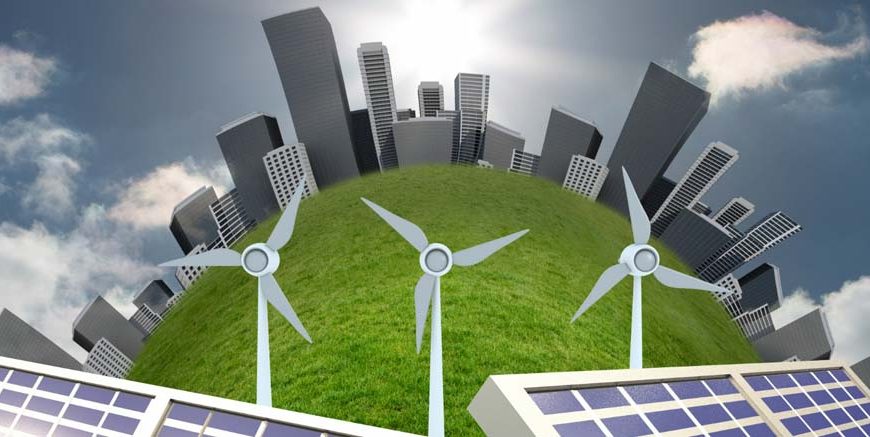
- Solar Energy: This is the most abundant resource we have. The amount of sunlight that hits the Earth in just one hour could power the entire world for a year. We use photovoltaic cells to turn this light into electricity, or thermal collectors to heat our water.
- Wind Energy: By placing large turbines in windy areas—both on land and at sea—we capture the kinetic energy of moving air. The UK is a world leader in offshore wind, utilizing the powerful gusts from the North Sea to keep the lights on in millions of homes.
- Hydropower: This involves using the force of flowing water to spin turbines. Whether it is a massive dam or a small river-run system, water provides a steady and reliable source of “baseload” power that doesn’t depend on the sun shining or the wind blowing.
- Biomass: This refers to organic material from plants and animals. When we burn wood or process agricultural waste into biofuels like ethanol, we are using stored energy. It is a brilliant way to turn waste products into a power source.
- Geothermal Energy: Deep inside the Earth, it is incredibly hot. By drilling wells, we can tap into this steam and hot water to heat buildings directly or generate clean electricity.
The Diverse Uses of Renewable Energy in Modern Life
The uses of renewable energy extend far beyond just turning on a light bulb. In the agricultural sector, farmers use solar-powered pumps to irrigate their crops, reducing their reliance on expensive diesel. In the world of transportation, bioethanol and biodiesel are being blended with traditional fuels to lower carbon emissions from lorries and ships.
Furthermore, renewable natural resources like timber and bamboo are replacing steel and concrete in the construction of eco-friendly office buildings. For business professionals, this shift represents a massive opportunity for innovation. Green building materials and sustainable supply chains are no longer just “nice to have”; they are essential for staying competitive in a world that values environmental responsibility.
Read More – Renewable Energy and Types of Renewable Energy for Kids
Teaching the Next Generation Through Heureka
At EuroKids, we believe that understanding the environment starts with how a child thinks about the world around them. This is why we implement the Heureka Curriculum, a visible thinking approach that encourages children to question, explore, and deeply understand concepts like sustainability. By nurturing this mindset early, we ensure that the leaders of tomorrow are naturally inclined toward protecting our renewable natural resources.
Conclusion
Transitioning to a world powered by the sun, wind, and water is one of the greatest challenges of our time, but it is also our greatest opportunity. When you choose a path of sustainability, whether in your business or your child’s education, you are choosing a future of abundance rather than scarcity.
If you are looking for a nurturing environment that prepares your child for this evolving world, explore our EuroKids Blog for more insights. We invite you to visit your nearest centre for EuroKids Preschool Admission and see firsthand how we are shaping the thinkers of tomorrow.
Frequently Asked Questions
Why are renewable resources better for the environment?
Renewable resources produce little to no greenhouse gas emissions during operation. This helps to slow down climate change and reduces air pollution, which is better for our children’s health.
Can renewable energy replace fossil fuels entirely?
Yes, with the right technology and storage systems like large-scale batteries, we can move toward a 100% renewable grid. Many countries are already aiming for this by 2050.
Is wood really a renewable resource?
Yes, as long as we plant more trees than we cut down. This is called sustainable forestry. Wood is a great example of a resource that is renewable if managed correctly.
How does EuroKids teach children about nature?
Through our Heureka Curriculum, we use “Thinking Routines” that allow children to observe the natural world, ask questions about how things grow, and understand their role in protecting the Earth.