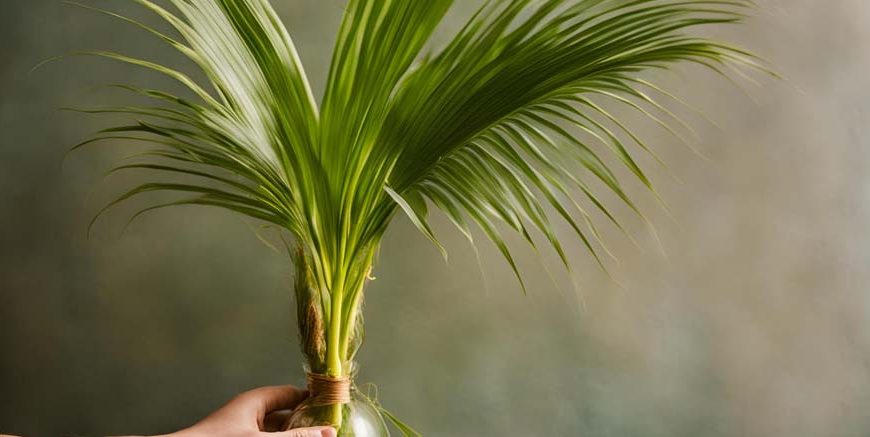
Most holidays to the seaside or pictures of sunny, tropical islands feature one very specific, towering silhouette. It is that tall, slender trunk topped with a magnificent crown of giant, green feathers swaying gently in the ocean breeze. While they are a famous symbol of relaxation and warm weather, these plants are actually fascinating marvels of nature’s engineering.
Instead of having thousands of tiny, delicate leaves that drop off every single autumn, they rely on massive, durable structures to catch the sunlight. Today, we are moving away from the typical oak and apple trees to uncover the secrets of these tropical giants, learning exactly how they grow and why they are so incredibly important to our planet.
What is Palm?
If you find yourself pointing at a tropical photograph and asking, “what is palm?”, you are looking at a highly unique family of evergreen plants. In the botanical and scientific community, they belong to a large, ancient family known as Arecaceae. Unlike the sturdy, woody trees you might see during a walk in a traditional British woodland, these tropical plants are actually much more closely related to the common green grass growing on your front lawn!
They absolutely thrive in warm, tropical, and subtropical climates around the globe. Because they love constant sunshine and plenty of water, you will naturally find them growing happily near sandy beaches, in humid, dense rainforests, and across vast, hot deserts where fresh water pools into an oasis. They are ancient, brilliant survivors, having successfully shared the Earth with the dinosaurs millions of years ago.
Read More – Exploring the Diverse Types of Trees
The Palm Leaf Meaning
When we look at the lush, green canopy of these plants, we have to deeply explore the true palm leaf meaning. To put it simply, palm leaves (which are more accurately called fronds) are the massive, evergreen foliage that grows strictly at the very top of the plant’s stem. Unlike the small, flat leaves of a maple or a birch tree, these giant structures are beautifully complex and robust. They are specially designed to withstand fierce tropical storms and incredibly high coastal winds without snapping.
Depending on the specific species, these giant fronds generally grow in two distinct, beautiful shapes. Some are shaped exactly like a massive, open human hand with the fingers spread wide; these are scientifically called palmate leaves. Others look very much like a giant bird’s feather, with small, individual leaflets growing outwards from a long, central stalk; these are known as pinnate leaves. Both designs are absolutely brilliant at catching the maximum amount of bright sunlight whilst letting strong, dangerous winds pass safely through the gaps.
Parts of a Palm Tree
To truly appreciate these tropical wonders, it is incredibly helpful to break down their unique physical structure. Understanding the different parts of a palm tree shows us just how uniquely they are built compared to standard garden trees.
- The Roots: Instead of having one massive, deep taproot that plunges straight down into the earth, they possess a wide, shallow, and highly fibrous root system. It spreads out like a massive, underground carpet to firmly anchor the tall plant in loose, shifting sand.
- The Trunk (or Stem): Unlike normal trees that grow a brand new, thick ring of solid wood every single year, this trunk is actually a spongy, flexible cylinder of hardened fibres. This brilliant, flexible design is exactly why they can bend so dramatically during a harsh hurricane without breaking!
- The Crown: This is the absolute top of the plant where all the biological magic happens. It is the central, vital growing point. If the crown is severely damaged or removed, the entire plant will unfortunately die.
- The Fronds: These are the giant palm leaves we mentioned earlier. They sprout directly from the crown, continuously opening up and replacing older, dying fronds that naturally turn brown and fall to the ground.
Read More – Banyan Tree Explained for Children
How We Use Them
These incredible plants are not just pretty scenery to look at; they are unbelievably useful. For thousands of years, people living in hot, coastal climates have relied heavily on these giant fronds for their daily survival. Because the natural material is wonderfully waterproof and remarkably tough, entire communities use them to weave strong, protective roofs for their homes to keep the heavy rain out.
In many coastal cultures, the flexible leaflets are expertly woven together by hand to create practical, everyday items like sturdy shopping baskets, wide-brimmed sun hats, and comfortable sleeping mats. Furthermore, they serve as excellent, natural food wrappers. Delicious local dishes are often wrapped tightly inside the green foliage before being steamed over a hot fire, which brilliantly locks in the moisture and adds a wonderful, earthy flavour to the meal.
Conclusion
Looking high up at the giant, swaying canopy of a tropical beach teaches us a profound, silent lesson about nature’s brilliant adaptability. From their shallow, gripping roots to the incredibly flexible, wind-resistant fronds at the very top, every single part of this ancient plant is perfectly designed to survive and thrive in some of the world’s harshest, hottest environments.
It is a beautiful reminder that there is no single ‘right’ way to grow; the natural world is full of highly creative, wonderfully bizarre solutions to everyday physical challenges. By encouraging our children to deeply explore and understand these different biological structures, we actively build their lifelong appreciation for the vast, diverse planet we all proudly share. To uncover more fascinating educational journeys and to actively support your child’s brilliant path of discovery, visit the EuroKids Blog and find out all the essential details regarding EuroKids Preschool Admission today.
FAQs
What exactly are palm leaves?
They are the large, evergreen foliage, often called fronds, that grow directly from the top crown of the plant, typically shaped like either a giant feather or a wide, open hand.
Is a palm a true woody tree?
No, botanically speaking, they are not true trees. They belong to the Arecaceae family and are actually more closely related to common grasses, having a flexible, fibrous stem rather than solid wood.
What are the main parts of this tropical plant?
The primary structure consists of a shallow, fibrous root system, a flexible, unbranched trunk, and a single top crown where all the giant fronds grow.