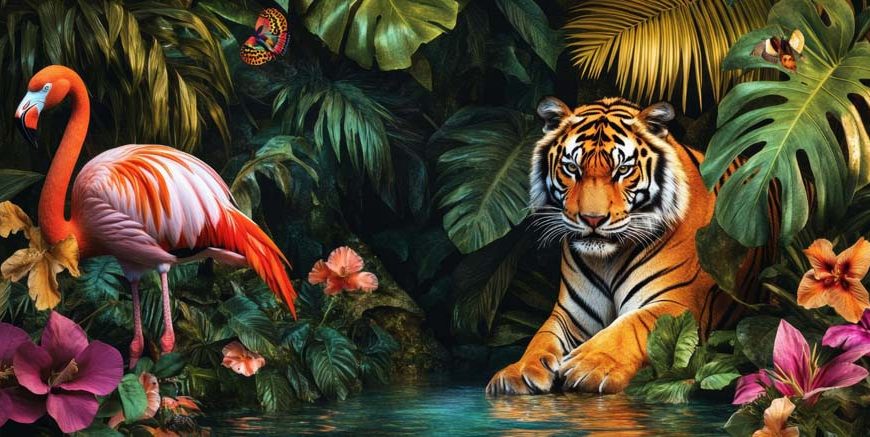
Educating young minds about the natural world often presents a unique challenge for parents and educators. Children possess a natural curiosity and they constantly ask questions about the trees in the park, the birds in the sky, and the insects on the ground. When you try to explain these complex biological concepts, finding the right words becomes crucial. You want to provide accurate information without overwhelming them with scientific jargon. This blog aims to solve that problem by breaking down essential environmental concepts into easily digestible pieces. We will explore what is flora and fauna, providing a clear foundation for your children. Understanding the flora and fauna meaning helps children appreciate the environment and fosters a sense of responsibility towards our planet. By the end of this guide, you will have the knowledge and tools to confidently answer their questions and spark a lifelong interest in nature.
Understanding the Basics: The Green World
Let us start by looking at the green side of our world. If your child asks what is flora, you can simply tell them it refers to all plant life present in a particular region or time period. The word originates from Roman mythology, where Flora was considered the goddess of flowers and spring. In scientific terms, this category includes everything from the tiniest mosses growing on rocks to the giant redwood trees towering in dense forests.
When we talk about plant life, we classify species based on their region, climate, and special adaptations. Some plants naturally grow in dry deserts and store water in their thick leaves, while others thrive in wet, tropical areas with massive leaves to catch sunlight. Teaching your child about these different plant types helps them understand how nature adapts to survive in different conditions. You can start this education in your own backyard or local park by pointing out the different types of grasses, flowers, and trees that grow naturally in your specific climate.
Read More – Flowering Plants
Understanding the Basics: The Animal Kingdom
Now we shift our focus to the animal kingdom. The fauna meaning relates to all the animal life found in a specific region or time. Similar to its plant counterpart, this term comes from Roman mythology, naming the goddess of earth and fertility, Fauna. This category is incredibly broad and fascinating for young learners. It includes microscopic organisms, insects, colourful birds, reptiles, fish, and large mammals.
When you teach your kids about fauna, you can explain how animals are grouped by their habitats and diets. Some animals eat only plants, some eat other animals, and others eat both. Understanding these categories allows children to see the vast diversity of life on Earth. You can use their favourite animals as starting points. If they love lions, explain the habitat a lion needs to survive. If they prefer fish, discuss the aquatic environments that support marine life.
Exploring the Meaning: Connecting the Terms
Combining these two terms gives us a complete picture of an ecosystem. So, what is the meaning of flora and fauna when used together? It describes the entire collection of living organisms in a specific area. These two groups do not just exist next to each other in isolation. They constantly interact and depend on one another for basic survival.
Plants produce the oxygen that animals need to breathe. In return, animals produce carbon dioxide, which plants require to make their food. Many animals also rely on plants for shelter and food, while plants often depend on animals for pollination and seed dispersal. This beautiful, ongoing relationship creates a balanced environment. When you explain this connection to your children, they begin to see the world as a complex, interconnected web of life rather than a collection of random objects.
The Key Differences Between Plant and Animal Life
While they work together harmoniously, the differences between these two groups are fundamental. The most obvious difference lies in movement. Animals can move freely from one place to another to find food, escape danger, or seek better weather conditions. Plants remain rooted in one spot for their entire lives, adapting to their immediate surroundings.
Another major difference is how they obtain food. Plants are self-sufficient food producers. They use sunlight, water, and carbon dioxide to create their own energy through a process called photosynthesis. Animals cannot make their own food internally and must consume plants or other animals to survive. Furthermore, at a microscopic level, plant cells have rigid walls that give them structure, while animal cells do not. Explaining these basic biological differences helps children categorise the living things they see every day in a logical way.
Read More – Fun and Engaging Plant Life Cycle
Fascinating Examples Across Regions
To make these concepts real and tangible for your child, it helps to look at specific examples from different regions. The fauna of India is incredibly rich and diverse, offering perfect examples for young learners. India is home to majestic animals like the Bengal tiger, the Indian elephant, and the one horned rhinoceros. You can show your children pictures or documentaries of these animals to spark their visual interest and explain the specific forests and grasslands they call home.
Moving to specific local ecosystems, the fauna of Sikkim includes unique and beautiful creatures adapted to specific altitudes. This region hosts the elusive snow leopard and the adorable red panda, which is the state animal. These examples show how animals develop thick fur and unique climbing abilities to adapt to living in high mountains and dense alpine forests.
We must also explore unique plant life to complete the picture. Let us look at the flora of Ladakh, a region known for its harsh, cold desert conditions. Despite the extreme weather, specific resilient plants survive there. You will find hardy alpine shrubs, wild roses, and various medicinal herbs that have adapted to the rocky soil and very low rainfall. These plants look very different from the lush green trees found in tropical areas. Discussing these extreme examples teaches children about resilience and survival in nature. It shows them that life finds a way to thrive even in the most difficult environments.
Why These Natural Elements Matter
Understanding the importance of these living things goes beyond simple education. It is quite literally about the survival of our planet. The flora and fauna of our world provide the basic necessities for human life and economic stability. Plants clean the air we breathe, filter the water we drink, and stabilize the soil to prevent floods. They provide the raw materials for our clothes, homes, and critical medicines used in healthcare.
Animals also play crucial roles in maintaining healthy environments. Predators keep prey populations in check, preventing any one species from overpopulating and destroying the plant life. Insects pollinate the crops that provide our daily food supply. When children learn about these vital roles early on, they develop a sense of respect and deep responsibility. They understand why conservation efforts are necessary to protect our future and maintain a healthy, balanced Earth.
Guiding Your Child’s Learning Journey
Teaching your kids about the natural world is a highly rewarding journey that shapes their fundamental understanding of life on Earth. As parents, you hold the power to nurture their curiosity and provide them with accurate, engaging information. Taking them on nature walks, reading informative books together, and discussing the environment daily builds their cognitive skills and emotional intelligence.
The EuroKids HEUREKA curriculum fosters this exact type of inquisitive learning by encouraging children to discover the natural environment through interactive experiences. If you want to give your child a strong foundation in a supportive and engaging environment, we encourage you to explore EuroKids Preschool Admission details for the upcoming academic year. You can also find more educational resources, parenting tips, and engaging articles in the EuroKids Blog section on our website. Together, we can help the next generation grow into responsible, knowledgeable caretakers of our beautiful planet.
Frequently Asked Questions
How do I explain these concepts to a very young child?
Keep your explanations simple and relatable. Use everyday objects and sights. Point to the trees and flowers in your garden and call them flora. Point to the birds, bugs, and family pets and call them fauna. Repetition and visual association work best for young minds.
Why is it important for kids to learn about the environment early?
Early education builds a foundation of respect and empathy for living things. Children who understand how nature works are more likely to grow into adults who value conservation and make responsible choices regarding the environment.
Can you give a simple example of how plants and animals help each other?
A very simple example is bees and flowers. The flower provides sweet nectar for the bee to eat. As the bee collects the nectar, pollen sticks to its body. When the bee flies to another flower, it drops the pollen, which helps the plants grow new seeds.
What are some fun ways to teach children about local wildlife?
Create a simple nature scavenger hunt in your local park. Give them a list of basic items to find, like a smooth leaf, a brown bug, a yellow flower, or a bird feather. This turns learning into an active, exciting game.
How does weather affect the types of plants and animals in an area?
Weather determines what can survive in a specific place. Animals in cold snowy areas grow thick fur to stay warm, while plants in hot dry deserts grow thick stems to store water. You can explain that nature always gives living things special tools to survive their specific weather.