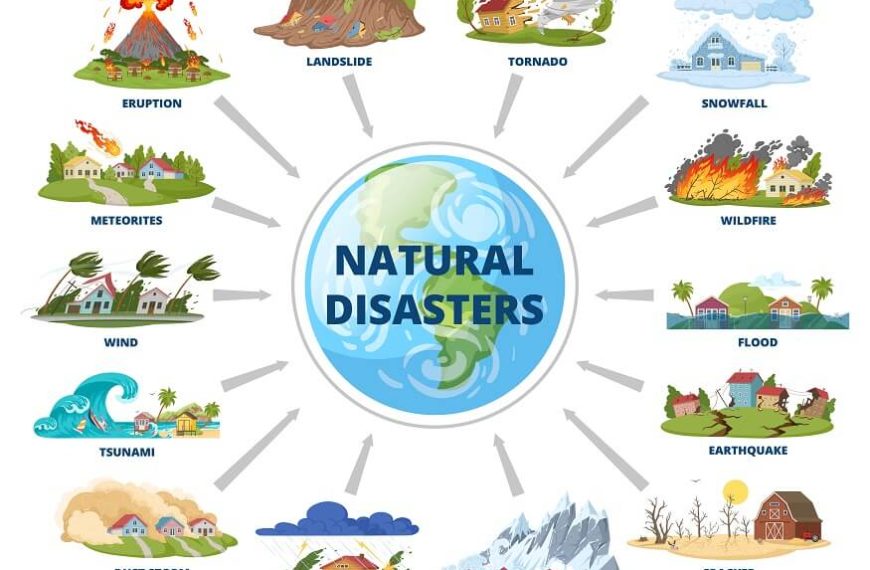
Imagine spending hours building a brilliant sandcastle on the beach, only for a sudden, massive wave to wash it away in a split second. That feeling of surprise is a tiny, miniature glimpse into how our planet operates on a much grander scale. The Earth is incredibly beautiful, but it is also a restless, active place. It stretches, shifts, and sometimes throws a bit of a tantrum.
When these giant terrestrial tantrums happen, they can change the landscape overnight. But why do they happen? And more importantly, how can we understand them better so we can stay safe? Today, we are going to dive into the raw power of our planet, decode the terminology, and learn how we can protect our communities.
Defining the Chaos: What is the Meaning of Natural Disaster?
Before we look at the science, let us get our definitions straight. If a younger sibling asks you, “what is natural disaster?”, how would you explain it?
To understand what is the meaning of natural disaster, think of it as an extreme, sudden event caused by environmental factors that results in significant damage to property, the environment, and human life. When people ask, “what do you mean by natural disaster”, they are usually talking about massive events like earthquakes, hurricanes, floods, or volcanic eruptions.
You might also hear grandad watching the evening news and asking, “what is natural calamities?” Do not let the vocabulary confuse you. A natural calamity is simply an older, more traditional term for the exact same thing, a severe, destructive event brought on by the forces of nature.
The Tipping Point: Explain How a Natural Hazard Becomes a Disaster
Here is a fascinating concept that most adults do not even realise. There is a strict difference between a “hazard” and a “disaster”.
If your teacher asks you to explain how a natural hazard becomes a disaster, use the deserted island example. Imagine a massive, fiery volcano erupting on a tiny, empty island in the middle of the Pacific Ocean. There are no people, no houses, and no roads. That eruption is just a natural hazard. It is a dangerous physical event, but it is not harming human society.
However, if that exact same volcano erupts right next to a busy, crowded city, destroying homes and forcing families to flee, that hazard officially becomes a disaster. A disaster only happens when the wild forces of nature collide directly with human populations.
Digging Deep: Causes of Disaster
Our planet is like a giant, jigsaw puzzle constantly in motion. When we look at the primary causes of disaster, they usually fall into a few specific categories:
- Tectonic Shifts: The Earth’s crust is made of massive puzzle pieces called tectonic plates. When these plates grind together, get stuck, and suddenly snap, they release enormous energy. This is what causes devastating earthquakes and tsunamis.
- Meteorological Forces: These are weather-related causes. When warm ocean waters mix with specific wind patterns, they can spin into violent hurricanes or typhoons.
- Climatological Factors: Long-term weather changes can lead to severe droughts (when there is no rain for months) or out-of-control wildfires in dry forests.
Read More – Wildfire Disaster: Learn Definition, Impacts & Causes
The Aftermath: Causes and Effects of Natural Disasters
Understanding the causes and effects of natural disasters is crucial for knowing how to recover from them. The consequences of disaster stretch far beyond the initial event.
When a flood washes through a town, the immediate effect is water damage to homes and shops. But the long-term consequences are often much harder to fix. Floods can contaminate the local drinking water, ruin the crops farmers need to sell, and destroy habitats for local wildlife. An earthquake might knock down a bridge, meaning food delivery lorries cannot reach the local supermarket. The effects ripple outwards, touching every single part of a community’s daily life.
Why We Step In: Causes of Disaster Management
Because the consequences are so severe, humans have had to become very clever at responding. This brings us to the causes of disaster management.
Disaster management exists because we cannot simply cross our fingers and hope for the best. We need dedicated teams, plans, and resources to minimise the damage. The primary causes driving this management are the urgent need to save lives, coordinate rescue helicopters, distribute clean drinking water, and rebuild stronger towns once the storm has passed. It is all about being proactive rather than reactive.
Read More – Facts About Floods
10 Ways to Prevent Natural Disasters (and Their Impacts)
While we cannot physically stop a tectonic plate from shifting or tell a raincloud to go away, we can certainly prevent these hazards from becoming devastating disasters. Here are 10 ways to prevent natural disasters from causing absolute havoc:
- Planting More Trees: Tree roots act like natural nets, holding soil together and preventing dangerous mudslides during heavy rain.
- Protecting Wetlands: Swamps and marshes act like giant sponges that absorb excess floodwater before it reaches our homes.
- Constructing Smart Buildings: Engineers now design houses with flexible foundations that wobble during an earthquake instead of collapsing.
- Setting Up Early Warning Systems: Sirens, radio alerts, and mobile phone texts can give people precious minutes to evacuate before a tsunami hits.
- Preserving Coral Reefs: Healthy coral reefs in the ocean act as underwater walls, breaking the power of massive storm waves before they hit the beach.
- Avoiding High-Risk Zones: City planners can pass laws stopping people from building houses right on the edge of unpredictable rivers.
- Reducing Carbon Footprints: By fighting global climate change, we can help calm the warming oceans, which fuels the most violent hurricanes.
- Running Community Safety Drills: Practising earthquake drills at school ensures kids know exactly where to hide (like under a sturdy desk) when the ground shakes.
- Creating Family Emergency Kits: Having a bag packed with a torch, first-aid supplies, and bottled water means families are ready if the electricity fails.
- Building Levees and Dams: These strong concrete walls help control river flows, keeping floodwaters safely contained during heavy spring showers.
Summary
We live on a brilliant, dynamic, and sometimes dangerous planet. While the ground beneath our feet feels solid, it is constantly changing, breathing, and reshaping itself.
It is easy to look at the news and feel frightened by the sheer power of the Earth. But rather than being afraid, we should be prepared. By understanding what causes these events, we shift our mindset from fear to respect. We cannot stop the wind from blowing or the ground from moving, but we can build stronger homes, look out for our neighbours, and learn to live in harmony with our wild, wonderful world. The ultimate power does not just lie in the storms; it lies in our human ability to rebuild and adapt.
To explore more educational insights and discover how to nurture a curious, resilient mind, drop by the EuroKids Blog, and find out how your child’s learning journey can begin with EuroKids Preschool Admission.
FAQs
1. Can animals predict a natural disaster?
Many scientists believe that certain animals have heightened senses that allow them to feel the tiny vibrations of an earthquake or changes in air pressure before a storm, causing them to act restlessly before the event happens!
2. What is the most common natural disaster?
Floods are the most common and widespread of all weather-related natural disasters, occurring in nearly every single country around the globe.
3. What is the difference between a hurricane, typhoon, and cyclone?
They are actually the exact same type of storm! The only difference is where they happen. They are called hurricanes in the Atlantic Ocean, typhoons in the Northwest Pacific, and cyclones in the South Pacific and Indian Ocean.