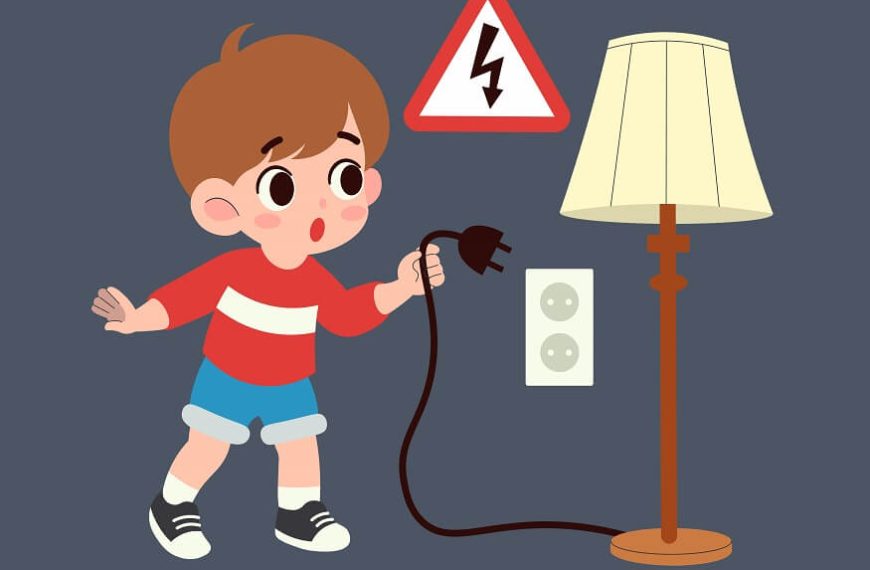
Think about the last time you plugged a tablet or a bedside lamp into the wall socket. You did it without a second thought, completely safe from the raw, buzzing power hiding just behind the plaster. Electricity is a wild, incredibly fast energy, travelling through metal wires to bring our homes to life. But how do we tame this wild energy? How do we hold cables and press buttons without getting a nasty shock? The secret lies in a special group of materials that act as invisible, silent shields.
Today, we are going to dive into the brilliant science of safety. We will explore these unsung heroes of the physical world, decode some tricky science vocabulary, and discover how blocking power is just as important as creating it.
Explaining Insulator Concepts
If a curious child tugs on your sleeve and asks you to explain insulator behaviours, the easiest way is to use a traffic analogy. Electricity is like a stream of very fast, very eager race cars. A conductor (like a copper wire) is a smooth, open motorway that lets the cars zoom past.
So, what is insulator material in this scenario? It is a massive, unbreakable brick wall built right across the motorway. It is a material that stubbornly refuses to let electrical current flow through it. Inside an electrical insulator, the tiny building blocks called electrons are holding hands very tightly. They refuse to move or share their energy. Because they will not budge, the electricity is stopped completely in its tracks. Without these blocking materials, using modern technology would be utterly impossible and highly dangerous.
Read More – Good and Bad Conductors of Electricity
5 Examples of Insulators
You do not need a fancy science laboratory to find these protective shields; they are hiding in plain sight all over your home! If a school project asks for 5 examples of insulators, you can easily point out these everyday heroes:
- Rubber: This flexible material is an absolute champion. It is the reason electricians wear thick rubber boots and gloves when fixing local power lines.
- Plastic: Take a close look at the outer coating of your television plug or phone charger. That tough casing is purely plastic, keeping your fingers safe from the current.
- Glass: While it shatters easily, glass is brilliant at blocking electric currents.
- Dry Wood: A wooden spoon or a dry wooden chair will not carry a current. However, it must be perfectly dry, as water ruins the shield!
- Air: Yes, the very air in your living room is a barrier! It stops the electricity inside your wall sockets from jumping across the room to zap you.
To see a perfect insulator example in action, look inside your dad’s toolbox. A standard screwdriver perfectly highlights two examples of insulator materials working together: the handle is usually made of hard, moulded plastic and is often coated with a layer of grippy rubber, ensuring the user is perfectly safe whilst fixing a plug.
Expanding the List: 10 Examples of Insulators
Once you start looking, you will notice these barriers everywhere. We can easily expand our knowledge to find 10 examples of insulators used in our daily lives. Let us add five more to our previous list:
- Ceramic: Often used inside heavy-duty electronics and power stations.
- Paper: A thick sheet of dry paper is a fantastic blocker.
- Cotton Cloth: Your dry t-shirt or a fluffy towel acts as a natural barrier.
- Styrofoam: Commonly used to pack fragile parcels, it also stops electricity dead.
- Fibreglass: Hidden inside the walls of your house, it keeps you warm and safely blocks stray currents.
Read More – What Is an Electric Circuit? Facts & Examples for Students
Best Insulator of Electricity
Is there a supreme champion amongst all these materials? People often wonder, what is the best insulator of electricity?
While rubber and plastic are fantastic for small household gadgets, they can melt if the power gets too high. When scientists and engineers build massive, high-voltage power lines across the countryside, they need something much tougher. They rely on pure glass and specially treated ceramics. If you look at the top of a wooden telegraph pole, you will often see ridged, bell-shaped objects holding the wires. Those are heavy-duty ceramic or glass shields, chosen because they can handle extreme voltages and survive years of harsh UK weather without breaking down.
Application of Conductors and Insulators
In the real world, these materials never work alone. The true magic happens when we look at the application of conductors and insulators working as a team.
Think of a standard charging cable for a video game controller. The conductor (the shiny copper wire hidden inside) acts as the fast motorway, carrying the electrical power directly to your battery. The insulator (the colourful plastic coating on the outside) acts as the crash barrier, keeping the electricity safely trapped inside the wire and stopping it from escaping into your hands. One material pushes the power forward, whilst the other keeps it perfectly contained. They are the ultimate superhero partnership!
Summary
We spend so much time marvelling at what electricity can do. We love watching bright screens, making hot toast, and turning on the lights with the flick of a switch. But it is quite remarkable to realise that our modern world is completely reliant on the things that stop electricity.
Without these protective, stubborn materials, we could never harness the wild energy of the universe. The next time you safely plug in your favourite toy, take a brief moment to thank the plastic and rubber keeping you safe. It teaches us a brilliant life lesson: sometimes, the most important job in the world isn’t pushing things forward, but knowing exactly when and where to set a strong boundary.
To explore more wonderful science facts, parenting insights, and engaging educational strategies, hop over to the EuroKids Blog, and find out everything you need to know about starting an incredible learning journey through EuroKids Preschool Admission.
FAQs
1. Why is water dangerous around electricity if air is an insulator?
While pure, distilled water is actually an insulator, the tap water and rain we interact with are full of tiny minerals and salts. These microscopic minerals turn regular water into a highly efficient conductor, which is why we must never touch plugs with wet hands!
2. Do insulators stop heat as well as electricity?
Often, yes! Materials like wood, fibreglass, and styrofoam are excellent at blocking both electricity and heat. This is why a wooden spoon won’t burn your hand when stirring hot soup, whereas a metal spoon will.
3. Can an insulator ever turn into a conductor?
Yes, if the electrical power is absolutely massive. For example, the air between the clouds and the ground is an excellent barrier, but a giant lightning bolt carries so much raw energy that it forcefully pushes through the air, turning it into a temporary conductor!