Children spend the first few years of their lives living in a world built entirely for giants. They are constantly reaching up for door handles they cannot quite grab, stretching for kitchen counters they cannot see over, and attempting to sit on dining chairs that leave their legs dangling in the air. Their daily reality is heavily dictated by physical dimensions. Because of this, teaching them the specific English vocabulary to describe size is not just a standard classroom language lesson; it is giving them the vital tools they desperately need to explain how they fit into their own environment.
When a child finally learns how to clearly vocalise that a pair of shoes hurts their feet or a toy is out of their reach, a massive amount of daily frustration instantly disappears. Today, we are looking closely at how to teach these essential descriptive words at home, helping young minds understand physical boundaries and spatial awareness without making it feel like boring homework.
The Daily Puzzle of too big too small
If you want a toddler to understand a brand new concept, you have to connect it directly to their own body. The idea of too big too small is best taught through the classic game of dress-up.
Watch a three-year-old try to put on their father’s heavy winter wellington boots. They slide their tiny feet inside, stand up, and immediately try to walk across the kitchen floor. The boots flop around, they trip over the massive toes, and they end up laughing on the floor. At that exact moment, you have the perfect opportunity to introduce the language. You can point and say, “Those boots are way too big!”
Conversely, hand them a tiny baby sock they wore when they were a newborn and ask them to pull it over their heel. When it gets stuck over their toes, you can clearly explain that the sock is now too small. The contrast is highly physical and immediate. The child feels the heavy looseness of the giant boot and the tight squeeze of the tiny sock. This physical feedback cements the vocabulary into their brain far quicker than simply looking at a drawing in a picture book. They learn that the world is full of objects that do not quite fit right, and they now have the exact words to describe that slightly uncomfortable feeling.
Read More – Opposite Words in English for Kids
Learning to Sort from small to big
Once they grasp the extreme opposites of size, the next logical step is teaching them how to arrange things in a proper sequence. Moving items from small to big is a fantastic crossover skill. It is not just about English vocabulary; it is actually a foundational maths skill that teaches early logic and categorisation.
Children naturally love to create order out of chaos. You will often find them sitting on the living room rug, carefully lining up their plastic farm animals or toy cars in a long, straight row. You can easily turn this natural habit into a focused learning game. Gather a random selection of household items, perhaps a teaspoon, a dessert spoon, and a large wooden cooking spoon. Ask your child to lay them out on the table, starting with the tiniest one and finishing with the giant one.
As they physically move the items around, narrate their actions. Talk about how the teaspoon is the smallest, the dessert spoon is slightly bigger, and the wooden spoon is the biggest of them all. This helps them understand that size is not just a binary choice between massive and tiny. It is a sliding scale. Teaching them how to sequence from small to big heavily sharpens their visual discrimination, forcing them to look incredibly closely at the objects in front of them to figure out exactly where they belong in the lineup.
Read More – Thick and Thin Concept for Preschoolers
Dealing with Things That Are too small
There is a highly emotional side to this specific vocabulary that parents often overlook. Growing up happens incredibly fast, and children regularly form intense emotional attachments to their favourite belongings.
It can be genuinely upsetting for a young child when they suddenly realise their absolute favourite superhero pyjamas are now too small to wear comfortably. The sleeves ride up to their elbows, and the buttons stretch tightly across their tummy. They might throw a massive tantrum because they simply do not want to let the item go.
Using clear, descriptive language helps soothe this tricky transition. Instead of just throwing the old clothes into a charity bag while they are asleep, talk to them about the process. Explain that the jumper has not changed, but their strong body has grown brilliantly big. You can proudly celebrate the fact that the item is outgrown because it means they are eating well and getting stronger every single day.
Reframing the loss of a favourite item into a celebration of their own personal growth turns a potential meltdown into a moment of genuine pride. It is exactly this kind of thoughtful, child-centred approach to emotional development that sits right at the heart of the Heureka Curriculum, ensuring kids feel completely understood as they navigate a rapidly changing world.
Everyday Games to Teach Size
You definitely do not need expensive educational toys to teach these spatial concepts. Your house is already packed full of brilliant, free teaching materials. Here is a practical list of quick activities you can do today:
- The Laundry Sorting Game: When you empty the washing machine, dump the clean socks onto the bed. Ask your child to find the giant adult socks and separate them from the tiny child socks.
- Nesting Kitchen Pots: Pull out your plastic mixing bowls or cooking pots. Show your child how the little bowl has to go inside the bigger bowl, or they will not fit in the cupboard.
- Nature Walk Collections: Go for a walk in the local park and challenge your child to find three different leaves. Ask them to arrange their crunchy leaves on the pavement in order of size.
- The Bear Family: Use their soft toys to create a family. Find a massive teddy for the dad, a medium one for the mum, and a tiny one for the baby.
Read More – Guide to Teaching English Grammar for Kids
Conclusion
It is a fascinating thought that teaching a child about physical dimensions is actually teaching them about their own place in the universe. Every time they figure out that a wooden block will not fit through a plastic hole, or realise they can finally reach the bathroom sink without a step stool, they are actively mapping out their environment. By giving them the exact words to describe what fits, what squeezes, and what swallows them whole, we hand them the power to confidently navigate their daily lives.
We are not just teaching them English adjectives; we are helping them make sense of a giant world that is constantly shifting around them. Give them the freedom to try on the big shoes, squeeze into the tiny boxes, and figure out the puzzle for themselves. To discover more about our engaging early years learning methods, read the latest articles on the EuroKids Blog and secure a bright future for your little one through EuroKids Preschool Admission.
FAQs
At what age do kids understand the concept of size?
Most toddlers start grasping basic size differences around the age of two, especially when it directly relates to their own toys or snacks, though sequencing takes a little bit longer to master.
Why does my child always want to play with boxes they cannot fit into?
Children learn through intense physical trial and error. Squeezing into tight spaces gives them deep sensory feedback, helping their brain figure out exactly where their body ends and the rest of the world begins.
Should I correct them if they put things in the wrong order?
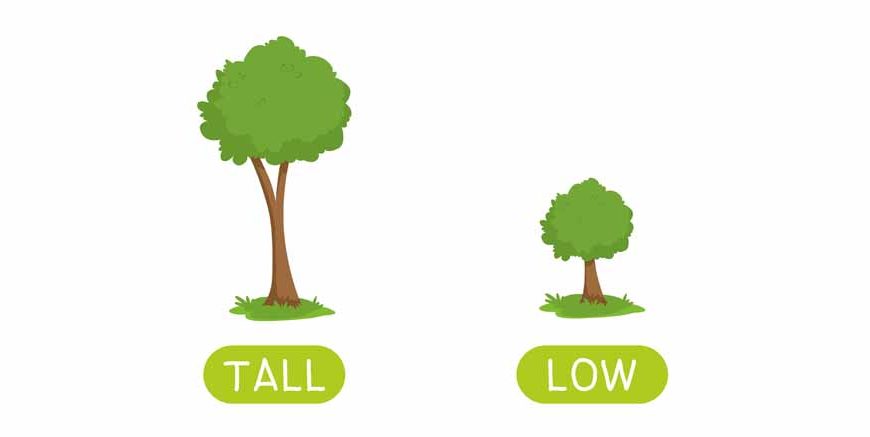
Gently guide them rather than harshly correcting. You can playfully hold the two mismatched items side-by-side and ask, “Does this one look a little bit taller to you?” to encourage them to spot the mistake themselves.