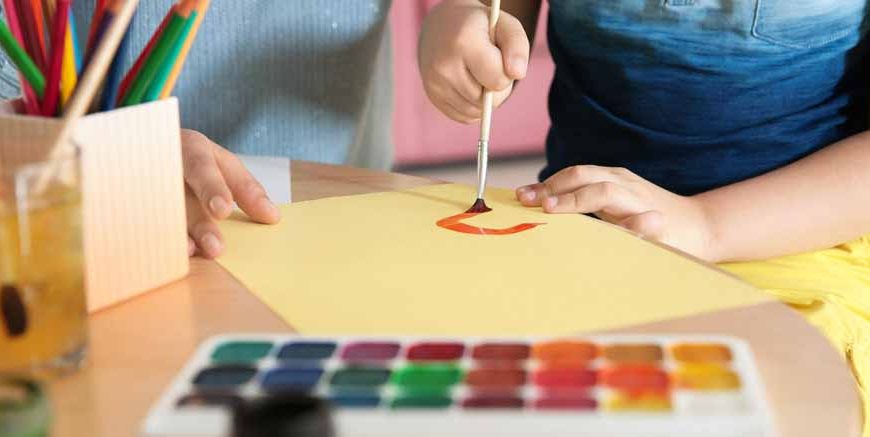
Hand a three-year-old a fresh set of poster paints, and within five short minutes, they will inevitably create a giant, muddy puddle of dark brown across the entire table. That chaotic, messy enthusiasm is the perfect starting point for one of the most exciting artistic journeys a young mind can possibly take. Before a toddler can successfully paint a realistic green tree or a bright orange tiger, they must understand the fundamental building blocks of the visual world.
It is not simply about getting them to memorise a chart on a classroom wall; it is about helping them grasp how light and raw pigments work together to create every single beautiful shade we see in nature. Teaching this concept early provides a vital foundation for their future creative expression and critical thinking.
The True primary colours meaning
To a developing preschooler, the world is just a massive, disorganised jumble of bright hues. Explaining the primary colours’ meaning is exactly like handing them the master keys to a magical kingdom. It simply means that these specific shades are the absolute originals. They are the proud parents of the entire colour wheel.
No matter how hard you try, how much you stubbornly mix, or what expensive fancy paints you buy from the local craft shop, you absolutely cannot create these three shades by mixing other paints together. They exist entirely on their own, and every other shade on the planet desperately relies on them to exist.
Read More – Color Activities for Preschool that Engage Children’s Minds
Crafting a Clear primary colors definition
When a highly curious child suddenly asks where the red paint actually comes from, we need a straightforward, relatable answer. The absolute best primary colors definition for a preschooler is this: they are the three big boss colours of the world, red, blue, and yellow. They are the superhero team of the art box. You cannot make them, but they have the special power to make absolutely everything else. By keeping the explanation this straightforward, you immediately stop the concept from feeling like a boring, rigid science lesson and turn it into an exciting, exclusive club of special paints that the child gets to control.
Spotting the basic colors for kids in Everyday Life
The absolute best classroom for teaching this visual concept is your own kitchen or the local park. You really do not need expensive flashcards to point out the basic colors for kids. Nature and common household items provide brilliant, highly tactile examples that kids can actually touch and hold.
Focus entirely on one shade per day to avoid visual overwhelming. For red day, let them handle the bright, smooth skin of a crunchy apple, play with a shiny plastic fire engine toy, or slice up a ripe summer strawberry. On a blue day, point upwards to a clear summer sky, let them splash in a cool puddle of water, or simply look at their favourite pair of denim trousers. For yellow day, let them hold a bumpy, sour lemon, point out the warm afternoon sun, or spot a loud, honking school bus driving down the road. Tying the abstract concept directly to physical objects cements the knowledge deeply into their memory.
Read More – How Colour Recognition Boosts Brain Development in Early Childhood
Figuring Out what are primary colours and secondary colours
Once they confidently know the big three, the real magic trick finally begins. Understanding what are primary colours and secondary colours is essentially a child’s very first practical chemistry lesson. When two of the original “boss” shades hold hands and actively mix together, they magically create a brand new secondary shade.
- Mixing confident red and bright yellow gives you a loud, warm orange.
- Blending cool blue and cheerful yellow creates a vibrant, grassy green.
- Smashing powerful red and deep blue together results in a rich, royal purple.
It completely blows a toddler’s mind to watch two distinct, separate puddles of paint merge to form a completely different hue right before their eyes. It feels like real magic, and they are the wizard casting the spell.
Hands-on Activities to Master the Concept
Memorising names is boring, but getting your hands messy is brilliant. Here is a helpful list of highly engaging, physical activities to teach these visual concepts at home without relying on a digital screen:
- The Melting Ice Cube Trick: Freeze red, blue, and yellow food dye into water using a standard ice cube tray. Drop a solid red cube and a solid yellow cube into a clear glass of warm water. As they melt, your child will watch the water slowly transform into bright orange.
- Shaving Foam Swirls: Squirt a massive pile of cheap, white shaving foam onto a metal baking tray. Add a few drops of red and blue liquid colouring. Hand your child a wooden spoon and let them vigorously swirl the foam to create massive streaks of purple. It is a fantastic sensory experience.
- Window Light Catchers: Cut out squares of red, blue, and yellow tissue paper. Use a little bit of water to stick them directly onto a sunny window pane. When you overlap the blue and yellow paper, the afternoon sunlight streaming through will clearly show a bright green square.
Read More – Best Group Activities for Students
Conclusion
It is genuinely thought-provoking to realise that learning how to identify and mix these foundational shades is far more than just a messy rainy-day art project. It is a profound, foundational lesson in cause and effect. It teaches young, growing minds that they have the actual creative power to manipulate their environment and invent something entirely new from a few basic ingredients.
Grasping the clear logic behind the colour wheel actively builds critical thinking, sharpens early observation skills, and sparks a lifelong appreciation for the vibrant, changing beauty of the natural world. Nurturing this exact kind of creative, hands-on discovery is deeply embedded within the brilliant Heureka Curriculum. To find more fantastic ways to support your child’s artistic and cognitive development at home, explore the latest educational resources on the EuroKids Blog and secure their vibrant academic future today through EuroKids Preschool Admission.
FAQs
At what age do children usually recognise these original shades?
Most toddlers start accurately identifying, matching, and properly naming the main shades between the ages of two and three years old, though it takes a bit of time to get the names perfectly right every time.
Why does my child keep mixing everything into a muddy brown mess?
Because they are highly enthusiastic! When you aggressively mix all three foundational shades together at the exact same time, they naturally cancel each other out and create a dark brown or muddy grey.
Is it entirely normal for a preschooler to confuse blue and green?
Absolutely. Visual discrimination takes serious time to fully develop, and many cool shades look incredibly similar to a developing, untrained eye. Patience and gentle corrections are all that is needed.