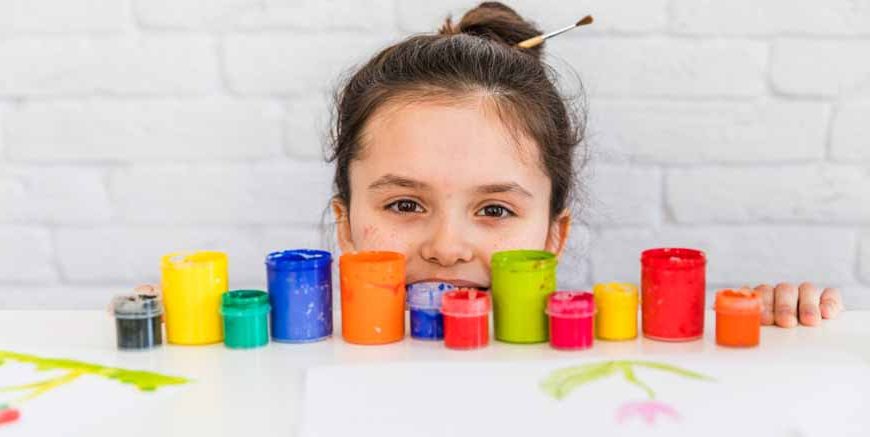
Early childhood is a period of growth. During early childhood, the brain develops rapidly, forming connections based on everyday experiences and shaping how a child thinks, learns, and interacts with the world. Among the many early learning milestones, colour recognition plays a powerful role in supporting cognitive growth and overall brain development.
While learning colours may seem like a simple skill, it is deeply connected to memory, language, attention, and visual processing. Understanding how colour recognition supports brain development during childhood helps parents make informed choices about early learning experiences.
Understanding Colour Recognition in Young Children
Colour recognition doesn’t happen overnight. It develops gradually as the brain matures and visual processing improves. In the first few years of life, a child’s brain grows at an incredible pace. Neural connections strengthen when children see, touch, hear, and interact with their environment. This is the foundation of the brain & development.
1. Colour Recognition in Newborn
In the initial weeks, newborn brain development focuses on processing light and contrast rather than colour itself. High-contrast visuals, such as black, white, and bold shapes, help strengthen visual pathways. As the brain grows, babies begin to notice brighter colours, especially reds and yellows. These early visual experiences support attention and visual tracking, which helps lay the groundwork for later colour recognition.
2. Colour Recognition in Toddlers and Preschoolers
As children grow, their ability to name and sort colours improves. Children typically begin noticing colour differences before they can name them. Over time, repeated exposure helps them connect colours with objects, words, and concepts. This process directly supports brain development during childhood by strengthening memory and cognitive flexibility.
Read More – Colour Fest- Teaching Colours To Kindergarten Kids
How Colour Recognition Supports Brain Development?
Colour recognition activates multiple areas of the brain at once. Visual processing, language centres, and memory systems all work together during colour-based activities. Here’s how it helps:
1. Strengthens Visual Processing Skills
Recognising colours trains the brain to notice details and differences. This improves visual discrimination, which is essential for reading, writing, and problem-solving later in life. When children distinguish between similar shades or identify colours in different contexts, their brains learn to process visual information more efficiently. This enhanced visual processing contributes directly to healthy brain development.
2. Boosts Memory and Recall
When children learn colours, they rely on memory to recall names. For example, identifying that a banana is yellow or a leaf is green strengthens memory pathways. Repeated colour-based activities help reinforce these connections, improving short-term and long-term memory. Strong memory skills are a key component of overall brain & development.
3. Enhances Language Development
Colour recognition and language development are closely linked. As children learn to name colours, they expand their vocabulary. Describing objects by colour also helps children form longer sentences and communicate more clearly. This integration of visual input and language processing activates multiple areas of the brain simultaneously, helping to accelerate brain development during childhood.
4. Encourages Cognitive Categorisation
Learning colours teaches children how to group and categorise information. Sorting objects by colour or identifying patterns helps develop logical thinking and early mathematical skills. Categorisation strengthens the brain’s ability to plan, organise, and make decisions. These skills are essential for academic success and everyday problem-solving.
5. Induces a Meditative State
Colouring encourages focus on the present moment, much like meditation. As the brain concentrates on shapes, patterns, and colours, intrusive thoughts begin to fade. This calming effect helps slow down racing thoughts and promotes mental relaxation, making colouring especially helpful for reducing stress and mental fatigue.
6. Improves Focus and Attention
Colouring requires attention, helping the brain practise concentration. Staying within lines, choosing colours, and completing patterns strengthens focus and mental discipline. Over time, this can improve attention span and the ability to stay engaged in tasks without distraction.
7. Enhances Motor Skills and Coordination
The fine hand movements involved in colouring improve hand–eye coordination and fine motor skills. Holding colouring tools and applying controlled pressure helps strengthen neural pathways related to motor control.
Read More – Exciting Color Identification Games for Preschoolers
Everyday Colour Activities That Support Brain & Development
Parents play a crucial role in nurturing early learning. Supporting colour recognition does not require formal lessons; simply engaging in everyday interactions is enough. You don’t need special tools to support learning. Simple, playful activities can make a real difference. These activities provide consistent stimulation that supports newborn brain development and continued growth in early childhood. Some of the activities are as follows:
1. Colour-Based Play
Sorting toys by colour, stacking blocks, or matching socks all support visual discrimination and logical thinking. These activities gently reinforce brain development during childhood without feeling like lessons.
2. Art and Creative Expression
Drawing, painting, and colouring allow children to explore shades and combinations. Creative play strengthens fine motor skills while supporting brain & development through decision-making and imagination.
3. Colour Talk in Daily Life
Point out colours during walks, meals, or storytime. Casual conversations help children associate words with visual cues, which helps in strengthening both language and memory.
Read More – How Colours Affect Learning and Mood of Children
FAQs:
1. How does colouring help the brain?
Colouring helps the brain by promoting relaxation, improving focus, and stimulating both the creative and logical parts of the brain. It encourages mindfulness and reduces mental overload, which supports overall brain function.
2. Can colouring really reduce stress and anxiety?
Yes, colouring can significantly reduce stress and anxiety. The repetitive and structured nature of colouring calms the nervous system, helping the brain shift away from anxious thoughts and into a relaxed, meditative state.
3. Is colouring beneficial only for children?
No, colouring is beneficial for people of all ages. While it helps children develop motor skills and focus, adults also benefit from improved relaxation, creativity, and emotional well-being through colouring activities.
4. How does colouring improve focus and concentration?
Colouring requires sustained attention to detail, such as staying within lines and choosing colours. This trains the brain to concentrate for longer periods and improves overall attention span.
5. Does colouring activate different parts of the brain?
Yes, colouring activates both hemispheres of the brain. The left hemisphere supports logic and structure, while the right hemisphere encourages creativity and imagination, leading to balanced brain activity.
6. Can colouring improve motor skills?
Colouring improves fine motor skills and hand–eye coordination. The controlled hand movements involved help strengthen neural pathways related to motor control.
Conclusion
Colouring is a powerful yet simple activity that benefits the brain in multiple ways. From reducing anxiety and stress to improving focus, motor skills, and creativity, colouring supports mental well-being. Its impact on brain development is significant, from supporting newborn brain development to strengthening thinking skills during early years.
The colour-based experiences help children understand, organise, and interact with the world. By adding colour recognition into everyday play, you support healthy brain & development in ways that feel natural and enjoyable. At EuroKids, we offer a perfect blend of education and entertainment, helping children build strong English foundations through play.
For parents who wish to explore more ideas and resources on early learning, child development, and value-building, the EuroKids Blogs section offers a wealth of helpful content. And if you are looking for the perfect start to your child’s educational journey, consider EuroKids, where we combine academic excellence with life skills and values to help your child grow into a confident, caring individual.