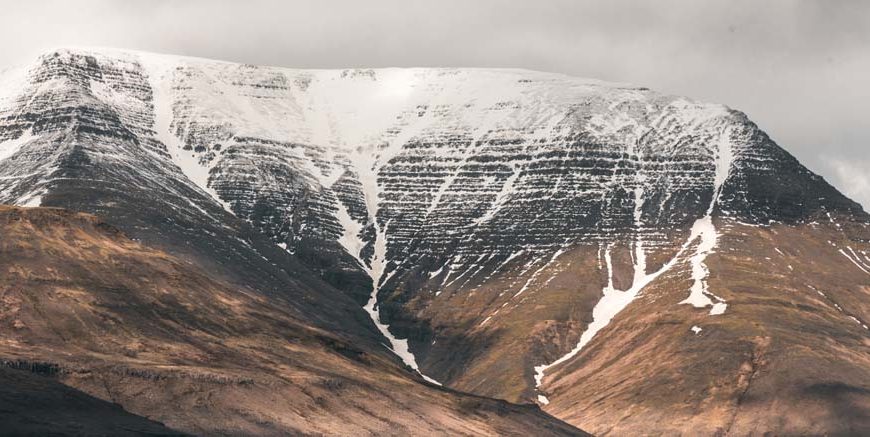
The solid ground beneath our feet feels incredibly still and permanent. However, the Earth is secretly in constant, relentless motion, moving at a pace so slow that we cannot even feel it. Over millions of years, this hidden, subterranean movement has sculpted the breathtaking, jagged peaks that touch the clouds.
Studying the dramatic science of mountain landforms helps us unravel the incredible, invisible forces that actively shape our planet’s surface. Let us embark on a geological journey to understand exactly how these massive rocky giants are born, the different shapes they take, and the remarkable processes that build them.
How are Mountains Formed?
To truly grasp the mechanics of mountain formation, we must look deep underground. The Earth’s outer crust is not one single, solid shell like an egg. Instead, it is broken into massive, heavy puzzle pieces known as tectonic plates. These giant slabs of rock constantly drift atop a layer of semi-liquid, boiling rock beneath them.
Because they are constantly drifting, these plates frequently bump into each other, pull apart, or slide roughly side-by-side. When these colossal rock plates collide or shift violently, they create an unbelievable amount of physical pressure. This extreme tension forces the surface rock to crack, crumple, and push upwards, creating massive, elevated areas of land. This immense, slow-motion crashing of tectonic plates is the fundamental answer to how are mountains formed.
Read More – Highest Mountains in the World
Exploring the Four Types of Mountains
Not all rocky peaks are created in the exact same manner. Depending on exactly how the Earth’s crust behaves during a geological event, we end up with distinctly different physical structures. Geologists generally classify them into four types of mountains: fold, block, volcanic, and dome mountains.
To help you visualise how the Earth moves to create these different structures, you can use the interactive simulator below to test the geological forces yourself!
Let us look closely at the first three primary types, which are the most common structures found across the globe.
How are Fold Mountains Formed?
Think about placing a flat towel flat on a wooden table and pushing it together from both ends. The fabric instantly bunches up, creating tall wrinkles and deep ridges in the middle. This is exactly how are fold mountains formed!
When two massive tectonic plates crash head-on over millions of years, the immense, unstoppable pressure causes the heavy rock to crumple, fold over itself, and push high up into the sky. Because this process involves such massive areas of land, these types of peaks often stretch for thousands of kilometres, forming the longest ranges on Earth. The majestic Himalayas in Asia, which proudly include Mount Everest, and the beautifully rugged Alps in Europe are brilliant, real-world examples of this incredible crumpling effect.
Read More – Types of Landforms of the Earth
How are Block Mountains Formed?
Sometimes, the heavy Earth’s crust does not fold neatly; instead, it stretches tightly and cracks under extreme tension. These giant, deep cracks are known scientifically as faults.
So, how are block mountains formed? When the earth stretches apart, enormous chunks of solid rock are forcefully pushed upwards along these fault lines, while the adjacent chunks drop downwards. The heavily raised blocks become tall, steep, and flat-topped peaks, whilst the dropped sections create deep, shadowed valleys. The Sierra Nevada range in North America and the striking Harz Mountains in Germany are classic, textbook examples of this dramatic ‘fault-block’ process.
How are Volcanic Mountains Formed?
The third major category involves extreme underground heat and boiling, molten rock. Deep beneath the crust, hot liquid rock called magma slowly builds up intense pressure. When it eventually finds a weak spot or a deep crack in the surface, it violently erupts as glowing lava, thick ash, and flying rocks.
When young learners ask how volcanic mountains formed, the answer lies in the aftermath of these explosions. As the hot lava erupts, it quickly cools down and hardens on the surface. Over thousands of years and through multiple fiery eruptions, thick layers of hardened lava and ash stack up on top of one another, gradually building a massive, cone-shaped peak. Mount Fuji in Japan and Mount Vesuvius in Italy are spectacular examples of this fiery geological construction.
Fascinating Facts About Mountain Landforms
To make your geological studies even more exciting, here is a list of brilliant facts about these rocky giants:
- They exist deep under the sea: The Mid-Atlantic Ridge is a massive, continuous underwater range that is far longer than any mountain range found on dry land.
- They control the local weather: Tall peaks force passing clouds high into the freezing air, causing heavy rain or thick snow on one side, while leaving the completely opposite side dry and barren.
- They are actively growing right now: Because tectonic plates never actually stop moving, massive ranges like the Himalayas are actively getting a few millimetres taller every single year!
- They provide essential fresh water: During the warmer spring months, the melting snow from high peaks flows down into rivers, providing vital drinking water for millions of people and animals living in the valleys below.
Read More – Wonders of Natural Landforms for Kids
Conclusion
The towering peaks that decorate our beautiful planet are much more than just pretty scenery for holiday photographs. They are powerful, silent records of the Earth’s incredibly violent and dramatic history. From the slow, unstoppable collision of massive rock plates to the sudden, fiery explosions of molten lava, understanding these geological giants completely changes the way we view our natural world. It serves as a beautiful reminder that our planet is a vibrant, active, and living entity, constantly rebuilding and reshaping its own surface over millions of years. To discover more wonderful geographical concepts and actively nurture your child’s brilliant academic future, explore the EuroKids Blog and find out all the essential details about EuroKids Preschool Admission today.
FAQs
What are the four types of mountains?
Geologists generally classify them into four main structural categories: fold, block, volcanic, and dome mountains.
How do fold mountains get their unique, wrinkled shape?
They are created when two tectonic plates collide with massive force, causing the earth’s crust to crumple, fold, and actively rise upwards over millions of years.
Are these landforms still growing today?
Yes, many major ranges are still actively growing taller by tiny amounts each year because the Earth’s tectonic plates are continuously drifting and pushing against one another.