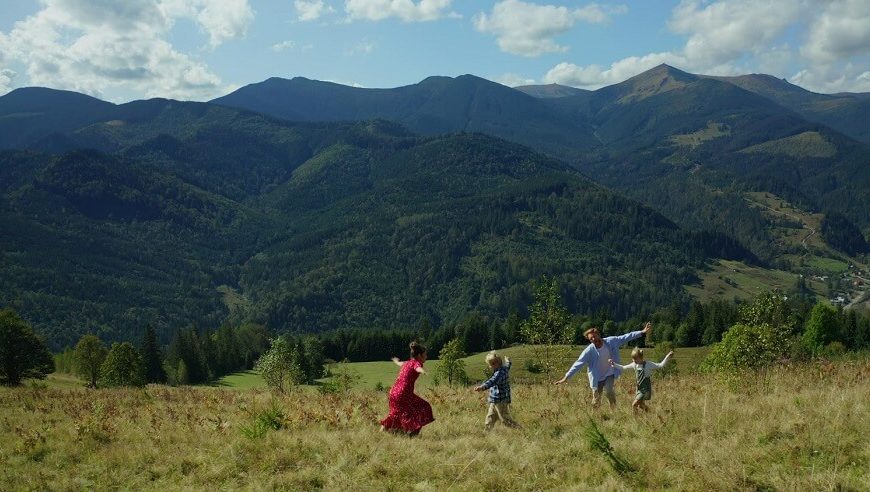
Imagine tipping your head back so far that your favourite hat falls right off, just trying to see the very top of a giant, jagged wall of rock and ice. That is exactly what it feels like to stand at the bottom of the biggest natural structures on our planet. For millions of years, the Earth has been slowly pushing its crust upwards, creating massive, towering stones that reach right up into the clouds. These are not just boring piles of dirt; they are wild, freezing, and incredibly beautiful worlds of their own.
Today, we are going to pack our imaginary climbing gear, wrap up in our thickest winter coats, and explore the top 10 highest mountains in the world. We will learn about the brave people who climb them, the unique shapes of the rocks, and the freezing weather that makes them so special.
Name the Highest Mountain Range in the World
Before we start our climb, we need to look at our map and know exactly where we are going. If a geography teacher ever asks you to name the highest mountain range in the world, you can proudly put your hand up and tell them it is the Himalayas.
Stretching across Asia like a massive, snowy backbone, this mountain range is home to almost all the tallest peaks on Earth. Right next to it is the Karakoram range, which holds the rest of the giants. Think of these two ranges as a giant, freezing, rocky neighbourhood where all the tallest natural structures live right next door to each other! The Earth’s tectonic plates crashed together millions of years ago, pushing the ground up to create this spectacular neighbourhood.
Read More – Exploring Mountains: Types, Formation, and Fun Facts
Exploring the Top 10 Tallest Mountains in the World
When explorers and scientists talk about the top 10 tallest mountains in the world, they are actually talking about a very exclusive club called the “Eight-Thousanders”. This is a special group reserved for mountains that measure over 8,000 metres tall. Up there, the air is incredibly thin, making it super tough for humans to breathe without carrying heavy oxygen tanks on their backs. Let us look at the famous mountain names that make up this elite, freezing group.
1. Mount Everest (8,848 metres)
Sitting perfectly on the border between Nepal and China, Everest is the absolute king of the rocks. It is the most famous peak among all the top 10 mountains in the world. To understand just how tall it is, imagine stacking over twenty Empire State Buildings right on top of each other! It is freezing cold, constantly battered by wild winds, and remains the ultimate dream for brave climbers all over the globe.
2. K2 (8,611 metres)
Located in the Karakoram range, K2 is widely known by adventurers as the “Savage Mountain”. Even though it is second on the list of the top 10 peaks in the world, almost all professional climbers agree that it is much harder and more dangerous to climb than Everest. Its sides are incredibly steep, looking like a giant, slippery rocky pyramid covered in thick ice.
3. Kangchenjunga (8,586 metres)
This stunning, massive giant sits quietly between Nepal and India. For a very long time in history, people actually thought Kangchenjunga was the tallest mountain on Earth until better measuring tools were invented. The beautiful name translates to “The Five Treasures of Snows”, because if you look closely, it actually features five separate, distinct peaks pointing at the sky.
4. Lhotse (8,516 metres)
Lhotse is physically connected to Mount Everest. If you look at a wide photograph of the area, they look like two giant brothers holding hands. To climb Lhotse, explorers actually use the exact same starting path as they do for Everest, climbing up a steep wall of blue ice before splitting off near the very top.
5. Makalu (8,485 metres)
Just a few miles away from Everest is Makalu. If you love drawing famous mountains in the world, Makalu is incredibly fun to sketch because it looks like a perfect, sharp, four-sided pyramid. It is heavily respected by climbers because it features howling, freezing winds that make reaching the top an extreme balancing act.
6. Cho Oyu (8,188 metres)
Because its slopes are slightly less steep, Cho Oyu is often considered the “friendliest” of the 8,000-metre giants to climb. However, climbing a piece of rock this big is never actually easy! It serves as a popular practice run for climbers who want to test their heavy winter gear before they eventually attempt to tackle Mount Everest.
7. Dhaulagiri (8,167 metres)
The word Dhaulagiri translates to “Dazzling, White, Beautiful Mountain”, and it certainly lives up to its wonderful name. It stands out brightly against the deep blue sky and is surrounded by very deep, dramatic valleys. It is a brilliant example of how powerful and breathtaking nature can be.
8. Manaslu (8,163 metres)
Known by the locals as the “Mountain of the Spirit”, Manaslu features long, sweeping ridges of ice and snow. It is a beautifully shaped mountain, but it is also known for dumping incredibly heavy snowfall on anyone who tries to visit, which means climbers have to be constantly on the lookout for sudden avalanches.
9. Nanga Parbat (8,126 metres)
Located in Pakistan, Nanga Parbat is an enormous peak that stands out completely on its own, rather than being squashed in a crowded range of other rocks. Because it stands alone, it has a massive, terrifying vertical drop on one of its sides, making it a thrilling, dizzying challenge for the bravest explorers.
10. Annapurna I (8,091 metres)
Rounding out our list is the majestic Annapurna I. It holds a very special place in history because it was actually the very first mountain over 8,000 metres to be successfully climbed, all the way back in the year 1950. Even though it is number ten on the ruler, it is highly respected because of its wild, unpredictable snowstorms.
Highest Mountain Peak in the World for Kids
Summary
When we review this incredible list of rocky giants, we learn a lesson that goes far beyond simple map reading and geography. Mountains act as silent, sturdy teachers for all of us. They stand tall through the harshest freezing storms, the howling gales, and the blistering sun, never running away and never rushing.
They teach us that true strength is about standing firm, being remarkably patient, and weathering the difficult storms that inevitably come our way. You do not have to put on heavy boots and conquer a literal mountain of ice to be brave. Whether you are facing a difficult maths test, learning to ride a bicycle, or trying to understand a new subject, remember the quiet resilience of these towering peaks. You tackle your own daily challenges the exact same way a climber tackles a mountain: just take one careful, confident step at a time.
To uncover more facts and kickstart a lifelong love of learning, step into the EuroKids Blog, and explore the wonderful educational pathways available through EuroKids Preschool Admission.
Read More – Wonders of Natural Landforms for Kids
FAQs
1. What causes these giant mountains to grow?
The Earth’s outer shell is made of massive puzzle pieces called tectonic plates. When these giant plates slowly crash into each other over millions of years, the ground wrinkles and pushes upwards, creating tall mountains!
2. Do animals live at the very top of these peaks?
No, the very top of these giant mountains is far too cold, and there is not enough oxygen in the air for animals to survive. However, beautiful animals like Snow Leopards and wild yaks live on the lower, warmer slopes.
3. What is the tallest mountain in our entire solar system?
While Everest is the tallest on Earth, the tallest in our solar system is a giant volcano on the planet Mars called Olympus Mons. It is nearly three times taller than Mount Everest!