The distinct scent of sweet cinnamon and warm dough drifting through a busy, cobblestone street is a highly comforting thought. Centuries ago, busy local towns did not have massive, brightly lit supermarkets where families could quietly push a metal shopping trolley down an aisle to pick up their morning breakfast. Instead, local streets were incredibly noisy and vibrant, filled entirely with the loud, musical voices of busy street vendors shouting loudly to sell their freshly made goods.
These daily, rhythmic street cries eventually turned into catchy playground songs, passing down through countless generations to become the beloved nursery staples we know today. Let us explore one of the most famous musical baking advertisements in history, discovering exactly how a simple, ancient tune about warm, spiced bread helps modern children master early vocabulary, basic counting, and foundational musical rhythm.
The Historical Roots of the hot cross buns poem
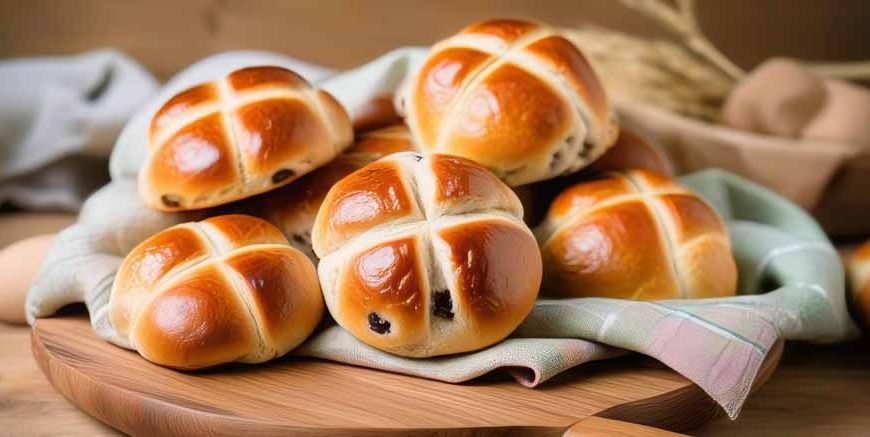
When you teach a young student the classic hot cross buns poem, you are actually handing them a fascinating piece of living history. The rhyme originated in England well over two hundred years ago. Local street sellers would carry massive, heavy woven baskets completely filled with sweet, sticky buns heavily spiced with nutmeg and studded with chewy dried fruit. To successfully attract hungry customers walking by, they had to sing loudly over the chaotic noise of trotting horses and rattling wooden carts.
These specific baked treats were traditionally eaten on Good Friday, marking the upcoming Easter weekend. The cross on the top, usually made from a simple paste of flour and water, was a traditional symbol of the holiday. By teaching this short poem to your children, you are actively linking their modern, everyday playtime directly to the busy, vibrant street life of the eighteenth century. It serves as a brilliant, highly relatable bridge for young children to understand that history is not just about dusty old dates in a textbook; it is about real, everyday people baking, eating, and singing together.
Read More – Nursery Rhymes For Kids with Lyrics
Exploring the Classic hot cross buns lyrics
To properly understand the educational value of this song, we must look closely at the actual words. The traditional hot cross buns lyrics are wonderfully short and highly repetitive, making them incredibly easy for toddlers to rapidly memorise and proudly perform for their families.
Here is the complete, classic verse:
Hot cross buns!
Hot cross buns!
One a penny, two a penny,
Hot cross buns!
If you have no daughters,
Give them to your sons!
One a penny, two a penny,
Hot cross buns!
When breaking down the hot cross buns lyrics for curious kids, it immensely helps to explain the old-fashioned money referenced in the song. A “penny” was a large, heavy copper coin commonly used in Britain. The singing vendor is happily shouting to the crowd that you can buy one large bun for a single penny, or two smaller ones for that exact same coin! The charming line about daughters and sons simply means that these delicious, warm treats are perfectly suited for absolutely every single child in the household. It delivers a warm, generous message about sharing your treats fairly and equally with your siblings at the kitchen table.
Read More – One Two Three Four Five Nursery Rhyme
Why hot cross buns rhymes Are Perfect for Early Learning
It is certainly not a coincidence that professional music teachers constantly rely on hot cross buns rhymes for their very first classroom lessons. Whether a young child is learning to correctly strike a colourful wooden xylophone, blow gently into a plastic recorder, or press the heavy keys of a real piano, this specific song is almost always the very first starting point.
The entire melody consists of just three simple, descending notes.
Because the tune is so utterly predictable and strictly repetitive, children feel a massive, instant sense of pride when they manage to play a “real song” within their first ten minutes of trying. Furthermore, the strong, marching rhythm of hot cross buns rhymes naturally encourages young children to confidently clap their hands, tap their knees, or stomp their feet right on the beat. This heavily physical interaction actively builds their gross motor skills and deeply strengthens their internal sense of musical timing.
Interactive Learning: Bringing the Rhyme to Life
Memorising the words is only the first step. You can easily turn this simple song into a highly engaging, multi-sensory learning experience at home. Here is a helpful list of brilliant activities that seamlessly tie the rhyme to real-world skills:
- Counting Copper Coins: Gather a handful of loose copper coins from your purse. Let your child pretend to be the baker, physically handing over “one a penny” or “two a penny” blocks in exchange for the coins. This brilliantly introduces the absolute basics of maths, trading, and financial exchange.
- Baking Together in the Kitchen: Actually baking a batch of spiced dough is a phenomenal sensory experience. Children love getting their hands messy while kneading the sticky dough, smelling the strong cinnamon, and carefully piping the flour crosses on top before the buns go into the hot oven.
- Creating a Rhythm Band: Hand your child two wooden cooking spoons and an empty plastic mixing bowl. Encourage them to tap the bottom of the bowl on every single beat of the song, loudly accenting the words “Hot,” “Cross,” and “Buns.”
Read More – Best Nursery Rhymes List for Kids
Conclusion
It is genuinely thought-provoking to realise that a simple street vendor’s advertisement, shouted on a cobblestone road centuries ago, is still actively helping modern children learn how to speak, count, and play musical instruments today. A song that started as a clever way to sell warm bread has beautifully transformed into a vital educational tool. It proves that the most effective learning often happens through joyful, highly repetitive traditions rather than strict, silent memorisation. When we encourage children to sing, bake, and act out these historical rhymes, we give them a rich, highly textured understanding of culture and language. Cultivating this exact type of holistic, interactive learning environment is a core pillar of the Heureka Curriculum, which actively ensures that children learn best when they are fully immersed in the joy of discovery. To uncover more fantastic ways to support your child’s early education and find highly creative activities for the home, explore the latest guides on the EuroKids Blog and secure their vibrant academic future today through EuroKids Preschool Admission.
FAQs
Is it difficult to bake these treats at home with a toddler?
Not at all! While traditional recipes use yeast which requires a lot of waiting around, you can easily find quick, yeast-free baking recipes online that use baking powder, allowing you and your child to mix, shape, and bake the spiced dough in under an hour.
Why is this song always used to teach the recorder?
It is heavily favoured by music teachers because it strictly uses the three easiest finger positions on the instrument (B, A, and G). A child only has to lift one finger at a time to play the entire descending melody, which builds massive early confidence.
What exactly does the cross on the top represent?
Historically, the cross was placed on the dough to mark the Christian holiday of Good Friday, but in ancient, pre-Christian times, similar crosses were actually baked onto bread to represent the four distinct phases of the moon or the four shifting seasons of the year.