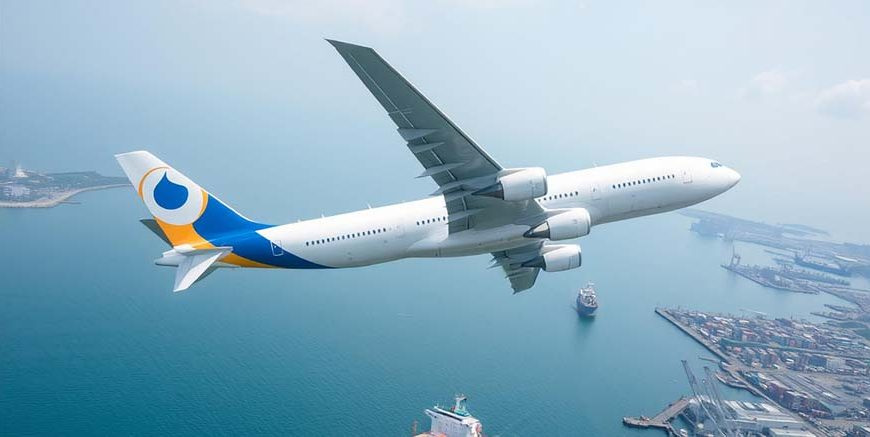
You have likely stood at a window with your child, watching a plane leave a white trail across the blue sky, or sat by the beach pointing out a distant ship on the horizon. These moments are more than just observations; they are opportunities to explain how our world connects. In an age where you can order a toy from across the ocean and have it arrive in days, understanding the mechanics of air and water transport is crucial. It is not just about memorising vehicle names. It is about grasping the systems that shrink our globe and bring cultures, goods and families together.
When you explain land water and air transport to a child, you are essentially teaching them about geography, physics and economics all at once. It can be challenging to simplify these complex networks into digestible lessons. You want to move beyond the basic “boat floats, plane flies” concept and offer a deeper understanding. This blog will guide you through the fascinating world of modern modes of transport, breaking down the types of air transport and water transport information in a way that is engaging and educational. We will explore the evolution of transport for class 5 curriculums and beyond, helping you turn a simple question about a helicopter into a lesson on innovation.
The Evolution of Transport: From Rafts to Rockets
To understand where we are, you must look at where we started. If you are helping your child with the evolution of transport for class 5, start with the water. Long before the invention of the wheel, humans used means of water transport to explore. It began with simple logs and rafts. You can ask your child to imagine the bravery it took to push a wooden raft into the open sea.
Over centuries, these rafts evolved into canoes, then sailboats which harnessed the wind and finally the massive steamships of the industrial revolution. Air transport and water transport share a common history of human curiosity. While water travel is ancient, air and water transport only truly diverged in the last century. The dream of flight was achieved much later, transforming from hot air balloons to the Wright brothers’ first gliders and now to supersonic jets. This evolution teaches your child that modern modes of transport are the result of thousands of years of failure and perseverance.
Understanding Water Transport: The Giants of the Sea
When you ask what is water transport, the answer is simple yet vast. It is the movement of people and goods over a body of water. However, the scale is what matters. Water transport is the backbone of the global economy. It is slower than air, but it can carry heavy loads that planes simply cannot lift.
There are two main categories you should explain to your child: inland and oceanic. Inland transport happens on rivers, lakes and canals. Oceanic transport happens across the deep seas. When discussing types of water transport, you can introduce the sheer variety of vessels. Water vehicles are designed for specific jobs. A tanker is designed to hold liquid, while a ferry is designed to carry cars and people.
Here are five water transport name examples you can share:
- Cargo Ships: These are the heavy lifters, carrying thousands of containers.
- Submarines: Unique vehicles that move on water (and under it) used for defence and research.
- Speedboats: Small, fast vessels used for leisure or racing.
- Cruise Ships: Floating cities designed for holidays.
- Hovercrafts: A hybrid that moves over water on a cushion of air.
These examples of water transportation show that water travel is diverse. It is not just about moving from A to B; it is about the purpose of the journey.
Read More – Transportation Activities for Kids
Taking to the Skies: The Speed of Air Transport
If water is about capacity, air transport is about speed. It is the fastest method of moving between two points on Earth. When you discuss modes of air transport, you are talking about vehicles that fight gravity. This is a great moment to introduce simple physics to your child. How does something so heavy stay up?
The means of air transport have revolutionised how we connect. A journey that once took months by boat now takes hours by plane. You can list the common air vehicles name to broaden their vocabulary. The most obvious is the aeroplane, but the category also includes helicopters, gliders, hot air balloons and even drones.
When explaining types of air vehicles, distinguish between those with engines and those without.
- Aeroplanes: Fixed-wing aircraft driven by propellers or jets.
- Helicopters: Rotary-wing aircraft that can take off vertically, making them perfect for rescues.
- Gliders: Unpowered aircraft that use air currents to fly.
This distinction helps children understand that air transport name categories are based on how the vehicle flies, not just that it flies.
Comparing the Titans: Land, Water and Air
A common question in exams and curiosity alike is the difference between land transport water transport air transport. You can explain this using a “Rock, Paper, Scissors” analogy.
- Land Transport: Best for short distances and door-to-door delivery. It is accessible but limited by roads and traffic.
- Water Transport: The champion of weight. If you need to move 5,000 cars to another country, you use water transport vehicles. It is the cheapest means of water transport for heavy goods but the slowest.
- Air Transport: The champion of time. It is expensive and cannot carry as much as a ship, but it arrives almost immediately.
By comparing two means of water transport (like a raft vs a ship) with types of air transport, your child learns to evaluate trade-offs. They learn that we choose the mode based on our needs: speed, cost or weight.
Read More – World Public Transport Day Activities for Kids
Modern Innovations and Future Vehicles
The story of transport is not finished. You are raising children who might one day travel in vehicles we currently consider science fiction. Modern modes of transport are blurring the lines. We now have amphibious vehicles that work as both water vehicles and land cars. We have “flying taxis” (drones) being tested in cities.
Discussing water transport information now includes sustainable solar-powered boats. Discussing name air transport now includes commercial space travel. This keeps the topic exciting. It shows your child that vehicles that move on water or in the air are constantly changing to become cleaner, faster and safer.
The EuroKids Approach to Learning
At EuroKids, we believe that understanding the world requires more than just reading a textbook. We follow the Heureka curriculum which emphasises “Mindful Learning.” We encourage children to observe the 5 water transport modes in their city or look up at the air vehicles name in the sky and ask “Why?”. We move beyond rote memorisation of water vehicles name lists and explore the mechanics and history behind them.
We want your child to understand the systems that connect us. By fostering this curiosity, we prepare them to be the innovators of tomorrow’s transport solutions.
Conclusion
The world of air and water transport is a gateway to understanding human ingenuity. From the humble log raft to the supersonic jet, these vessels represent our desire to explore and connect. By teaching your child about the types of water transport and the mechanics of flight, you are giving them the keys to understand the global community they live in.
Whether it is identifying five water transport vessels in a harbour or spotting a glider in the clouds, these lessons build a foundation for geography, science and history. Your guidance turns these everyday sights into profound learning moments. EuroKids is your partner in this educational journey. We invite you to visit our website to learn more about EuroKids Preschool Admission and find a centre near you. For more resources on child development and educational activities, please explore the EuroKids Blog section.
Frequently Asked Questions (FAQs)
1. What is water transport and why is it important?
Water transport refers to the movement of people and goods across bodies of water like oceans, rivers and lakes. It is crucial because it is the most cost-effective way to transport heavy cargo and raw materials over long distances, supporting global trade.
2. Can you name 5 water transport vehicles for kids?
Yes, here are five water transport name examples: Ship, Boat, Submarine, Yacht and Canoe. Each of these water vehicles serves a different purpose, from trade to leisure.
3. What are the main differences between air transport and water transport?
The main difference is speed versus capacity. Air transport is very fast but expensive and limited in how much weight it can carry. Water transport is much slower but can carry massive amounts of heavy goods at a lower cost.
4. What are some modern modes of transport in air and water?
Modern modes of transport include hydrofoils and nuclear-powered submarines for water, and supersonic jets and drones for air. Innovations are also leading to amphibious vehicles that operate as both land water and air transport hybrids.
5. How do I explain the evolution of transport for class 5 students?
Start by explaining that humans first walked, then used animals. Then they built rafts (water transport). Later came the wheel (land transport) and finally, engines allowed for air transport. Explain that air and water transport evolved to help us travel further and faster than our legs could take us.