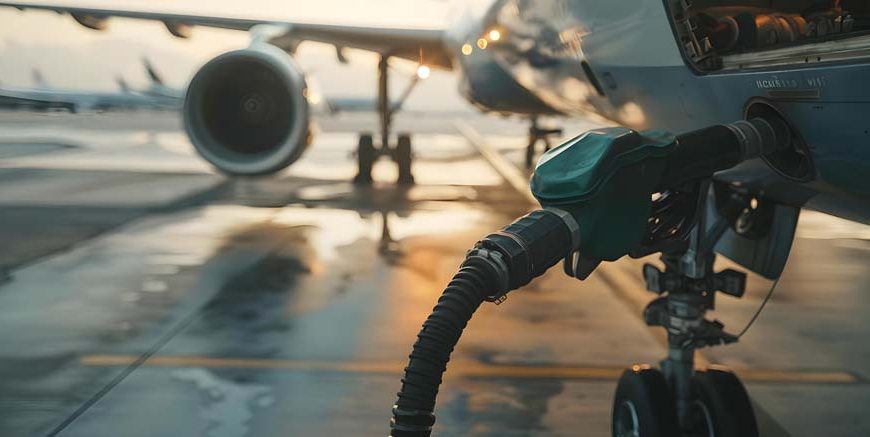
The next time a massive commercial aeroplane roars loudly over your back garden, point it out to your kids and ask them how something that incredibly heavy stays up in the clouds. We always marvel at the giant metal wings and the noisy engines, but we rarely give a second thought to the invisible liquid actually doing all the heavy lifting.
If a child looks up and asks you exactly what jet propulsion is or how an aircraft fights gravity, you really need a better answer than just saying it is down to magic or regular car petrol. The real secret of modern aviation is locked entirely inside the fuel tanks hidden within the wings. Let us strip away the complicated university jargon and explore the brilliant chemistry powering our skies.
Unpacking Exactly What Is Jet Fuel
You absolutely cannot just pull a massive passenger plane up to a local supermarket forecourt and fill the tanks with standard unleaded petrol. If a pilot actually tried that, the plane’s massive engines would fail almost immediately, and it would never even leave the runway.
So, to get straight to the point, what is jet fuel? Put simply, it is a highly specialised, incredibly pure, and tough type of liquid energy designed specifically to power the gas-turbine engines found on modern aircraft. Standard car petrol evaporates far too quickly and cannot handle extreme weather changes. Aviation fuel, on the other hand, is built to survive the brutal, freezing temperatures found at 35,000 feet up in the sky without turning into a solid, useless block of ice, while also providing a massive burst of energy to push hundreds of tonnes of metal through the air.
Read More – How Is Petroleum Formed?
What Is Jet Fuel Made Of?
To understand the sheer power involved in lifting a plane, we have to look closely at the ingredients. If a curious student asks what is jet fuel made of, you can tell them it all starts deep underground. The journey begins as raw, sticky, black crude oil pumped straight out of the earth. This crude oil is shipped off to massive industrial refineries, where scientists boil it in giant metal towers to separate all the different parts.
As the thick oil heats up, it separates into different layers. The heavy stuff at the bottom becomes the sticky tarmac we use to pave our roads. The very light stuff at the top becomes gases. But the specific, golden liquid extracted from the middle of this boiling process is a chemical called kerosene. This highly refined kerosene forms the absolute core foundation of all modern aviation energy.
The True Jet Fuel Composition
While pure kerosene is the main base, the final jet fuel composition is a lot more complicated than just plain oil. Engineers treat this liquid like a top-secret recipe, throwing in a mix of brilliant chemical additives to make it function perfectly under extreme stress. They add special anti-freeze chemicals so the liquid does not freeze solid when the plane is cruising through the bitter cold of the upper atmosphere.
They also mix in anti-corrosive liquids to stop the metal tanks inside the wings from quietly rusting away over the years. Furthermore, because flowing liquids can naturally build up dangerous static electricity, scientists add ‘static-dissipators’. This ensures the fuel does not accidentally cause a tiny spark while violently sloshing around inside the wing during a turbulent flight. It is not just oil; it is a highly engineered super-liquid.
Mind-Blowing Aviation Facts
Learning the dry chemistry of oil refining is fine, but kids usually prefer raw, powerful numbers to truly grasp a concept. Here is a list of brilliant, logical facts that highlight exactly how this liquid behaves in the real world:
- Incredible energy density: One single kilogram of this aviation liquid holds far more raw, stored energy than a heavy car battery. It packs a massive punch in a very small physical space. This is utterly vital because aeroplanes cannot afford to carry useless, bulky weight if they want to get off the ground.
- The freezing point is shocking: Normal tap water freezes into ice at a fairly standard zero degrees Celsius. This aviation liquid will not freeze solid until it hits a staggering minus 47 degrees Celsius! It has to survive the bitter, freezing environment of the stratosphere without turning into slush.
- It doubles as a coolant: Engine parts get incredibly hot when burning energy at high speeds. In a brilliant piece of modern engineering, the cold fuel stored in the wings is actually pumped rapidly around the scorching hot engine oil pipes to cool the engine down before the liquid is finally burned.
- The burn rate is massive: A standard Boeing 747 jumbo jet uses a shocking amount of energy. It burns roughly four litres of fuel every single second it is in the air. That means a standard ten-hour flight requires tens of thousands of litres just to reach the destination safely.
Read More – Air and Water Transport for Kids
Connecting Science to the Real World
Understanding how a heavy aeroplane actually stays in the sky completely changes how a child views their next summer holiday flight. It turns a boring wait at the airport departure window into a live physics and chemistry lesson. The Heureka curriculum thrives on this exact type of real-world connection.
We don’t want children just passively copying definitions from a whiteboard; we want them actively questioning the mechanics of the physical world around them. Figuring out why standard car petrol won’t work in a jumbo jet requires brilliant, logical problem-solving, which builds a strong, inquisitive mindset for the future.
Conclusion
To sum it all up, the liquid powering our global holidays and cargo flights is far more than just standard refined oil. It is a highly engineered, chemically balanced masterpiece designed specifically to beat freezing weather, prevent rust, and deliver massive bursts of pure energy. It really makes you stop and think: without the clever discovery and refinement of this one specific, powerful liquid, our entire modern, connected world would simply grind to a halt.
We would be completely stuck travelling the globe by slow boats and long train rides. Teaching children about these hidden engineering marvels helps them appreciate the complex machinery that keeps modern life moving. To discover more fantastic ways to turn everyday curiosity into a brilliant educational journey, check out the latest parenting guides on the EuroKids Blog and secure their spot today via EuroKids Preschool Admission.
FAQs
Do military fighter jets use the exact same fuel as passenger planes?
No, they do not. While it is very similar, military aircraft use a slightly different blend that contains unique performance additives to handle the extreme speed and sudden, violent movements of combat flying.
Can you put this aviation liquid in a normal diesel car?
Technically, a diesel car engine can run on it for a very short time because kerosene is similar to diesel. However, it lacks the necessary lubricants for a car, so it would completely destroy the car’s engine very quickly.
Why is the liquid stored in the wings instead of the main body of the plane?
Storing it in the massive wings completely frees up the main body of the plane for passengers and heavy luggage. It also perfectly distributes the massive weight of the liquid, stopping the plane from becoming too heavy in the middle and snapping in half!