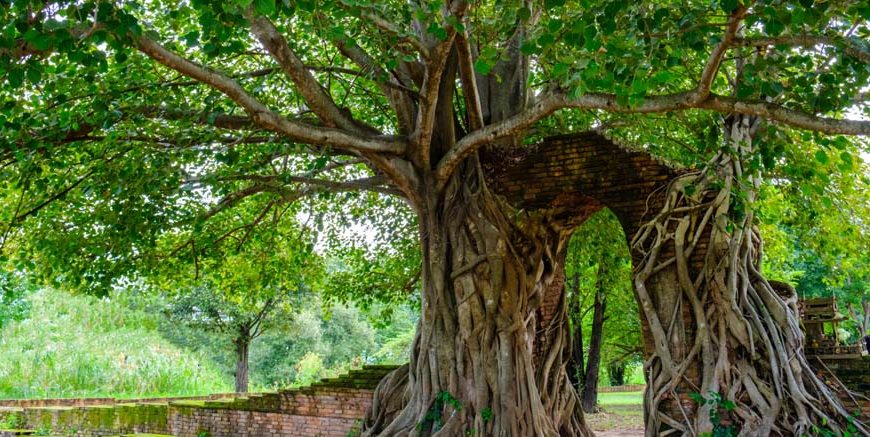
There is something comforting about sitting under a large tree on a warm afternoon. Children instinctively run towards its shade, elders pause to rest, and birds flutter around freely. Among all trees, one stands out for its size, strength, and sense of protection. The banyan tree is not just a tree. It feels like a home, a classroom, and a storyteller standing quietly for generations.
In many neighbour hoods, children hear stories, play games, or simply sit with their grandparents under this giant tree. That is why learning about the banyan tree becomes more than just a science lesson. It becomes a story about nature, culture, and care.
In this blog, young learners and parents will explore banyan tree information, understand what is banyan tree, learn why it is our national tree, and enjoy fun facts explained in a way children can easily understand.
What Is Banyan Tree
The banyan tree is one of the largest and longest living trees in the world. When children ask what a banyan tree is, the simplest answer is that it is a tree that grows wide instead of tall and has many hanging roots that look like ropes.
Unlike other trees, the banyan tree spreads its branches far and wide. From these branches grow special roots that hang down towards the ground. Once these roots touch the soil, they become strong and look like new trunks. This is why one banyan tree can look like a small forest.
This simple explanation helps children understand banyan trees in English without confusion and builds early curiosity about nature.
Read More – Discovering Tree Diversity
Banyan Tree Information in English for Kids
When sharing banyan tree information in English, it is important to keep the language simple and relatable. The banyan tree has a thick trunk, wide branches, and many aerial roots. Its leaves are large and green, providing shade and comfort to people and animals.
Children often enjoy learning that the banyan tree can live for hundreds of years. Some banyan trees are so old that even great grandparents may remember seeing them when they were young. This makes the banyan tree a symbol of long life and wisdom. This basic knowledge about banyan tree knowledge helps children build a strong connection with their natural surroundings.
National Tree of India: Banyan Tree
Many children ask, name the national tree of India. The answer is simple and proud. The national tree banyan tree represents the strength and unity of our country.
The banyan tree was chosen as the national tree banyan because it symbolises endurance, shelter, and togetherness. Just like its many roots grow from one tree, people from different backgrounds come together to form one nation. Teaching children about our national tree helps them understand national symbols in a gentle and meaningful way.
Read More – Understand the Importance of Trees
Bargad Tree and Vad Tree Explained
The banyan tree is known by different names across regions. In Hindi, it is often called the Bargad. This leads to questions like bargad tree in english, which simply means banyan tree.
In Marathi and Gujarati, it is known as the Vad. So when parents ask for a vad tree in english, the answer remains the same. All these names refer to the same magnificent banyan tree. Explaining these names helps children understand language diversity while learning that nature connects us all.
How a Banyan Tree Grows
The journey of a banyan tree plant begins with a tiny seed. This seed often grows on another tree or in soil. Slowly, it sends roots downwards and begins to grow stronger.
As the tree grows, its branches spread outwards. From these branches, aerial roots grow and hang down like threads. When these roots reach the ground, they become thick and turn into support trunks. Over time, one banyan tree can cover a very large area.
This natural process is fascinating for children and helps them understand banyan tree information in a visual and memorable way.
Read More – Exploring the Vital Role of Trees
Amazing Features of the Banyan Tree
What makes the banyan tree truly special is its ability to support life. Its wide branches offer shade from the sun, while its roots provide shelter to birds, insects, and animals.
The banyan tree does not need much care once it grows strong. It stands firm during storms and hot summers. This strength makes it a perfect example when teaching children about resilience and patience. Learning about banyan tree uses and features encourages children to respect nature.
Advantages of Banyan Tree
The advantages of banyan tree are many and meaningful. The tree provides shade and keeps the surrounding area cool. People often gather under it to talk, rest, or share stories.
The banyan tree helps clean the air by absorbing carbon dioxide and releasing oxygen. It also supports wildlife by providing food and shelter. Birds build nests, monkeys find food, and insects thrive around it. Explaining these advantages helps children understand why trees are important in everyday life.
Banyan Tree Uses in Daily Life
There are several banyan tree uses that children can easily relate to. In villages, people sit under the banyan tree to hold meetings or relax during hot afternoons. In earlier times, schools were often held under its shade.
Traditional medicine also uses parts of the banyan tree, though this should be explained simply to children without going into medical detail. The tree has always been part of Indian life and culture.
Read More – Exploring Leaf Shapes and Textures with Preschoolers
Banyan Tree in Culture and Stories
The banyan tree appears in many stories and traditions. Elders often tell tales of wisdom under its branches. In some places, people tie threads around the tree and pray for good health and happiness.
For children, these stories make learning about the banyan tree exciting and emotional. It becomes more than a science topic. It becomes part of their cultural identity.
Fun Facts About the Banyan Tree
Children love fun facts, and the banyan tree has plenty to offer. Some banyan trees are so large that they need hundreds of support roots to stay upright. One banyan tree can spread wider than a football field.
Another fun fact is that birds help banyan trees grow by spreading their seeds. This shows children how nature works together in harmony. Such banyan tree information in English makes learning joyful and memorable.
5 Lines on Banyan Tree in English
Here are 5 lines on banyan tree in english that children can easily remember:
The banyan tree is very big and strong.
It has many hanging roots that touch the ground.
The banyan tree gives shade to people and animals.
It is the national tree of India.
The banyan tree lives for many years.
Why Learning About Trees Matters in Early Childhood
Learning about trees helps children develop care and respect for the environment. When children understand how trees grow and help us, they naturally become more responsible.
Early exposure to topics like the banyan tree builds curiosity and emotional intelligence. It encourages observation, questioning, and appreciation of the natural world.
How EuroKids Teaches Nature Through the HEUREKA Curriculum
At EuroKids, learning about nature is woven into everyday experiences through the HEUREKA Curriculum. This curriculum focuses on experiential learning, allowing children to observe, explore, and express.
Instead of memorising facts, children listen to stories, draw pictures, and participate in discussions about trees and the environment. Concepts like the banyan tree are introduced through storytelling, activities, and guided conversations.
The HEUREKA Curriculum supports holistic development by nurturing curiosity, creativity, and confidence in young learners.
Classroom Activities Inspired by the Banyan Tree
Children learn best when they are engaged. Teachers encourage children to draw banyan trees, observe leaves, and share stories they have heard from elders. Simple activities like storytelling and nature walks make learning meaningful. These experiences help children remember concepts naturally and joyfully.
Growing Curious Minds with EuroKids
The banyan tree teaches children lessons that go beyond textbooks. It teaches patience, strength, care, and togetherness. Learning about our national tree helps children feel connected to nature and culture from an early age.
At EuroKids, such learning experiences are thoughtfully designed to nurture curious minds and confident hearts. With the support of the HEUREKA Curriculum, children grow through stories, exploration, and meaningful engagement.
Parents looking for a nurturing start to their child’s learning journey can explore EuroKids Admission, where education goes beyond classrooms and becomes a lifelong foundation.
FAQs
What is a banyan tree?
The banyan tree is a large tree with hanging roots and wide branches that provide shade and shelter.
Why is the banyan tree the national tree of India?
The banyan tree represents strength, unity, and long life, which is why it is the national tree.
What are the advantages of a banyan tree?
The banyan tree provides shade, cleans the air, and supports animals and birds.
What is bargad tree in english?
Bargad tree in English is called the banyan tree.
How does EuroKids teach children about nature?
EuroKids uses the HEUREKA Curriculum to teach children through storytelling, observation, and experiential learning.
Related Blogs
Health Benefits of Honey for Kids
Honey is more than just a natural sweetener, it’s packed with antioxidants
and has antibacterial properties that help boost children’s immunity. This blog explores safe ways to introduce honey to kids’ diets,
age-appropriate usage, and why it should never be given to infants under one year.
Jaggery Health Benefits for Babies
Known as a traditional superfood, jaggery provides essential minerals like iron and magnesium. This article discusses how jaggery helps prevent anaemia, supports digestion, and can be a healthier alternative to refined sugar for babies when introduced in moderation.
Health Benefits of Pineapple for Kids
Pineapple is rich in vitamin C, fibre, and bromelain, making it excellent for digestion and immunity. In this blog, parents can learn creative ways to include pineapple in kids’ meals while understanding precautions to avoid allergic reactions in young children.