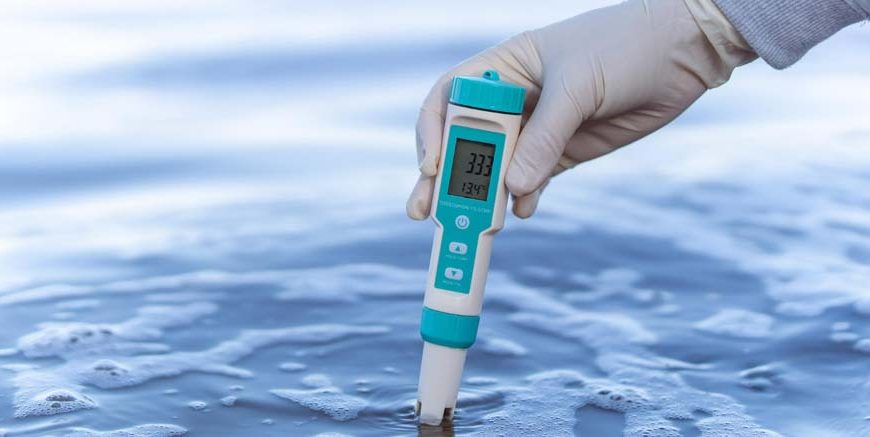
Let us talk about the invisible water floating all around us. Some days, especially during the cold winter months, the air feels incredibly dry, making your lips chap and your hands feel rough. On other days, particularly during the summer, the air feels thick, heavy, and sticky, turning your hair into a frizzy mess the moment you step outside.
We call this invisible stickiness ‘humidity’. While our bodies can definitely feel the difference between a dry afternoon and a damp one, measuring exactly how much moisture is floating around requires a very special scientific tool. Let us dive into the fascinating world of measuring dampness and discover the clever gadget that helps scientists and weather forecasters understand the invisible water surrounding us.
Understanding the Tool: hygrometer definition
To get straight to the facts, a proper hygrometer definition describes it as a scientific instrument specifically built to measure the amount of moisture, or water vapour, present in the air, soil, or even inside confined spaces. You can easily think of it as a very smart thermometer. However, instead of telling you how hot or cold your garden is, a hygrometer is used to measure exactly how wet or dry the invisible air happens to be. It is an absolutely essential hygrometer weather instrument that professional meteorologists rely on every single day to predict heavy rain, thick fog, or brewing thunderstorms.
Read More – How do you make science interesting for kids?
A Peek into History: who invented hygrometer?
You might be quite surprised to learn that humans have been trying to measure damp air for hundreds of years, long before digital screens existed. If you are wondering who invented hygrometer, we have to look all the way back to the 1400s. The famous artist and brilliant inventor Leonardo da Vinci built the very first, basic version of this tool. He wanted a way to know if it was going to rain.
Later, in the 1700s, a clever Swiss scientist named Horace Bénédict de Saussure improved the design significantly. Amazingly, he used a single piece of human hair to measure the moisture! It sounds quite silly, but his unusual invention changed weather forecasting forever.
The Science Behind It: hygrometer working principle
How does a single strand of hair help measure the weather? This brings us to the highly fascinating hygrometer working principle. Human hair actually acts a bit like a kitchen sponge. It naturally stretches out and becomes slightly longer when the air is damp, and it shrinks back to its normal size when the air is completely dry.
Early instruments securely attached a piece of hair to a small dial. As the hair stretched or shrank throughout the day, the dial’s needle moved up and down to show the moisture level. Today, our modern digital versions use clever electronic sensors instead of hair. These tiny sensors detect microscopic changes in electrical currents caused by the moisture in the room, instantly calculating the exact humidity percentage and flashing it onto a screen.
Exploring the Different types of hygrometer
Just like we have different types of clocks for different jobs, there are several types of hygrometer used across the world. The classic ‘hair tension’ model we just mentioned is one of the oldest. Then, there is a fascinating mechanical tool called a ‘psychrometer’. This tricky device uses two separate thermometers placed side-by-side, one is kept completely dry, and the other is wrapped in a damp cloth. By looking at the temperature difference as the water evaporates from the wet cloth, scientists can figure out the exact humidity. In our modern family homes and classrooms, however, we mostly rely on simple, battery-powered digital versions that sit quietly on a shelf.
Everyday Applications: hygrometer uses
So, exactly what is the use of hygrometer in our daily, normal lives? The practical hygrometer uses stretches far beyond the local television weather station.
For instance, grand museums and art galleries heavily rely on them to protect history. If the air inside a museum gets too damp, priceless ancient paintings and delicate paper documents can quickly grow fuzzy mould and be ruined forever. By monitoring the air, the museum staff can keep the treasures safe. Greenhouses also use these tools every day. Farmers need to ensure that exotic flowers and fresh vegetables get the perfect amount of sticky, humid air they need to grow strong, plump, and healthy.
Read More – Science Quiz Questions and Answers for Kids
What Else is a hygrometer used for?
Beyond grand museums and bustling farms, a hygrometer used for general home comfort is incredibly common and highly useful. Imagine a musician with a beautiful, expensive wooden guitar. If they leave their precious instrument in a room that is far too dry, the wood can easily crack and snap!
Furthermore, monitoring the air inside your living room keeps your family feeling well. If the indoor air is too dry, it can give you a scratchy throat. If it is too humid, it can make the room feel stuffy and encourage nasty damp patches on the wallpaper. By checking this clever little device, parents know exactly when to open the windows to let fresh breezes in, or when to turn on a machine to add a bit of comfortable moisture back into the dry winter air.
Summary
The physical world is completely full of invisible forces that shape how we feel, what we wear, and how our natural environment grows. A clever gadget that measures invisible water vapour proves that just because we cannot see something with our own eyes, it does not mean it is not deeply impacting our daily lives. From keeping ancient historical treasures perfectly safe in glass cabinets, to ensuring the bright red tomatoes in a local greenhouse grow beautifully, measuring humidity is a brilliant example of human problem-solving.
It certainly makes you pause and wonder: what other invisible elements in our vast universe are quietly waiting to be measured and understood by the next generation of bright scientists? To discover more wonderful ways to nurture your child’s boundless curiosity and fully support their early learning journey, explore the EuroKids Blog and find out all the essential details regarding EuroKids Preschool Admission today.
FAQs
Can I use this instrument inside my own house?
Yes, many families keep a small digital one in their living rooms or bedrooms to make sure the indoor air is comfortable, balanced, and perfectly healthy to breathe.
Is humidity the exact same thing as rain?
No. Rain is liquid water that is heavy enough to fall from the sky, whereas humidity refers to the invisible water vapour floating around in the air before it turns into actual rain clouds.
Why did old instruments use strands of human hair?
Human hair naturally absorbs moisture from the air, causing it to stretch slightly. This reliable physical change was the perfect way to move a tiny measurement needle back in the old days.