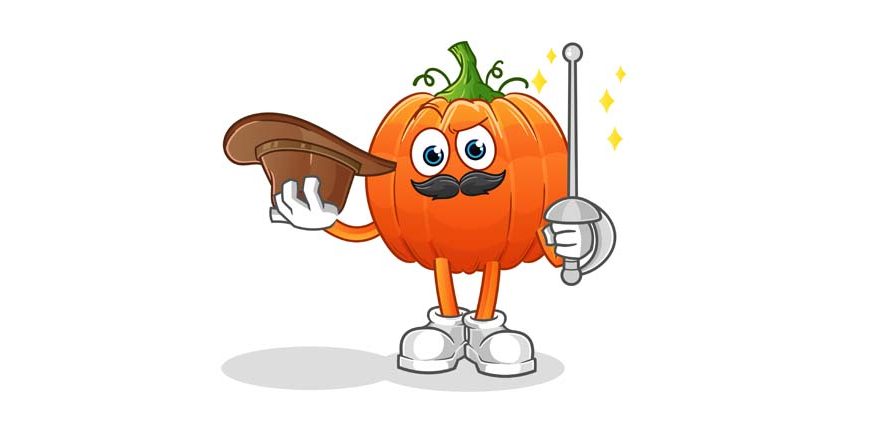
If you take a stroll through a vegetable patch during the crisp, breezy days of autumn, you will likely spot massive, bright orange squashes resting on the damp soil. While most of us look at these vibrant vegetables and immediately think of a warm bowl of soup or a sweet, spiced pie, nursery rhymes have a wonderfully different take on things.
The world of children’s poetry is famous for turning the ordinary into the absolutely extraordinary. Instead of just eating a vegetable, what if someone actually decided to live inside one? This delightfully absurd and magical concept is exactly what makes classic childhood verses so memorable.
Today, we are going to dive into the brilliantly orange, slightly silly world of a very famous character. We will look at his peculiar housing choices, explore the bouncy rhythm of the words, and discover why this specific rhyme has stayed in our storybooks for generations.
The Lyrics
Before we figure out how on earth someone fits inside a vegetable, let us read the classic words of the peter peter pumpkin eater poem together. It is short, incredibly catchy, and very easy for little ones to memorise:
Peter Peter pumpkin eater,
Had a wife and couldn’t keep her;
He put her in a pumpkin shell,
And there he kept her very well.
Read More – Nursery Rhymes For Kids with Lyrics
Who Exactly is the Famous Character?
When we introduce young children to peter peter, we are introducing them to a character of pure nonsense and fun. But who is this chap? Well, the rhyme immediately tells us his main hobby: he is a massive pumpkin eater.
Try explaining this to your little one. Imagine a man who loves eating roasted pumpkin seeds, sweet pumpkin mash, and hot pumpkin pie so much that it becomes his entire personality! However, the most interesting part of the story is not his appetite, but his rather bizarre DIY skills. When he faced a problem, his solution was to carve out a massive, giant orange squash and turn it into a tiny, round house.
For a child, picturing this is a fantastic exercise in imagination. You can ask them questions to paint the picture in their minds. What do they think the inside of a pumpkin shell feels like? Is it cold and smooth, or is it soft and squishy? Would the walls be bright orange? What kind of tiny furniture would you put inside a round, bumpy house?
Fun Ways to Bring the Rhyme to Life
Reading the words from a page is lovely, but bringing the story into the physical world makes learning so much better. Because this specific rhyme is highly visual, there are countless ways to play with it at home.
You could spend a rainy Saturday afternoon drawing a picture of the famous pumpkin eater. Provide your child with plenty of bright orange crayons and let them design the ultimate vegetable house. Where would they put the windows? Would they draw a tiny little chimney puffing out smoke?
Another brilliant activity is acting it out. Grab a large cardboard box from the recycling bin and pretend it is the giant shell. Let your child climb inside with their favourite blankets and soft toys to see what living in a cosy, enclosed space might actually feel like. Activities like this transform a simple four-line peter peter poem into a whole afternoon of creative, dramatic play.
Read More – Short Moral Stories for Kids
Why Silly Rhymes Build Brilliant Minds
It might seem like just a funny song about a squash, but the peter peter pumpkin eater rhyme does some heavy lifting for a child’s brain development. When toddlers repeat these bouncy, rhythmic verses, they are actively practising their pronunciation. They are learning how different vowel sounds stretch out, and how consonants click at the end of words.
Furthermore, memorising short verses gives young children a massive boost in confidence. Being able to stand up in the middle of the living room and recite a full poem from memory is a very proud moment for a toddler. It builds their vocabulary, enhances their auditory memory, and most importantly, associates reading and speaking with feelings of immense joy and laughter.
Summary
Nursery rhymes are essentially the very first stepping stones on a child’s lifelong journey of reading and storytelling. They teach us that literature does not always have to be serious; sometimes, it can just be about a man who loves his favourite vegetable so much that he builds a house out of it. By encouraging our children to explore these silly, imaginative worlds, we are giving them the tools to think outside the box and find humour in everyday things.
It makes you wonder: if a child can imagine an entire, cosy life inside a bright orange shell, what other magnificent, boundless ideas are currently blooming inside their brilliant little minds? To discover more wonderful ways to nurture your child’s creativity and give them the best possible start in life, explore the EuroKids Blog and find out all the necessary details regarding EuroKids Preschool Admission today.
FAQs
What is the main lesson of this nursery rhyme?
While it is mostly a nonsense verse meant for giggles, it brilliantly teaches children about rhythm, rhyming structures, and using their boundless imagination to picture impossible scenarios.
Is it a good idea to act out the rhyme at home?
Absolutely! Encouraging children to draw the vegetable house or pretend a cardboard box is a giant shell turns basic reading into an interactive, creative play session.
Why do children love poetry so much?
Children love the element of surprise. Poetry breaks the strict, logical rules of the real world, allowing them to laugh at the absurdity of things like living inside a garden vegetable.