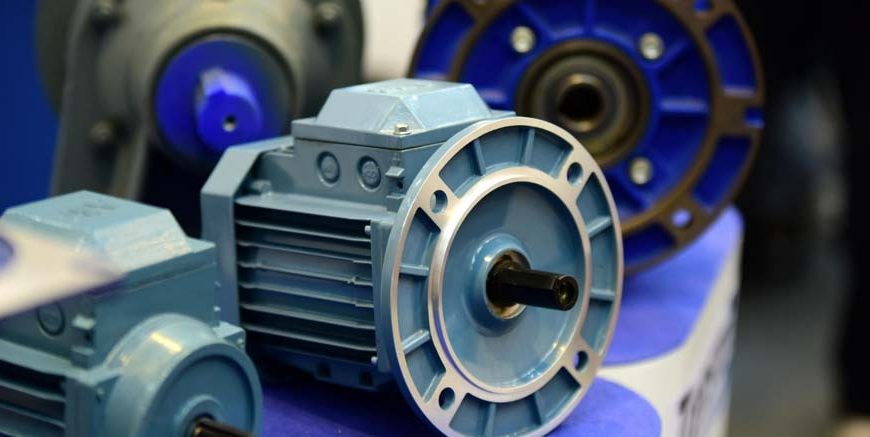
The moment you wake up in the morning, your house is already buzzing with invisible helpers. You might hear the gentle hum of the refrigerator keeping your milk perfectly cold, or the low rumble of a washing machine spinning your favourite jumpers. These familiar sounds belong to incredible hidden machines that work tirelessly behind the scenes to make our modern lives comfortable and easy. Today, we are going to explore the brilliant science behind these everyday helpers. We will discover exactly how invisible electrical energy transforms into actual, physical movement that we can see and use.
What is AC motor?
Let us start by breaking down the basic science. When a curious child asks what is AC motor, the simplest way to explain it is to call it a magical energy converter. It is a phenomenal machine that takes the electrical energy flowing secretly through the wires in your walls and turns it into mechanical energy. Mechanical energy is simply the energy of movement, like spinning, pushing, or pulling.
To get a bit more scientific, the formal AC motor definition states that it is an electric motor driven by an alternating current. But what does alternating actually mean? Think about the batteries inside your television remote; they send electricity in one straight line, which is called direct current. Alternating current, however, wiggles back and forth very quickly. Imagine pushing a friend on a playground swing forwards and backwards in a steady, constant rhythm. That continuous, alternating push and pull is exactly what powers these brilliant spinning devices!
Read More – Names Of Household Appliances In English
Understanding the classification of AC machines
Just like vehicles on the road come in many different shapes and sizes, such as speedy sports cars, heavy lorries, and nimble bicycles, these electrical machines have their own special families. The main classification of AC machines is divided into two primary groups based on how they handle the electrical rhythm: synchronous and induction.
A synchronous machine is the perfectionist of the engineering world. It spins at the exact same speed as the alternating electric current that is feeding it. It is incredibly precise, acting very much like a perfectly timed dancer following a strict musical beat. Because they never lose their rhythm, they are used in places where exact timing is completely crucial.
On the other hand, we have the induction machine. This is the hardworking, rugged type that you will find most often inside family homes. Instead of strict timing, it relies on invisible magnetic fields pulling a heavy metal rotor along, spinning just slightly slower than the electrical current itself. Both are highly clever, reliable ways of creating continuous motion without needing messy fuels like petrol.
Discovering 10 uses of motor Applications Around Us
You might be quite surprised to learn just how many items in your home rely on this specific spinning technology. Let us look at a fascinating list of 10 uses of motor applications that keep your daily routine running smoothly:
- Desk Fans: This is perhaps the easiest example of AC motor brilliance to spot. It simply turns electrical energy into a cooling, refreshing breeze during a hot British summer afternoon.
- Washing Machines: These heavy appliances use immense spinning power to toss your soapy clothes around in the water until they are perfectly clean and fresh.
- Refrigerators: The internal pump that keeps the freezing air constantly flowing around your groceries relies entirely on this technology.
- Vacuum Cleaners: A very loud, fast-spinning motor creates powerful suction to pull dust and dirt right out of your thick living room carpet.
- Hairdryers: A tiny, incredibly fast spinner blows air over glowing hot wires to dry your wet hair before you head off to school.
- Water Pumps: These hidden machines pull clean water from deep underground pipes straight up into your bathroom taps and showerheads.
- Dishwashers: They spray hot, soapy water all over your sticky dinner plates by spinning powerful mechanical arms inside the machine.
- Electric Clocks: Many older, plug-in wall clocks use a highly precise synchronous drive to ensure the clock hands tick accurately and never lose a single second.
- Air Conditioners: These massive boxes use heavy spinning fans to push chilled air throughout large buildings, hospitals, and schools.
- Lawn Mowers: The heavy, sharp blades that trim the garden grass are often powered by a robust, reliable electric spinner.
Read More – Fascinating Science Facts for Kids
Summary
Looking closely at the machinery hidden inside our homes completely changes how we view the world around us. Without these spinning marvels, we would still be washing all our clothes by hand in the local river and relying on paper fans to stay cool in July. Understanding how a simple, alternating electrical current turns into physical movement is a brilliant reminder of human imagination and very clever engineering. It makes you pause and wonder: what exciting, brand-new tasks will the next generation of bright thinkers ask these spinning machines to do? Perhaps they will build flying cars or robots that tidy up our messy bedrooms! To continue nurturing your child’s magnificent curiosity and to explore more engaging, foundational educational topics, take a quiet moment to read through the EuroKids Blog and find out all the essential details regarding EuroKids Preschool Admission today.
FAQs
Why do we use alternating current instead of standard batteries for big machines?
Alternating current can be sent over incredibly long distances through massive power lines without losing much energy, making it perfect for powering heavy, energy-hungry appliances in our homes.
Can these spinning machines run backwards?
Yes, they certainly can! By simply changing the way the electrical wires are connected, engineers can easily make the magnetic fields push the motor in the completely opposite direction.
Are these machines safe to have around the house?
Absolutely. They are safely enclosed inside sturdy plastic or metal cases within your appliances, ensuring that the spinning parts and electrical wires never come into contact with curious little hands.