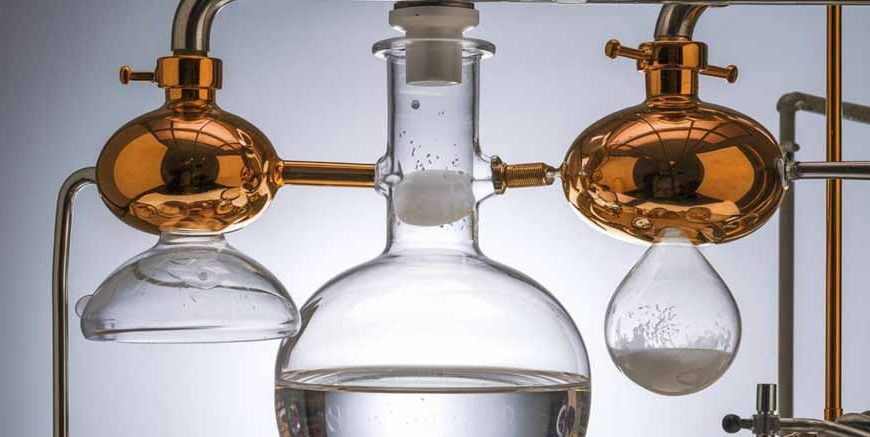
Imagine spending an entire afternoon baking a massive, chocolate sponge cake. You mix the flour, eggs, butter, and cocoa powder in a giant glass bowl. Once that cake comes out of the hot oven, it is completely impossible to pull the raw eggs or the flour back out again. The ingredients are permanently locked together. However, not everything in the world works like a baked cake.
We actually spend a lot of our daily lives mixing different liquids and solids together, but scientists have also figured out highly clever ways to separate them again. One of the absolute best methods relies entirely on a smart game of heating and cooling. Today, we are going to look closely at how trapping hot steam helps us solve massive global problems, keep hospitals completely clean, and run our motor cars.
Understanding what is distillation process
If a curious child asks you, what is distillation process, the easiest way to explain it is to talk about a boiling kitchen kettle. In the world of science, it is a very clever method used to separate a messy mixture of liquids by using controlled heat. Every single liquid on the planet boils at a completely different temperature. For instance, fresh water boils and turns into steam at exactly one hundred degrees Celsius.
If you have a pot containing a mixture of two different liquids, you simply turn on the stove and watch the thermometer. The liquid with the lower boiling temperature will always turn into a hot, floating gas (or vapour) first. If you trap that escaping hot vapour inside a sealed glass tube and quickly cool it down, it turns straight back into a pure liquid. The other part of the mixture stays perfectly trapped in the original boiling pot. It is essentially a brilliant cycle of boiling, catching, and cooling.
A classic distillation example from the science lab
To really picture this working in real life, think about a classic distillation example that almost every student gets to witness in a secondary school science laboratory. The teacher will usually bring out a dirty, muddy glass flask filled with brown, salty water. They place a roaring Bunsen burner underneath this dirty flask. As the brown water gets incredibly hot, it begins to aggressively bubble and boil.
The pure water hiding inside the mud slowly turns into invisible steam and floats upwards. However, the thick, heavy dirt, the mud, and the salt cannot turn into steam, so they stay trapped right at the bottom of the hot glass flask. The clean, floating steam travels down a very cold, angled glass tube. As soon as the hot steam hits the freezing cold glass, it turns back into pure water droplets. These droplets drip happily into a clean, empty beaker waiting at the end. In just a few minutes, you have successfully separated the nasty mud from the crystal-clear water.
Read More – Fascinating Science Facts for Kids
Simple distillation examples in the natural world
You actually do not need a fancy laboratory full of expensive glass tubes and thermometers to see this happening. You just need to look outside your bedroom window! Our beautiful planet is constantly performing simple distillation examples on a massive, global scale through the natural water cycle.
Think about the giant, salty ocean. The hot summer sun shines down on the waves all day long, gently heating the surface. This causes the water to slowly turn into invisible vapour, leaving all the heavy ocean salt perfectly behind in the sea. This incredibly pure vapour rises high up into the freezing cold sky, where it rapidly cools down to form giant, fluffy white clouds.
When those clouds get entirely too heavy, the moisture falls back down to the ground as fresh, clean rain, filling up our rivers and providing drinking water for all the animals. Mother Nature was undoubtedly the very first scientist to use this method!
5 examples of distillation in our daily lives
Now, let us look at how humans have copied this brilliant trick from nature to manufacture the things we rely on. Here are 5 examples of distillation that quietly keep our modern world spinning:
- Creating safe drinking water: There are many hot, dry countries located right next to the ocean that desperately need fresh drinking water. They use giant, industrial desalination plants to boil billions of gallons of salty seawater. They catch the pure steam and turn it into safe, perfectly clean drinking water for entire bustling cities. Even astronauts floating on the International Space Station use a tiny version of this machine to recycle and clean their daily water supply!
- Pulling essential oils from plants: If you want a tiny glass bottle of liquid that smells exactly like a giant field of fresh lavender or peppermint, you have to use steam. Perfumers use this gentle heating method to carefully pull the fragrant, sweet-smelling oils right out of the delicate flower petals without accidentally burning them to a crisp.
- Refining thick crude oil: When thick, black, messy crude oil is first pulled straight out of the ground, it is totally useless. Giant industrial refineries boil this sticky oil in massive metal towers to separate it. Because of the different boiling temperatures, they can easily pull out petrol for our daily cars, heavy diesel for delivery lorries, and even the base chemicals needed to make plastic toys.
- Making beautiful perfumes: High-end, expensive perfumes rely heavily on extracting the absolute purest scents from rare tree barks, strong spices, and flowers. Using careful heating and cooling allows makers to perfectly capture and trap a very delicate, natural smell inside a small glass bottle.
- Producing safe medical liquids: Hospitals and doctors desperately need one hundred percent pure, sterile water to safely clean open wounds, wash surgical tools, and mix with important medicines. They use this exact boiling method to absolutely guarantee that no hidden bacteria, unwanted chemicals, or strange minerals are hiding in the hospital water supply.
Read More – How do you make science interesting for kids?
The massive impact of the distillation process
When you look at that list, you quickly realise that the entire distillation process is incredibly important for human survival. It allows us to carefully control our environment and gather the exact, pure resources we need to thrive. Without this clever science, our modern motor cars would not have any petrol, our local hospitals would struggle with basic hygiene, and dry, sunny islands would quickly run completely out of fresh drinking water.
Conclusion
It is quite incredible to think that the simple, everyday act of boiling a kitchen kettle and watching the hot steam hit a cold windowpane is the exact same underlying science used to run massive global industries. We spend so much of our early childhood enthusiastically learning how to mix bright paint colours, baking ingredients, and wild ideas together. But learning how to cleverly separate them again is where the real, practical magic happens.
Understanding exactly how the physical world works gives young children the powerful mental tools they need to solve tomorrow’s big problems. Whether they are cleaning muddy water in a fun science lesson or simply understanding why it rains, this knowledge builds a sharp, highly analytical mind. To discover more fantastic insights into early childhood learning and child development, please read the EuroKids Blog and easily secure a wonderful educational journey for your child today through EuroKids Preschool Admission.
FAQs
Can I try this experiment at home safely?
While you should never play with boiling water or fire alone, you can watch it happen simply by placing a cold metal spoon above a safely resting mug of hot tea and watching the pure water droplets form on the metal.
Does boiling water remove all the bad germs?
Yes, boiling water naturally kills dangerous bacteria, but catching the steam and turning it back into water is what actually leaves the heavy dirt, salt, and harsh chemicals behind completely.
At what exact temperature does the separation happen?
It completely depends on the liquid! Pure water turns to steam at one hundred degrees Celsius, but other liquids like cooking oils or petrol turn to gas at completely different, specific temperatures.