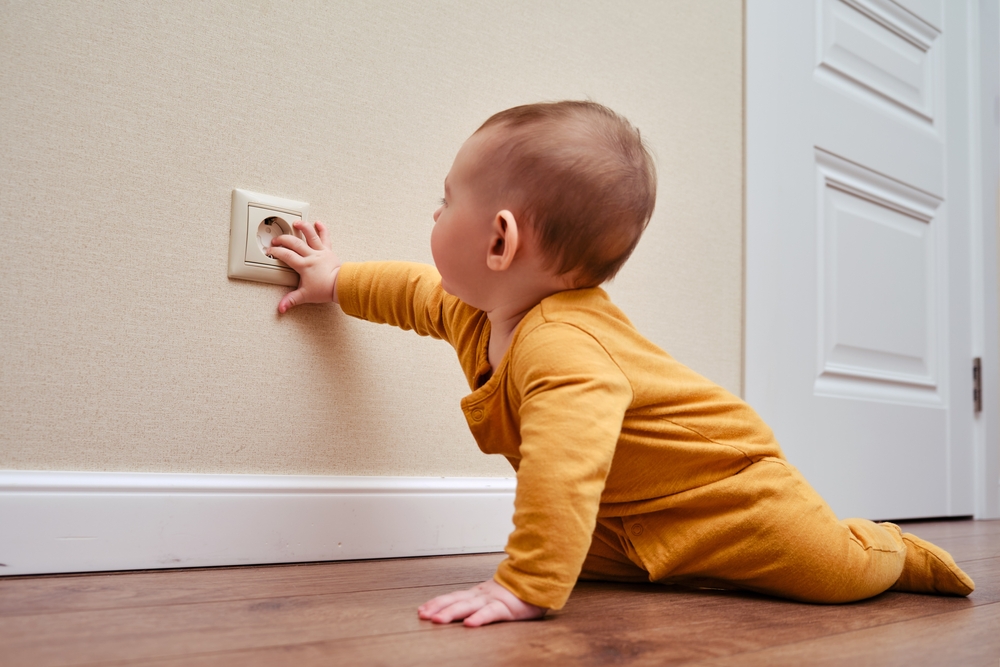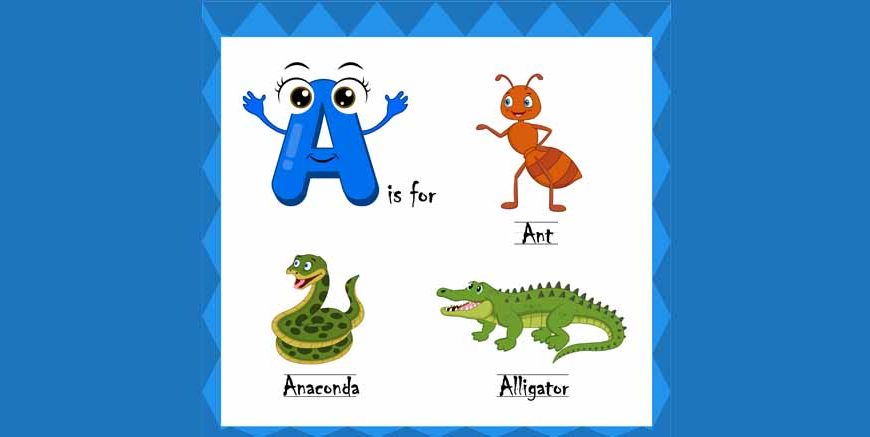
You may notice something puzzling when your child starts learning to read. They recognise letters confidently. They even know the alphabet song by heart. Yet, when it comes to reading simple words, hesitation appears. The sounds feel disconnected. Reading turns into guesswork rather than confidence. This moment worries many parents, but it has a clear explanation.
Early reading does not fail because children lack intelligence or effort. It slows down when sound patterns do not feel predictable. This is where short vowel phonics, especially short ‘A’ word families, play a crucial role. When children learn at sound words, an sound words, or ap sound words, they stop decoding every letter individually. Instead, they begin recognising patterns. Reading starts to feel natural rather than forced.
This blog helps you understand how short ‘A’ word families work, why phonics games matter, and how structured learning environments like EuroKids support early literacy in a meaningful way. You will also discover how you can reinforce this learning at home without pressure or confusion.
What Are Short ‘A’ Word Families and Why Do They Matter
Short ‘A’ word families consist of words that share the same ending sound while changing the starting consonant. When your child learns one pattern, they unlock multiple words at once. This creates confidence, speed, and clarity in reading.
For example, once your child understands “at,” they can read cat, bat, hat, and mat with ease. This predictability builds phonemic awareness and reduces reading anxiety. Word families also strengthen spelling skills because children learn how sounds repeat consistently.
Early phonics instruction focuses heavily on short vowels because they appear most often in beginner reading material. Mastering short ‘A’ families forms a strong base for future reading fluency, sentence construction, and comprehension. It also helps children hear subtle sound differences, which improves pronunciation and listening skills.
Read More – Opposite Words for Class 1 Kids
Why Games Work Better Than Rote Learning in Phonics
Children do not learn best by memorising word lists. They learn through repetition, emotion, and engagement. Phonics games combine all three elements naturally. When children play with words, their brains treat learning as discovery rather than instruction.
Games help children hear sounds repeatedly without boredom. They encourage trial and error without fear of mistakes. They also allow teachers to observe learning gaps and correct them gently. Most importantly, games create positive emotional associations with reading.
When phonics learning feels enjoyable, children practise willingly. This consistency leads to stronger retention and faster progress. Structured phonics games also respect each child’s pace, ensuring no learner feels rushed or left behind.
Learning At Sound Words Through Everyday Play
At sound words often become a child’s first reading success. Words like cat, bat, rat, and mat feel rhythmic and easy to blend. The “at” sound stays constant, allowing the child to focus only on the first letter change.
Teachers introduce these words through pictures, spoken repetition, and simple storytelling. At home, you may notice your child spotting “cat” on signs or books and reading it aloud proudly. That moment signals true phonics understanding.
These words also support early sentence building. Simple phrases like “The cat sat” help children connect reading with meaning. This connection keeps learning purposeful rather than mechanical.
Expanding Confidence with An Sound Words
An sound words like fan, man, pan, and can help children practise nasal sounds clearly. These words appear frequently in daily language, which makes them easy to reinforce through conversation and reading.
A structured an sound words list allows children to recognise how the same sound repeats across different words. Teachers often encourage children to form short sentences using these words, which improves both reading and speech clarity. This stage marks a shift from decoding to fluency. Children begin predicting sounds rather than sounding out each letter. Reading becomes smoother and more confident.
Read More – Number Words For Kids
Strengthening Blending Skills with Am Sound Words
Am sound words such as jam, ham, and ram help children practise blending consonants smoothly. These words encourage rhythm and pacing, which supports oral reading development. Children often enjoy these words because they connect easily to visuals and real objects. Teachers use repetition and guided reading to help children read these words without hesitation. At this stage, reading aloud becomes an important milestone. When children read confidently in front of others, their self-esteem grows along with their skills.
Building Sound Awareness Through the Ab Family
The ab family introduces words like cab, lab, and tab. These words support sound segmentation, helping children hear where a word begins and ends. Learning these words sharpens listening skills and prepares children for spelling. When children understand how sounds change at the beginning of a word while the ending remains constant, they develop strong phonological awareness. This awareness supports writing skills later, as children begin spelling words based on sound rather than memory alone.
Clear Pronunciation with Ag Sound Words
Words like bag, tag, and rag form the ag sound words group. These words help children distinguish between similar vowel sounds and improve articulation. Teachers often introduce these words through movement and storytelling, making learning interactive. Children remember sounds better when actions and visuals support them. This stage strengthens auditory discrimination, a skill essential for reading longer and more complex words in later years.
Read More – Silent Letters in English A to Z Words List
Making Learning Active with Ap Sound Words
Ap sound words such as cap, map, and tap lend themselves well to action-based learning. Children associate these words with movement, which improves recall. These words also help children recognise patterns quickly. Once the “ap” sound settles in their mind, reading becomes faster and more accurate. Active phonics learning keeps children engaged and motivated, especially those who learn best through physical interaction.
Understanding Emotions Through Ad Sound Words
Ad sound words like dad, pad, and sad help children connect language with emotions and relationships. These words often appear in early storytelling and personal expression. When children read emotionally familiar words, comprehension improves. They understand not just how to read a word, but when to use it. This emotional connection deepens language understanding and supports expressive communication.
Everyday Usage of As Family Words
As family words such as has, gas, and was appear frequently in spoken and written language. Recognising these words early improves sentence comprehension.
These words often act as connectors in sentences. When children read them fluently, reading speed increases and comprehension improves. Teachers integrate these words into daily conversation, making learning seamless and natural.
How EuroKids Builds Strong Phonics Foundations
EuroKids follows a structured, child-centred approach to early literacy. Trained educators introduce phonics through play, repetition, storytelling, and guided reading. Each child receives the time and support they need to master sound patterns confidently.
Learning environments encourage curiosity rather than pressure. Children feel safe to make mistakes and learn through exploration. EuroKids follows the Heureka Curriculum, which focuses on concept clarity and experiential learning aligned with early phonics development.
How You Can Support Learning at Home
You play a vital role in reinforcing phonics learning. Reading together daily, repeating word families during play, and encouraging your child to read signs and labels builds confidence. Keep sessions short and positive. Celebrate effort, not perfection. When learning feels safe, children progress faster and retain skills longer.
Why Early Phonics Shapes Academic Confidence
Strong phonics skills influence reading comprehension, writing ability, and classroom participation. Children who read confidently engage more actively in learning. Early mastery of short ‘A’ word families lays the groundwork for lifelong literacy. It allows children to approach learning with confidence rather than hesitation. Early literacy shapes how your child experiences learning for years to come. A strong phonics foundation builds confidence, curiosity, and independence. Parents looking to support structured early learning can explore EuroKids Preschool Admission to understand how expert-led phonics instruction supports holistic development. The EuroKids Blog also offers trusted insights for parents seeking guidance in early education.
Frequently Asked Questions
At what age should children start learning short ‘A’ word families?
Children typically begin learning short vowel sounds between ages three and five, depending on readiness.
How do phonics games help reading development?
Games improve retention, engagement, and sound recognition through repetition and play.
How often should phonics be practised at home?
Short daily sessions work better than long, irregular practice.
Do word families help with spelling as well?
Yes, recognising sound patterns supports early spelling and writing skills.
How do EuroKids support early literacy?
EuroKids uses structured phonics instruction guided by trained educators and experiential learning methods.