Learning opposite words is super fun for young learners! Especially for kids in Class 1, understanding opposites helps build strong language skills. Opposite words are also called antonyms. When children know simple opposite words, they become better at speaking, reading, and writing in English. This blog will share an easy list of 100 opposite words in English, especially perfect for kids learning opposite words for Class 1.
At EuroKids, young learners enjoy activities that make learning opposite words in English for Class 1 enjoyable and interactive. With games, flashcards, and fun-filled lessons, EuroKids helps children understand what is the antonym of each word in a joyful way.
What Are Opposite Words?
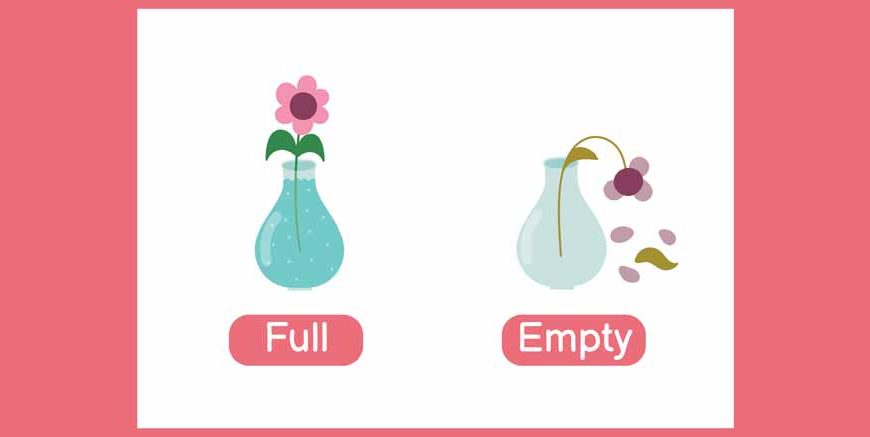
Opposite words are pairs of words that have completely different meanings. For example, the opposite word for big is small. Opposite words show differences, like full is opposite word for empty, or fast is opposite of slow. These words help kids describe things better.
In English, opposite words are also called antonyms. When we talk about antonyms examples, we are simply picking pairs of words that mean opposite things. Learning common antonyms plays an important role in helping Class 1 children understand opposite words.
Let’s explore a fun list of opposites!
Read Moe – Commonly Confused Words in English for Kids
100 Opposite Words in English for Class 1:
Here are 100 opposite words that are easy, fun, and great for beginners:
- Big – Small
- Tall – Short
- Fast – Slow
- Hot – Cold
- Happy – Sad
- Light – Dark
- New – Old
- Day – Night
- Up – Down
- In – Out
- Open – Closed
- Hard – Soft
- Clean – Dirty
- Full – Empty
- Loud – Quiet
- Far – Near
- Thick – Thin
- Heavy – Light
- Long – Short
- Wet – Dry
- Early – Late
- High – Low
- Sharp – Dull
- More – Less
- Bright – Dim
- Kind – Mean
- Smooth – Rough
- Warm – Cool
- Same – Different
- Right – Wrong
- Soft – Hard
- Tight – Loose
- Sweet – Sour
- Strong – Weak
- First – Last
- Big – Tiny
- Fast – Slow
- Above – Below
- Better – Worse
- Empty – Full
- Near – Far
- Left – Right
- Rich – Poor
- Healthy – Sick
- Push – Pull
- Give – Take
- Grow – Shrink
- Laugh – Cry
- Smile – Frown
- Buy – Sell
- Warm – Cold
- Thick – Thin
- Happy – Angry
- Quiet – Noisy
- Soft – Loud
- Sweet – Bitter
- Clean – Messy
- Day – Evening
- Tall – Tiny
- Big – Small
- Empty – Occupied
- Open – Shut
- Fast – Slow
- Full – Hollow
- Bright – Dark
- Strong – Weak
- Correct – Incorrect
- Wet – Dry
- Hard – Easy
- Near – Distant
- Heavy – Light
- Smooth – Bumpy
- Sharp – Blunt
- Thick – Slim
- Stop – Go
- Push – Pull
- In – Out
- Start – Finish
- Give – Receive
- Above – Below
- Open – Close
- Happy – Sad
- Young – Old
- Gain – Lose
- Rise – Fall
- Win – Lose
- Loud – Soft
- Cold – Hot
- Bright – Faint
- Empty – Full
- Inside – Outside
- Tall – Short
- Near – Far
- Light – Heavy
- Fast – Gentle
- Thick – Thin
- Bright – Dull
- Sweet – Salty
- Busy – Idle
- Give – Take
Read More – Simple Words for Kids
Why Opposite Words Are Important for Kids?
Learning opposites helps kids in many ways:
- Builds Vocabulary: When children learn opposite words, their vocabulary becomes larger. They get better at speaking and understanding English. For example, when a child learns that hot is the opposite of cold, they can describe weather better.
- Improves Thinking Skills: Opposite words help children think in different ways. They learn to compare and contrast things.
- Helps in Reading and Writing: Knowing antonyms makes reading easier and more fun. When kids read stories, they can identify meanings faster. Writing also becomes more creative!
- Makes Learning Fun: At places like EuroKids, kids play games, sing songs, and use colourful cards to learn opposite words in class 1. This helps them stay interested and excited.
Read More – Simple Opposite Words for Kids
How EuroKids Helps Kids Learn Opposites?
EuroKids focuses on early childhood learning by making lessons playful and interesting. Teachers use:
- Flashcards with opposites
- Fun worksheets
- Rhymes and songs
- Group activities and games
- Picture cards that show big and small
These methods make antonyms words in English easy to understand. Instead of just memorizing, children learn through play. That’s the reason many parents choose EuroKids to build strong English vocabulary in their little ones.
Easy Tips to Learn Opposite Words:
- Practice every day with fun games.
- Use flashcards to memorize opposites.
- Try to speak sentences using opposite words.
- “The box is full, not empty.”
- “The sun is hot, not cold.”
For parents who wish to explore more ideas and resources on early learning, child development, and value-building, the EuroKids Blogs section offers a wealth of helpful content. And if you’re looking for the perfect start to your child’s educational journey, consider EuroKids, where we combine academic excellence with life skills and values to help your child grow into a confident, caring individual.
Learning opposite words is a big step in English for Class 1 kids! With common antonyms and opposite words examples, children can learn quickly and confidently. With support from early learning centres like EuroKids, every child can enjoy learning English the smart and joyful way! Happy Learning!
FAQs:
Q1: Why are opposite words important for Class 1 kids?
A: Opposite words help children understand meanings better and improve their English vocabulary.
Q2: How do opposite words help in speaking and writing?
A: Opposite words make sentences clearer and help children’s express ideas correctly while speaking and writing.
Q3: How do opposite words improve thinking skills?
A: Learning opposite words helps children compare things, notice differences, and think more clearly.
Q4: How do teachers use opposite words in class?
A: Teachers use games, pictures, stories, and activities to make learning opposite words fun and easy.
Q5: Why is learning opposite words fun for kids?
A: Children enjoy learning opposite words through songs, pictures, and activities, which makes learning enjoyable and stress-free.
You May Also Read: