You rarely stop to think about your hands, yet they quietly shape almost every learning moment in a child’s day. From holding a pencil to tying shoelaces, hands act as the bridge between thinking and doing. Many parents worry when children struggle with writing, cutting, or buttoning clothes, without realising that these challenges often connect to how well children understand and use their hands. When you learn how hands work and why they matter, you begin to see learning through a completely new lens. This is exactly where early education plays a powerful role, helping children build confidence through everyday actions they perform without even noticing.
This blog helps you understand the uses of hands in a way that feels natural, meaningful, and relevant for young learners and their parents. You will explore definitions, real-life examples, learning benefits, and fun facts that make the topic engaging for children while giving parents practical insight.
What Are Hands? A Simple Definition for Students
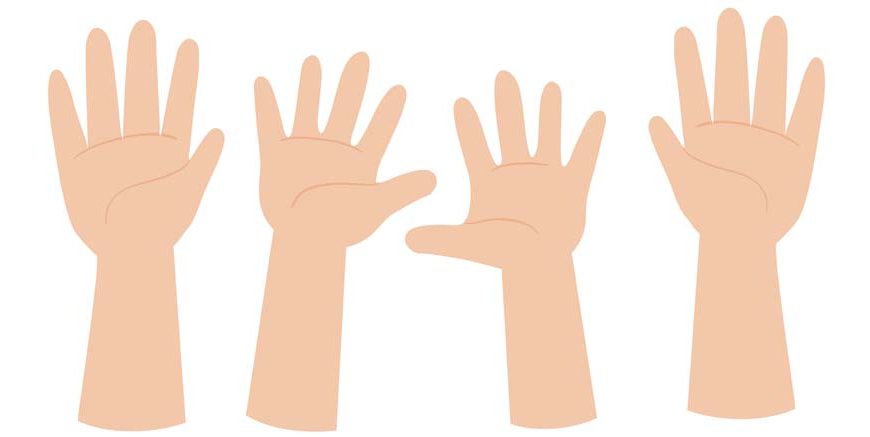
Hands form the most active part of your upper limbs. Each hand connects to the arm at the wrist and includes the palm, thumb, and four fingers. You use your hands to touch, hold, feel, create, and communicate. For children, hands serve as their first learning tools. Long before a child learns to speak or write, hands help them explore the world through touch and movement.
When children play with blocks, scribble with crayons, or clap to music, their hands send signals to the brain. These signals help develop coordination, memory, and understanding. This makes hands essential not only for physical tasks but also for cognitive growth.
Read More – Parts of the Hand
Understanding Hand Function in Everyday Life
Hand function refers to how your hands work together with the brain, muscles, and senses to complete tasks. Every small movement, such as picking up a coin or opening a book, requires precise coordination. Children gradually develop hand function as they grow, starting with simple grasping and moving towards controlled movements like writing and cutting.
Strong hand function supports independence. When a child learns to feed themselves, zip a bag, or draw shapes, they gain confidence. These actions may seem simple, but they require strength, balance, and coordination. Early learning environments encourage these movements through play-based activities that naturally strengthen hand function.
Read More – Hand Clapping for Kids
What Do You Do With Your Hands From Morning to Night
From the moment you wake up, your hands stay busy. You use them to brush your teeth, hold a spoon, button clothes, and wave goodbye. For children, daily routines become powerful learning moments. When a child pours water into a glass or stacks toys, their hands practice control and accuracy.
In school, hands help children participate actively. They raise hands to answer questions, turn pages while reading, and hold crayons during art time. Each action strengthens fine motor skills and improves focus. When children understand what do you do with your hands, they begin to see learning as something they actively participate in, not just something they watch.
The Use of Fingers in Learning and Creativity
The use of fingers plays a crucial role in early childhood development. Fingers allow precise movements that hands alone cannot achieve. Writing letters, counting numbers on fingers, tying laces, and opening lunch boxes all depend on finger control.
Each finger has a role. The thumb supports grip, while other fingers help with balance and accuracy. Activities like clay modelling, bead threading, and finger painting strengthen muscles and improve coordination. These activities prepare children for academic tasks such as writing and drawing, while also boosting creativity.
Read More – Body Parts Activities for Preschoolers
Hands and Brain Development Are Deeply Connected
When children move their hands, the brain stays active. Scientists have found that hand movements stimulate areas of the brain linked to memory and language. This means that hands help children think better, not just do better.
For example, when children trace letters with their fingers, they remember shapes more easily. When they count using fingers, numbers become more meaningful. This connection explains why hands-on learning works so well in early education. Children learn best when they touch, move, and explore.
How Hands Help Children Express Feelings and Ideas
Hands allow children to communicate even before words develop. Gestures, clapping, pointing, and waving help children express emotions and ideas. Creative activities like drawing, painting, and building allow children to show thoughts they may not yet explain verbally.
When children feel safe using their hands freely, they express themselves with confidence. This emotional connection supports social skills and self-esteem. Early learning environments encourage this expression through guided activities that balance structure and creativity.
Read More – Body Parts for Kids with Names
Fun and Surprising Facts About Hands
Hands contain 27 bones each, which makes them incredibly flexible. Fingerprints stay unique to every individual, even identical twins. Children use both hands together, but one hand usually becomes stronger, known as the dominant hand. Hands can sense temperature, texture, and pressure faster than many other body parts. These fun facts spark curiosity and make learning enjoyable for young students.
Why Learning About Hands Matters in Early Childhood
When children understand how their hands work, they use them with greater confidence. Parents often notice improvements in writing, drawing, and self-care when children engage in regular hand-based activities. Early education supports this growth by offering age-appropriate tasks that strengthen coordination without pressure.
A strong foundation in hand skills prepares children for school readiness. Writing, reading, and problem-solving all depend on well-developed hand function and finger control.
How EuroKids Supports Learning Through Hands-On Activities
At EuroKids, learning happens through movement, touch, and exploration. Classrooms encourage children to learn by doing, not memorising. Activities such as art, play-based tasks, puzzles, and storytelling help children use their hands naturally while building thinking skills.
EuroKids follows the Heureka Curriculum, which promotes experiential learning by encouraging children to explore concepts through hands-on activities that connect thinking with action.
Concluding
Choosing the right preschool shapes your child’s learning journey. EuroKids Admission offers a nurturing environment where children grow through structured play, guided learning, and everyday experiences. Parents who value balanced development find reassurance in an approach that supports academic readiness without pressure.
If you want your child to build confidence, creativity, and independence from an early age, exploring EuroKids Preschool Admission becomes a meaningful step towards that goal.
The EuroKids Blog offers parents reliable insights on child development, early learning, and parenting tips. Each article focuses on real concerns parents face and provides practical guidance supported by research and classroom experience. Exploring these resources helps parents make informed decisions with confidence.
A structured early learning environment includes child-safe classrooms, trained educators, activity-based learning modules, and age-appropriate tools that support hand function and motor development. Franchise models like EuroKids focus on consistent curriculum delivery, safety standards, and parental engagement, ensuring quality learning experiences across centres.
Frequently Asked Questions
Why are hands important for children’s learning?
Hands help children explore, understand, and remember concepts through movement and touch.
How does strong hand function help in school?
Good hand function improves writing, drawing, concentration, and independence in daily tasks.
What activities improve the use of fingers?
Clay play, colouring, cutting shapes, threading beads, and simple puzzles strengthen finger control.
At what age should children develop hand skills?
Hand skills begin developing in infancy and continue strengthening throughout early childhood.
How does EuroKids support hand-based learning?
EuroKids uses play-based activities that naturally develop coordination, creativity, and confidence.