Have you ever wondered where you get the energy to sprint across the playground or solve a tricky maths puzzle after a long morning of lessons? You might think your body runs on magic, but it actually runs on fuel from the food you eat. One of the most important, yet most misunderstood, parts of that fuel is fat. Many people think all fats are bad, but that is a huge mistake. Imagine trying to ride a bicycle with no oil on the chain; it would be squeaky, slow, and very hard to pedal. In the same way, your body needs fatty foods to keep your brain sharp and your joints moving smoothly. The real secret is learning which fats are the “superheroes” that help you grow and which ones are just “villains” that make you feel tired.
The True Purpose of Fat in a Student’s Diet
When you eat fat rich food, you are giving your body a special kind of long-lasting energy. While sugar gives you a quick burst that fades fast, fat is like a slow-burning log on a campfire that keeps you warm and bright all day long. But fat does even more than just provide energy. Your brain is actually made of about 60% fat. This means every time you remember a new word or learn how to kick a ball, your brain is using healthy fats to build those connections. Furthermore, fats act like a delivery van for vitamins. Vitamins A, D, E, and K are shy and will only enter your body if they have fat to travel with. Without enough fat containing food, your body cannot use the goodness from your carrots or broccoli.
Read More – Healthy Foods for Kids to Gain Weight
Identifying Healthy Examples of Fats
To become a nutrition expert, you need to know that not all fats look the same. We can find different examples of fats in our kitchens every day. Some fats are called “unsaturated fats,” and these are the ones we love. They are usually liquid, like the olive oil your parents might drizzle on a salad. These are brilliant for your heart and keep your blood flowing easily. Then there are “saturated fats,” which are often solid at room temperature, like the fat on a piece of meat or in a block of butter. While these are okay in small amounts, we should not eat too many of them. The most important thing is to avoid “trans fats,” which are man-made and found in things like cheap biscuits or deep-fried fast food. Those are the ones that can make you feel sluggish.
Read More – Health Benefits of Pineapple for Kids
A Comprehensive Fat Food List for Daily Nutrition
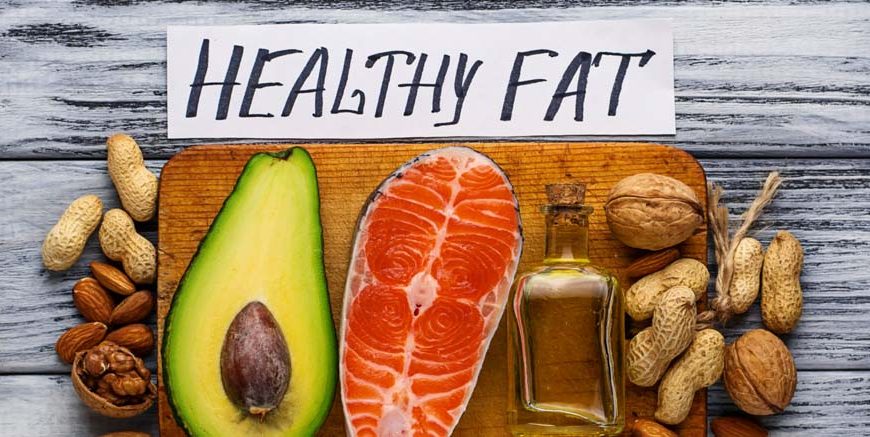
If you want to pack the perfect lunchbox, you should have a reliable fat food list to choose from. Some of the best sources are actually quite tasty. Avocados are a top choice because they are creamy and full of heart-healthy fats. Nuts like walnuts and almonds are like little “brain pills” because they have special fats called Omega-3s that help you focus in class. Seeds, such as sunflower or chia seeds, are also fantastic. You can even find great fats in oily fish like salmon or mackerel. By picking items from this list, you ensure your body stays strong and your mind stays ready for any challenge your teacher throws at you.
Discovering the Best Sources of Fats in Nature
Nature is very clever at hiding the best sources of fats inside whole foods. Think about a coconut or an olive; these plants take energy from the sun and turn it into rich oils that help us stay healthy. Eggs are another incredible source. The yellow part in the middle, the yolk, is where almost all the healthy fats and vitamins live. Even dairy products like full-fat Greek yoghurt or cheese are natural sources that provide calcium for your bones along with the fat your brain needs. When you eat these natural foods, you are avoiding the “hidden” bad fats that factories put into processed snacks.
Read More – Healthy Fats for Little Ones
Practical Examples of Fatty Foods for Active Kids
For students who are always on the move, you need examples of fatty foods that are easy to eat between classes or during football practice. A handful of walnuts or a piece of cheese is a perfect snack because it fills you up much better than a bag of crisps. Nut butters, like peanut or almond butter on a slice of wholemeal toast, provide a great mix of energy and strength. Another brilliant snack is hummus, which is made from chickpeas and healthy oils. These choices prove that eating the right kind of fat is simple and delicious, helping you stay active without feeling hungry again ten minutes later.
Essential Tasks: Name Two Foods Each Rich in Fats
A great way to test your knowledge is to try and name two foods each rich in fats from different groups. For example, if you look at plants, you could name avocados and walnuts. If you look at the sea, you could name salmon and sardines. Being able to identify these pairs helps you balance your plate. If your dinner has a lot of protein but not much fat, you might add a slice of avocado or a spoonful of seeds to make it a “super-meal.” Learning to spot these fats makes you the boss of your own health.
Read More – Choosing Nutrient Rich Foods for Kids
Learning with the Heureka Curriculum
At EuroKids, we want you to be a curious explorer of the world, and that includes the food you eat. Our Heureka Curriculum encourages you to use “Visible Thinking” to observe how different foods make you feel and why your body needs them to grow. By understanding the science of fats through our fun lessons, you become a smarter, healthier student who knows exactly how to fuel your big adventures.
Conclusion
Understanding fats is like having a secret map to a healthier, happier you. When you choose the best sources of fats, you are giving your brain and body exactly what they need to succeed. Whether you are studying for a test or playing outside with friends, the right fuel makes all the difference. We invite you to explore more fun health tips in our EuroKids Blog section. If you want your kids to attend a school that makes learning about the world exciting, look into EuroKids Preschool Admission today.
Frequently Asked Questions
Will eating fat make me slow?
Actually, the right fats give you slow-release energy that keeps you going for longer. It is the sugary “junk” foods that make you feel fast for a minute and then very tired later.
What are the best fatty foods for a school lunch?
Great options include hard-boiled eggs, nuts (if your school allows them), cheese cubes, or a tuna sandwich. These help you stay full until the end of the day.
Why does my brain need fat?
Your brain uses fat to build a protective coating around your nerves. This helps messages travel through your brain faster, making you a quicker thinker.
How do EuroKids teach us about food?
Through the Heureka Curriculum, we use games and observations to help you see how healthy foods like fats and vegetables help you grow into a strong and smart person.