You use a computer every day. You switch it on, type a few words, watch videos, attend online classes, or help your child complete homework. Yet, have you ever paused to think about what actually makes the computer work? Many parents and students rely on technology but feel unsure when basic questions arise. One such question sounds simple but carries real importance. What is CPU full form?
When children grow up surrounded by screens, understanding how a computer thinks becomes just as important as learning how to read and write. This blog helps you break that gap. You will understand the meaning, purpose, and importance of the CPU in a way that feels clear, practical, and easy to explain to your child. By the end, you will not only know the CPU full form, but you will also know why learning it early builds confident thinkers and curious learners.
CPU Full Form Explained Clearly
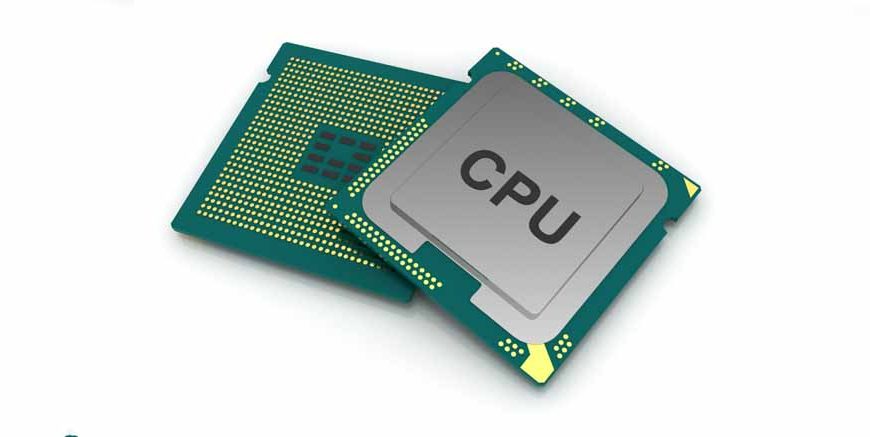
The CPU full form is Central Processing Unit.
This definition may look technical at first, but it becomes simple when you understand each word. The word “central” means it stays at the centre of all activities. “Processing” means thinking, calculating, and deciding. A “unit” refers to a complete working part. When you put these words together, the CPU becomes the central place where all thinking happens inside a computer.
Just like your brain decides when to walk, write, or speak, the CPU decides how the computer responds to every instruction. Every click of a mouse and every letter typed on a keyboard reaches the CPU first. This explanation helps children connect computers to real-life thinking, which makes learning feel natural instead of forced.
Read More – Effects of computer use on the preschool child
CPU Full Form in Computer and Why It Matters
When you talk about CPU full form in computer, you describe the role the CPU plays inside the system. A computer does not work because of the screen or the keyboard. It works because the CPU understands instructions and tells other parts what to do.
Without the CPU, a computer becomes an empty shell. The screen stays blank, the keyboard does nothing, and no program opens. This idea helps children realise that computers do not think on their own. They follow instructions step by step, and the CPU manages this entire process.
Parents often notice that children use devices confidently but struggle to explain how they work. Learning: “what is the full form of CPU” question builds that missing understanding and encourages logical thinking from an early age.
Read More – Unlocking the World of Computer
CPU Full Form in English and Computer Language
The CPU full form in english is Central Processing Unit, and this term stays the same across schools and countries. Computer science uses English terms so learners across the world can study technology using a common language.
When children learn the full form of CPU in computer language, they also learn how English words connect to real functions. Words like “process,” “control,” and “memory” stop sounding abstract. They start making sense through examples children already understand.
This connection strengthens vocabulary, comprehension, and confidence. It also prepares students for advanced learning in science, mathematics, and technology without pressure.
Read More – What Age is it Appropriate to Introduce a Computer
What Is a CPU and How You See It in Daily Life
You may not see the CPU directly, but you feel its presence every time the computer responds quickly. When a video plays smoothly or a game reacts instantly, the CPU works efficiently.
The CPU receives instructions, understands them, and sends the right signals to other parts. For example, when your child presses a key to type a letter, the CPU decides which letter appears on the screen and where it appears.
Explaining this process helps children understand that computers follow rules. This understanding builds discipline, patience, and problem-solving skills, which matter beyond academics.
A Simple History of the CPU
The history of the CPU shows how far technology has come. Early computers once filled entire rooms and required many people to operate them. These machines performed only basic calculations and consumed enormous amounts of power.
Over time, scientists improved CPU design. Computers became smaller, faster, and more efficient. Today, a single CPU chip performs millions of tasks in seconds. This journey teaches children that learning and innovation grow step by step. Understanding this history also teaches respect for technology and the effort behind everyday tools.
Read More – History of Computers
CPU Parts Name and Their Functions Explained Simply
To understand the CPU better, you need to know the CPU parts name and what each part does. The CPU has three main parts, and each plays a unique role.
The Control Unit guides all actions. It tells other parts when to work and what to do next. The Arithmetic Logic Unit handles calculations and decisions. It solves math problems and compares values. The Memory Unit stores instructions and data temporarily so the CPU can access them quickly.
Each part works together like a team. Children learn that success comes from coordination and clear roles, a lesson that applies both inside and outside the classroom.
How the CPU Works Step by Step
The CPU follows a simple but powerful cycle. First, it receives input. Next, it processes that input. Finally, it produces output. This process repeats constantly. When a child opens an app, the CPU reads the instruction, processes the request, and displays the result. This clear sequence teaches cause and effect, an essential skill in learning and decision-making. Parents can use this explanation to answer everyday “how” questions without confusion.
Why Learning About the CPU Early Matters
When children learn concepts like what is CPU full form, they develop structured thinking. They learn that systems follow logic and rules. This knowledge improves focus, reasoning, and curiosity. Early exposure to computer basics also reduces fear of technology. Children stop seeing devices as magical objects and start understanding them as tools they can control and explore. This mindset builds confidence and prepares children for future learning in coding, robotics, and digital problem-solving.
Learning Computers the Right Way at EuroKids
At EuroKids, early learning focuses on clarity, curiosity, and confidence. Children explore foundational concepts through age-appropriate explanations and hands-on experiences that match their developmental stage.
EuroKids follows the Heureka Curriculum, which supports experiential learning and helps children understand concepts through real-world connections and discovery. This approach ensures that learning remains joyful, meaningful, and effective.
How CPU Knowledge Supports School Readiness
When children understand basics like CPU functions, they approach school subjects with confidence. They ask better questions, understand instructions clearly, and develop patience while solving problems.
Parents notice improved attention span and reasoning ability when learning stays concept-based rather than memorised. This readiness supports smoother transitions into formal schooling and beyond.
Read More – Mystery of Basic Computer Skills
Conclusion
Understanding CPU full form goes beyond memorising definitions. It builds curiosity, logic, and confidence. When children understand how technology works, they stop using devices blindly and start learning consciously.
EuroKids supports this foundation through structured early learning that respects how children think and grow. Parents looking to nurture confident learners can explore EuroKids Preschol Admission and discover an environment where curiosity meets clarity. You can also explore the EuroKids Blog for more thoughtfully written resources that support your child’s early learning journey.
Frequently Asked Questions
What is the CPU full form in simple words?
The CPU full form is Central Processing Unit. It works like the brain of the computer and controls all actions.
Why is the CPU important for a computer?
The CPU processes instructions and tells other parts what to do. Without it, the computer cannot function.
What are the main CPU parts’ names?
The main parts include the Control Unit, Arithmetic Logic Unit, and Memory Unit.
At what age should children learn computer basics?
Children can start learning simple computer concepts during early childhood through guided explanations.
How does EuroKids help children understand technology?
EuroKids uses age-appropriate methods and experiential learning to introduce foundational concepts clearly.